Error Codes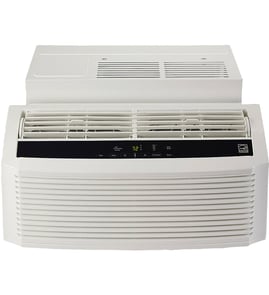



Does the mini air conditioner really work?
A “mini air conditioner” can work, but what it does depends on the type. For real cooling like your GE AEC12AYL1 room air conditioner, the unit must remove heat and reject it outside; many “mini AC” gadgets are evaporative coolers or personal fans that only provide mild comfort cooling.
Most products marketed as mini ACs fall into one of these categories:
- Evaporative cooler: Uses water to cool air; works best in dry climates and small areas.
- Personal fan with mist: Feels cooler on skin but does not lower room temperature much.
- Portable air conditioner: True refrigeration; must vent hot air out a window.
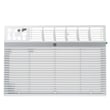
- Window room air conditioner: True refrigeration; installed in a window (like AEC12AYL1).
| Type | Needs venting outside? | Best use case | What to expect |
|---|---|---|---|
| Evaporative “mini AC” | No | Dry climates, spot cooling | Mild cooling, adds humidity |
| Portable AC (single-hose) | Yes | Temporary room cooling | Cools, but less efficient |
| Portable AC (dual-hose) | Yes | Better room cooling | Stronger, more efficient cooling |
| Window AC (like GE AEC12AYL1) | Built-in (window install) | Reliable room cooling | True temperature drop |
Use these checks before buying or troubleshooting:
- Look for a BTU rating (true air conditioners list BTUs; fans and many evaporative units do not).
- Confirm exhaust venting (portable ACs need a hose to a window to dump heat).
- Match capacity to room size (undersized units run constantly and still feel warm).
- Control humidity (high humidity makes any cooling feel weaker).
- Maintain airflow (dirty filters and blocked vents reduce cooling fast).
A window AC that “runs but doesn’t cool” is often dealing with restricted airflow or installation gaps.
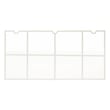
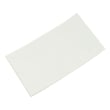
- Clean or replace the air filter (use the filter WJ85X23452).
- Make sure the front grille and coil area are not blocked by dust.
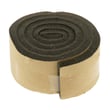
- Seal air leaks around the unit (side curtains and foam seals matter).
- Verify the temperature setting and mode (Cool vs Fan).
True air conditioning removes heat from the room and rejects it outdoors. If a product cannot exhaust heat outside, it cannot deliver the same room temperature drop you get from a properly installed window air conditioner.
Last updated: January 2026
How much should I pay for a window AC unit?
For a window air conditioner like the GE AEC12AYL1, most shoppers pay about $150 to $800 depending on BTU capacity, efficiency, and features; basic units cost less, while larger or smart models cost more. Professional installation commonly adds about $100 to $200.
- Cooling capacity (BTUs): higher BTU units typically cost more
- Efficiency: ENERGY STAR and higher EER/CEER models usually cost more up front
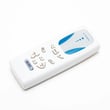
- Features: Wi-Fi, inverter compressors, dehumidify modes, and better remotes add cost
- Noise level: quieter designs often cost more
- Fit and install kit needs: some windows require extra panels, foam, or sealing materials
| What you’re buying | Common price range | Best for |
|---|---|---|
| Basic mechanical controls | $150 to $300 | Small rooms, simple operation |
| Mid-range electronic controls | $250 to $600 | Most bedrooms and living spaces |
| Premium, quiet, smart, or inverter | $500 to $1,000+ | Larger rooms, low noise, app control |
- Size the unit to the room; oversizing can cause short cycling and poor humidity control
- Budget for sealing; air leaks waste cooling and raise energy costs
- Plan for maintenance; a clogged filter reduces airflow and cooling
- Compare total cost, not just the sticker price (energy use plus install materials)
If your existing unit is running but not cooling well, a simple maintenance item can make a big difference:
- Air filter: clean regularly; replace if damaged or won’t come clean (see filter WJ85X23452)
Paying the right amount is really about matching BTU capacity and efficiency to your space. A correctly sized, well-sealed window AC cools faster, controls humidity better, and costs less to run over the season.
Last updated: January 2026
Is 1 ton AC sufficient for a 12 * 12 room?
Yes. For a 12 ft x 12 ft room (about 144 sq ft), a 1-ton room air conditioner is typically sufficient, including GE model AEC12AYL1, as long as the room has average sun exposure, normal ceiling height, and standard insulation.
A simple rule of thumb for room air conditioners is about 20 BTU per square foot.
- Room size: 144 sq ft
- Typical need: 144 x 20 = 2,880 BTU/hr
- Real-world adjustments (sun, people, electronics) often push the target higher
| Room condition | Typical impact on sizing | What to do |
|---|---|---|
| Strong afternoon sun | Increase capacity | Consider stepping up if the room bakes |
| Poor insulation or air leaks | Increase capacity | Seal gaps, add weatherstripping |
| 2+ people often in room | Increase capacity | Add a little extra capacity |
| Normal conditions | Standard sizing works | 1 ton is usually a good fit |
Even with the right tonnage, performance drops if airflow or installation is off. Check these common issues first:
- Dirty or clogged air filter (clean or replace the filter WJ85X23452)
- Blocked front grille or return air path (furniture, curtains, dust)
- Warm air leaking around the window kit (inspect foam and seals)
- Outdoor side restricted (unit too close to a wall or enclosed space)
- Thermostat set too high or unit in Energy Saver mode when you want steady cooling
Right-sizing helps your GE room air conditioner cool evenly, control humidity, and avoid short cycling. Oversizing can reduce dehumidification; undersizing can run constantly and still feel warm.
If your unit runs but does not cool, ices up, or shows a code, use our GE error codes guide to narrow down the cause before replacing parts.
Last updated: January 2026