Error Codes

How much does a new 80 gallon water heater cost?
A new 80-gallon electric tank water heater like the Ao Smith ECT80 typically costs about $1,500 to $2,000 for the unit, and about $2,000 to $3,500 installed in many homes (heater plus labor and common materials). Costs rise when electrical or plumbing upgrades are needed.
These ranges fit most standard replacements; complex installs can run higher.
- Water heater unit price (tank only)
- Labor for removal and installation
- Basic materials (connectors, fittings, valve)
- Permit and inspection (where required)
- Optional upgrades (electrical, piping, expansion tank)
| Cost item | Typical range | What drives it |
|---|---|---|
| Water heater unit | $1,500 to $2,000 | Warranty length, efficiency, local availability |
| Installation labor + basic materials | $500 to $1,500 | Access, time on site, disposal |
| Permits/inspection | $0 to $300 | Local requirements |
| Electrical or plumbing upgrades | $0 to $1,000+ | Circuit, wiring, shutoff valve, code updates |
| Total installed (common range) | $2,000 to $3,500 | Most standard replacements |
- Electrical readiness: correct voltage, breaker size, and wiring condition
- Location and access: tight closets, stairs, or attic installs increase labor
- Plumbing condition: old shutoff valves, corroded nipples, or rigid piping
- Code items: expansion tank, drain pan, seismic straps (region-dependent)
- Disposal: hauling away the old tank
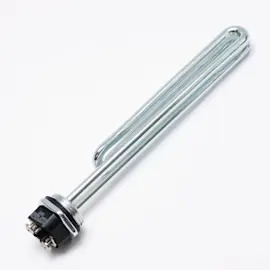
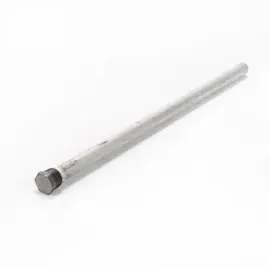
If the tank is not leaking, replacing common service parts can restore hot water for far less than a full replacement. For this model, examples include the element 100108290 and the anode rod 100109594.
An 80-gallon electric water heater is a higher-capacity system; budgeting for installation details (access, permits, and upgrades) prevents surprises and helps you compare quotes accurately.
Last updated: February 2026
How to reset a Smith water heater?
To reset an Ao Smith ECT80 electric water heater, we shut off power at the breaker, press the red high-limit reset button (usually behind an access panel), then restore power and confirm the tank reheats normally. If it trips again, a thermostat or heating element problem is likely.
- Turn OFF the water heater circuit breaker and verify power is off.
- Let hot water cool if the heater has been overheating.
- Keep the area dry; never work with wet hands.
- Reinstall insulation and covers before turning power back on.
- If wiring looks damaged or overheated, stop and schedule service.
- Turn OFF the breaker for the water heater.
- Remove the upper access cover (and insulation) to reach the upper thermostat area.
- Press the red reset button on the high-limit switch until it clicks.
- Reinstall insulation and the access cover.
- Turn the breaker ON.
- Run hot water for a few minutes and confirm the heater recovers.
A repeated trip means the water is overheating or a control is failing. These are the most common causes:
- Upper or lower thermostat stuck closed or out of calibration
- Loose wire connection creating heat at a terminal
- Shorted or grounded heating element
- Thermostat not seated tightly against the tank
| What you notice | Most common cause | What we check next |
|---|---|---|
| No hot water after reset | Failed thermostat or element | Voltage and continuity tests |
| Water gets scalding hot | Thermostat stuck closed | Replace thermostat |
| Breaker trips | Element short to ground | Test element, replace if failed |
If testing points to a failed control or heater, these model-matched parts are common fixes:
- Thermostat 100110039 (temperature control)
- Element 100108283 (heats the water)
The reset button is a safety cutoff. If it trips, the heater detected unsafe temperature conditions; resetting without fixing the cause can lead to repeated shutdowns, inconsistent hot water, and damaged wiring or controls.
Last updated: February 2026
Is it cheaper to repair or replace a water heater?
Repair is cheaper for an Ao Smith ECT80 water heater when the problem is limited to service parts (like a thermostat or heating element) and the tank is sound. Replace the heater when the tank leaks or the unit is around 10 years old or more, because major failures and efficiency losses make replacement the better value.
- Repair when there’s no tank leak and symptoms point to a control or heating issue.
- Replace when you see water leaking from the tank body (not just a fitting).
- Repair when the heater still delivers some hot water but struggles to keep up.
- Replace when you’ve had repeated breakdowns in a short time.
- Repair when the fix is a common wear item like an element 100108283 or a thermostat 100110039.
- Replace when hot water is rusty or has a strong metallic odor and maintenance has been neglected.
A simple rule that works well for most electric water heaters:
| Situation | Usually best choice | Why |
|---|---|---|
| No tank leak; one failed part | Repair | Lowest cost, fastest restore |
| Tank is leaking | Replace | Tank failures are not a parts repair |
| Heater is 10+ years old and needs multiple parts | Replace | Costs add up; reliability drops |
| Under 10 years old; single symptom | Repair | Good remaining service life |
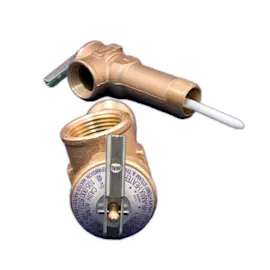
- Confirm the leak source: fittings, T&P valve, or drain valve leaks are different from a tank seam leak.
- Check power and controls: tripped breaker, loose wiring, or a failed thermostat can mimic “dead heater.”
- Look for element symptoms: slow recovery, lukewarm water, or only short bursts of hot water.
- Inspect maintenance items: a worn anode rod can accelerate corrosion and shorten heater life.
Choosing repair vs. replacement comes down to tank condition and total cost of ownership. Replacing a thermostat, element, or anode rod can restore performance quickly; replacing a leaking tank avoids ongoing water damage risk and repeated service calls.
Last updated: February 2026
What is the life expectancy of an A. O. Smith electric water heater?
Most A. O. Smith electric water heaters, including model ECT80, typically last 8 to 12 years. Water quality, installation, and maintenance (especially checking the anode rod and heating elements) are the biggest factors that push lifespan toward the high or low end.
A water heater’s tank and internal components wear based on heat cycles and corrosion. These are the most common lifespan drivers:
- Water hardness and sediment: heavy mineral buildup makes elements run hotter and fail sooner
- Anode rod condition: a depleted rod speeds up tank corrosion
- Thermostat accuracy: overheating increases stress on the tank and elements
- Leak history: once the tank itself leaks, replacement is usually the practical fix
- Maintenance frequency: periodic draining and inspections slow down wear
These steps are the best return on effort for an electric water heater:
- Test hot water temperature and keep it at a safe, consistent setting
- Flush a few gallons from the drain valve periodically to reduce sediment
- Inspect and replace the anode rod when it is heavily worn (common around 3 to 5 years in tough water)
- Check element performance if recovery is slow or breakers trip
- Look for early leak signs around fittings and the access panels
| Symptom | Often involved part | Example for ECT80 |
|---|---|---|
| Slow recovery, lukewarm water | Heating element | Element 100108283 |
| Rumbling or popping sounds | Sediment buildup (maintenance) | Drain and flush (no part required) |
| Hot water runs out quickly | Dip tube or element | Dip tube 100108609 |
| Water too hot or inconsistent | Thermostat | Thermostat 100110039 |
| Premature tank corrosion risk | Anode rod | Anode rod 100109594 |
Knowing the expected 8 to 12 year service life helps you decide whether to invest in parts like a thermostat or element versus planning a replacement, especially if the unit is already near the end of its typical lifespan.
Last updated: February 2026
Why no more 80 gallon water heaters?
Most manufacturers moved away from standard 80-gallon electric tank water heaters because newer energy-efficiency requirements pushed designs toward thicker insulation and higher-efficiency technologies, which often makes a traditional 80-gallon tank larger, heavier, and harder to fit in common installation spaces. For an Ao Smith ECT80, that is why you now see more 50 to 55 gallon tanks, or hybrid (heat pump) models, offered instead.
Energy rules and buyer demand shifted the “best fit” options away from a basic 80-gallon electric tank.
- More insulation is needed to reduce standby heat loss.
- Larger insulation packages increase overall diameter and height.
- Many homes have tight water heater closets, low ceilings, or narrow doorways.
- Manufacturers often prioritize 50 to 55 gallon tanks with faster recovery (higher watt elements) to meet typical household demand.
- Hybrid (heat pump) water heaters deliver large-capacity performance with much lower operating cost, but they need more clearance and sometimes different electrical planning.
If you are shopping because you run out of hot water, capacity is only one part of the solution.
| Need | Common solution today | What to watch for |
|---|---|---|
| More stored hot water | Hybrid 80-gallon | Taller unit, airflow clearance, condensate drain |
| Faster hot water recovery | Higher-wattage electric tank (often 50 to 55 gallon) | Circuit size, wiring, element compatibility |
| More hot water without a bigger tank | Raise setpoint slightly and use a mixing valve | Scald risk; mixing valve recommended |
If your ECT80 is underperforming, it is often a repairable issue rather than a “tank too small” problem. Before replacing the whole unit, we check the common wear items:
- Heating element condition (open, grounded, or scaled up)
- Thermostat accuracy and contact operation
- Dip tube condition (broken dip tubes reduce usable hot water)
- Anode rod condition (protects the tank from corrosion)
Model-matched examples include the element 100108290, thermostat 100110039, and dip tube 100108609.
Choosing by gallons alone can lead to a unit that does not fit the space or does not deliver the recovery you expect. Matching capacity, recovery rate, and installation constraints usually solves “not enough hot water” with fewer surprises.
Last updated: February 2026