
Do you have to thin paint for a Wagner sprayer?
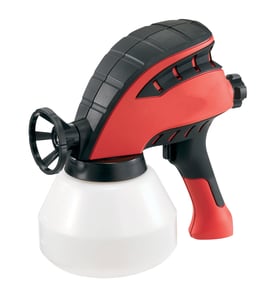
Yes, you often need to thin paint for a Wagner 235 power painter when spraying thicker coatings (especially many interior latex paints) so the material atomizes evenly and the sprayer does not spit, surge, or clog. We start by testing unthinned paint first, then thin in small steps only if the spray pattern is poor.
Quick rule of thumb for thinning
Use the smallest amount of thinning needed to get a steady, even fan and a fine mist.
- Test spray first on cardboard or scrap material.
- If you see spitting, pulsing, or heavy orange peel, thin a little and test again.
- Strain the paint before it goes into the cup to remove skins and debris.
- Keep the sprayer moving; lingering in one spot causes runs even with properly thinned paint.
- If you must thin a lot to get it to spray, switch to a smaller tip/nozzle setting (if equipped) or use a coating designed for spraying.
How much to thin (typical starting points)
These ranges work for many handheld and cup-style Wagner sprayers; always follow the coating label first.
| Coating type | Typical starting point | Notes |
|---|---|---|
| Water-based latex wall paint | 5% to 10% water | Add in small increments; too much water reduces hide and can cause runs. |
| Water-based enamel/trim paint | 0% to 5% water | Many trim paints spray better with minimal thinning plus straining. |
| Oil-based paint | Use the label-recommended thinner | Use the correct solvent for the coating; do not use water. |
| Primer | 0% to 10% (per label) | Some primers are already sprayable; strain either way. |
Step-by-step: a safe way to thin and test
- Stir paint thoroughly (bottom of the can matters).
- Strain into a clean container.
- Add thinner in small measured amounts (for example, a few ounces per quart), mix well.
- Test spray and adjust until the pattern is even and the sprayer sounds steady.
- Record your final mix ratio so you can repeat it for the next refill.
Why it matters
Correct viscosity helps your Wagner 235 power painter atomize paint properly; that means fewer clogs, less overspray waste, and a smoother finish with fewer runs and dry spray.
For general DIY safety and prep practices before repairs or electrical checks, see are diy appliance repairs safe.
Last updated: February 2026
Can you leave paint in a Wagner sprayer overnight?
Yes, you can leave paint in a Wagner power painter overnight, but only if you keep the paint from drying in the pickup tube, hose, and spray tip. For best results on a Wagner 235, seal the paint container tightly and keep the fluid path wet so you do not start the next day with clogs.
Best practice for overnight storage (water-based paint)
- Relieve pressure and lock the trigger (if your sprayer has these features).
- Wipe paint off the gun, tip, and outside of the pickup tube.
- Seal the paint container with a tight lid or plastic wrap taped around the rim.
- Put the pickup tube back into the paint and keep the end submerged.
- Wrap the gun and spray tip in a damp rag, then seal it in a plastic bag.
- Store the sprayer where it will not freeze or sit in direct heat.
If you are using oil-based paint or stain
Oil-based coatings skin over and cure differently, so we treat them more cautiously.
| Coating type | Overnight storage | What we recommend |
|---|---|---|
| Water-based latex | Usually OK | Seal container and keep tip wet |
| Oil-based enamel/stain | Riskier | Short storage only; flush sooner |
| Fast-drying coatings | Not recommended | Clean immediately after use |
Quick “next day” restart checklist
- Stir the paint and strain it if it sat overnight.
- Test spray on cardboard; watch for spitting or a distorted fan pattern.
- If spray is weak, clean the tip/nozzle first, then check the pickup screen (if equipped).
- If the motor runs but paint will not prime, look for dried paint in the pickup tube or inlet.
Why it matters
Dried paint inside the fluid path is the #1 cause of poor spray pattern, surging, and “won’t spray” complaints. A few minutes of sealing and keeping the tip wet prevents clogs and reduces wear on the pump and motor.
For general DIY safety and prep habits that apply to powered tools like sprayers, see are diy appliance repairs safe.
Last updated: February 2026
How to use the Wagner paint sprayer?
To use a Wagner 235 power painter, we keep the sprayer square to the surface, move at a steady pace, and overlap each pass about 30% for even coverage. Start with edges and corners first, then fill in larger areas with full, consistent passes.
Quick setup and spray technique
- Strain paint and thin only if your coating requires it (thick paint causes spitting and poor atomization).
- Test spray on cardboard; adjust flow and pattern before spraying the project.
- Hold the gun about 6 to 12 inches from the surface and keep it perpendicular.
- Start moving the gun first, then pull the trigger; release the trigger before you stop moving.
- Overlap each pass about 30% and keep your speed consistent.
Best order of operations (walls and large surfaces)
- Mask and cover floors, trim, and fixtures.
- Spray corners and cut-in areas first.
- Spray the main field using full horizontal passes (or vertical passes if that lays flatter).
- Apply a second light coat after the first coat flashes off (follow the coating label).
Common problems and fast fixes
| Symptom | Most common cause | What we do |
|---|---|---|
| Spitting or sputtering | Paint too thick, clogged pickup/nozzle | Strain paint; clean nozzle and pickup; verify steady feed |
| Runs and sags | Moving too slowly, holding too close | Back up; speed up; apply lighter coats |
| Dry spray/rough finish | Holding too far away, spraying in heat/wind | Move closer; reduce overspray; work in calmer conditions |
| Uneven coverage | Not overlapping, inconsistent speed | Use 30% overlap; keep a steady pace |
Cleaning after spraying (most important step)
- Empty the cup/container and wipe out residue.
- Flush with the correct cleaner (water for latex; mineral spirits for many oil-based coatings).
- Spray cleaner through the gun until it runs clear.
- Remove and clean the nozzle and any filters; let parts dry fully before reassembly.
Why it matters
Correct distance, overlap, and trigger timing prevent lap marks, runs, and heavy overspray; thorough cleaning prevents clogs that can make a Wagner power painter spray poorly on the next job.
For general DIY safety practices before working on powered equipment, we recommend reviewing are diy appliance repairs safe.
Last updated: February 2026
How to clean Wagner paint sprayer oil based?
For the Wagner 235 power painter, clean up oil-based paint by flushing the system with mineral spirits (or the coating manufacturer’s recommended solvent) until it sprays clear, then disassemble and scrub the nozzle and pickup parts. Finish with a short solvent-only flush and dry the sprayer; do not finish with water.
Step-by-step: oil-based cleanup
- Unplug the sprayer and let it cool completely.
- Empty the paint container; wipe out as much paint as possible.
- Add clean mineral spirits to the container.
- Spray into a waste container until the solvent runs clear.
- Remove and clean the front-end parts (nozzle/spray tip, guard, pickup tube, pickup screen, and any filter).
- Reassemble and do a final brief mineral-spirits flush.
- Wipe the exterior, then let parts air-dry before storage.
What to use (and what to avoid)
- Mineral spirits or paint thinner: primary flush for oil-based coatings
- Soft bristle brush: cleans threads, crevices, and screens without damage
- Lint-free rags: wipe the container, gun body, and seals
- Small container for soaking: helps loosen dried residue on removable parts
- Avoid water as a final rinse: it leaves moisture inside and can cause corrosion
Quick reference table
| Coating type | Primary flush | Final flush | Notes |
|---|---|---|---|
| Oil-based paint, stain, enamel | Mineral spirits/paint thinner | Mineral spirits/paint thinner | Dry thoroughly before storage |
| Water-based latex | Warm, soapy water | Clean water | Dry thoroughly before storage |
Why it matters
Oil-based coatings cure hard and quickly inside passages. A complete solvent flush plus cleaning the nozzle, pickup tube, and screens prevents clogs, spitting, and poor atomization on the next job.
Helpful related DIY reading
Last updated: February 2026