



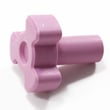

Do all GE microwaves have the same mounting bracket?
No. GE microwave mounting brackets are model-specific, so you should not assume a bracket from another GE microwave will fit your GE CSB923P2N1S1 built-in microwave. For safe, secure mounting, match the bracket and hardware to the exact model and installation style.
Built-in, over-the-range (OTR), and countertop microwaves mount differently. Even within GE, bracket hole patterns, latch alignment, and cabinet cutout requirements vary by model.
Common differences include:
- Bracket hole spacing and screw locations
- Cabinet cutout dimensions and trim kit requirements (built-in units)
- Exhaust duct adapter and venting orientation (OTR units)
- Door swing clearance and chassis support points
Use your model number (CSB923P2N1S1) to match the correct mounting parts and avoid reusing old hardware that may not align.
Checklist:
- Verify the full model number from the rating label
- Compare the bracket shape and hole pattern to the original
- Replace stripped or mismatched screws and bolts
- Confirm the unit sits level and the door closes without rubbing
- If the door does not close cleanly, inspect the latch and interlock alignment
If the microwave is slightly twisted or the door is misaligned, it can prevent the door from closing fully and may keep the unit from running.
| Symptom | What to check | Example part for this model |
|---|---|---|
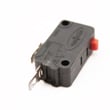
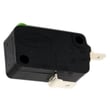
| Microwave will not start | Door not fully closing, interlock not engaging | Microwave primary interlock switch WB24X10047 |
| Intermittent operation | Loose bracket, door alignment shifting | Microwave door interlock switch WB24X25397 |
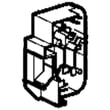
| Door feels “off” or doesn’t latch smoothly | Latch board or latch body alignment | Latch board rh WB10X32577 |
A correct bracket fit keeps the chassis supported and the door aligned so the interlock switches engage properly. That protects key components (like the control board and door switches) and prevents nuisance no-start problems.
Last updated: February 2026
Is it worth repairing a GE microwave?
Yes, repairing a GE microwave is often worth it when the problem is a common, contained failure (door switch, turntable drive, lamp) and the oven cavity and door are in good shape; for the GE CSB923P2N1S1 built-in microwave, we focus on safe, high-value fixes and recommend professional service for any high-voltage heating issue.
These are the situations where repair is typically the better value than replacement:
- The microwave runs but will not start because the door is not “seen” as closed (interlock issue)
- The turntable stops rotating but the unit otherwise heats and operates normally
- The interior light is out
- The waveguide cover is burned, cracked, or missing (to prevent arcing and protect the waveguide)
- The door latches feel loose but the door and hinges are not bent
| Symptom | Likely part to check | Example part for this model |
|---|---|---|
| Won’t start, intermittent start, door error behavior | Door interlock switch | Microwave door interlock switch WB24X25397 |
| Turntable not turning | Turntable motor | Microwave turntable motor assembly WB26X32994 |
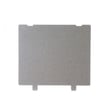
| Sparking near the side wall, cover looks damaged | Waveguide cover | Microwave waveguide cover WB06X10828 |
Microwaves contain high-voltage components that can store a dangerous charge even when unplugged. For these conditions, we treat it as a professional repair decision:
- No heat (but it runs), burning smell, loud hum, or repeated blowing of a fuse/breaker
- Visible damage to the door, hinges, or oven cavity (rust-through, severe dents)
- Multiple symptoms at once (for example: no heat plus dead display)
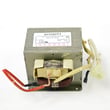
High-voltage heating problems often involve components like the transformer; for this model that can include the microwave high-voltage transformer WB17X10030.
Use this simple checklist to decide if repair is worth it:
- Age: Built-in microwaves typically last 9 to 10 years.
- Symptom type: Mechanical or door-switch issues are usually cost-effective.
- Parts cost vs. replacement: If parts plus labor approach half the cost of a comparable built-in unit, replacement is usually the better value.
- Safety: If the repair requires opening the high-voltage section, schedule service.
A built-in microwave like the GE CSB923P2N1S1 is expensive to replace and can involve cabinet fit and trim considerations. Targeting common wear parts (interlock switch, waveguide cover, turntable motor) restores safe operation without over-investing.
Last updated: February 2026
What usually breaks in a microwave?
In a GE built-in microwave like model CSB923P2N1S1, the most common failures involve the door safety interlock system, turntable drive parts, and high-voltage heating components. Symptoms often show up as “won’t start,” “runs but doesn’t heat,” or “stops when the door moves.”
- Door interlock switches: unit will not run, or runs intermittently when the door is jiggled (see microwave primary interlock switch WB24X10047 and microwave door interlock switch WB24X25397).
- Latch/door alignment parts: door won’t close firmly, or you have to push the door to start (latch boards and latch body assemblies are common culprits).
- Turntable drive: tray does not rotate, makes grinding noises, or rotates inconsistently.
- Waveguide cover damage: arcing, burning smell, or visible scorching inside the cavity (often after food splatter).
- Control board issues: dead display, random beeping, or buttons not responding.
| Symptom | Common cause | What we recommend first |
|---|---|---|
| Won’t start, light works | Door interlock switch or latch issue | Inspect door closure and switch mounting |
| Runs but doesn’t heat | High-voltage component problem | Have a technician diagnose HV circuit |
| Turntable not turning | Turntable motor/shaft/support | Check for binding, then test motor |
| Sparking inside | Waveguide cover or heavy splatter | Clean cavity; replace cover if damaged |
- Unplug the microwave and wait a few minutes.
- Check that the door closes squarely and the latch hooks are not loose.
- Clean the cavity and inspect the waveguide cover for burns or holes.
- Remove the turntable and roller/support; clean and confirm nothing is binding.
- If you’re comfortable testing basic electrical parts, use a meter for simple checks (see how to use a multimeter to test electrical parts video).
Microwaves rely on door interlocks to prevent operation with the door open, and the high-voltage section can store dangerous energy even when unplugged. Correct diagnosis prevents repeat failures and avoids replacing the wrong GE parts.
Last updated: February 2026
What's the average lifespan of a GE microwave?
A GE microwave lasts 9 years on average. For your GE built-in microwave CSB923P2N1S1, lifespan is driven by daily run time, how often the door is opened and closed, and keeping the cavity and airflow paths clean.
Most built-in microwaves land in a predictable range based on use.
| Usage pattern | Typical lifespan | Common early symptoms |
|---|---|---|
| Light (reheat only) | 10 to 12 years | Lamp or turntable issues |
| Average (daily cooking) | 8 to 10 years | Noisy fan, weaker heating |
| Heavy (multiple long cycles/day) | 6 to 8 years | Door switch faults, heating failures |
When a microwave won’t start or won’t heat, these are frequent failure points:
- Door interlock switches and latch alignment (won’t start)
- High-voltage components (runs but doesn’t heat)
- Control board or power supply issues (dead display, random shutdowns)
- Turntable drive parts (tray stops turning)
- Waveguide cover damage (arcing or burning smell)
If the unit won’t start when the door closes, the door interlock system is a common first check; the microwave primary interlock switch WB24X10047 is one of the key safety switches used on this model.
These habits reduce stress on the door switches, control board, and heating system:
- Close the door firmly but gently (avoid slamming)
- Wipe the cavity and door seals regularly to prevent grease buildup
- Never run the microwave empty
- Use microwave-safe cookware to prevent arcing
- Address sparking quickly; replace damaged covers or supports as needed
Microwave lifespan is most often limited by door interlock wear and heating-system stress. Preventing door slams, keeping the cavity clean, and fixing arcing early helps avoid expensive failures and keeps performance consistent.
Last updated: February 2026


