Owner’s manual
 View engine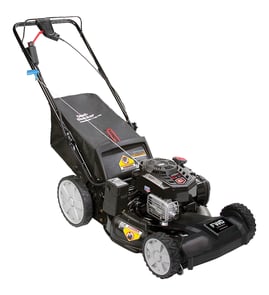



What type of gas do you put in a push lawn mower?
For the Husqvarna L321AH-96794980100 gas lawn mower, use unleaded regular gasoline only. This model’s specifications call out “Unleaded Regular Only” (about 1.1 quarts / 1.04 liters capacity). For exact fuel-handling steps, follow the L321AH-96794980100 owner's manual.
- Use fresh unleaded regular gasoline.
- Avoid stale fuel; most mower fuel should be used within about 30 days for best starting and performance.
- Avoid mixing oil into the gas (this is a 4-stroke mower; oil goes in the crankcase, not the fuel tank).
- Avoid spilling fuel on the mower; wipe it off and let vapors dissipate before starting.
- Avoid overfilling; leave a little expansion space in the tank.
- Shut the engine off and let hot parts cool.
- Clean around the fuel cap so debris does not fall into the tank.
- Open the cap slowly to release pressure.
- Fill with unleaded regular gasoline; tighten the cap securely.
- If fuel spills, clean it up and allow fumes to evaporate before starting.
| Item | Spec / tip |
|---|---|
| Fuel type | Unleaded regular gasoline |
| Fuel capacity | About 1.1 quarts (1.04 L) |
| Freshness | Use within ~30 days |
| If you smell fuel | Check cap and fuel lines for leaks |
Using the correct fuel helps your mower start easier, run smoother, and reduces carburetor and fuel-system problems that often show up after storage.
Last updated: January 2026
What's the average lifespan of a lawn mower?
Most gas walk-behind mowers like the Husqvarna L321AH-96794980100 last 8 to 15 years with normal homeowner use; 10+ years is common when you follow the maintenance schedule in the L321AH-96794980100 owner's manual and keep the deck, blade, and engine serviced.
- Maintenance frequency: oil checks/changes, air filter cleaning, spark plug replacement
- Cleaning habits: keeping the deck and drive area free of packed grass
- Blade condition: a bent or cracked blade increases vibration and wear
- Storage: dry storage and proper fuel handling before storage
- Usage load: mowing steep slopes, heavy weeds, or very large yards shortens life
The manual’s maintenance schedule calls out routine items like tightening fasteners, cleaning, oil checks, and periodic engine service.
| Interval | What to do | Why it helps lifespan |
|---|---|---|
| Before each use | Check engine oil level; quick visual inspection | Prevents low-oil engine damage |
| After each use | Clean the mower; clear grass buildup | Reduces corrosion and overheating |
| Every season | Sharpen/replace blade; inspect drive system | Lowers vibration and drive wear |
| Before storage | Stabilize or remove fuel; clean thoroughly | Prevents carburetor and fuel issues |
A mower usually “wears out” from neglected oil service, dirty cooling and deck areas, and running with a damaged blade. Staying on schedule reduces expensive engine and drive repairs and keeps cut quality consistent.
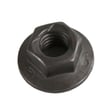
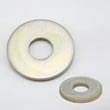
If you notice excessive vibration, inspect the blade and hardware first; replacing worn fasteners such as a lawn mower nut 532409149 can also help keep critical assemblies tight.
Last updated: January 2026
What is the average price of a lawn mower?
Most walk-behind lawn mowers in the same general class as the Husqvarna L321AH-96794980100 average about $265; many gas push mowers sell in the $140 to $570 range. Self-propelled mowers are a separate category and typically cost more.
- Manual push (gas): about $140 to $570
- Self-propelled (gas): about $170 to $2,100
- Riding mowers and zero-turns: typically much higher than walk-behind models
- Battery-electric walk-behind: often overlaps gas pricing, depending on battery size and included charger
| Mower type | Typical buyer | Typical price range |
|---|---|---|
| Manual push (gas) | Smaller to mid-size yards, flatter terrain | $140 to $570 |
| Self-propelled (gas) | Larger yards, hills, less pushing effort | $170 to $2,100 |
| Riding/zero-turn | Large properties, faster mowing | Higher than walk-behind |
- Drive system: push vs. self-propelled is usually the biggest jump
- Deck material and durability: heavier-duty decks cost more
- Cut options: bagging, mulching, and side discharge flexibility
- Wheel and height adjust features: easier adjustments and better traction
- Included accessories: extra blades, mulch plug, or upgraded bagging components
Knowing the category helps you budget correctly. The L321AH-96794980100 is a walk-behind mower; use the L321AH-96794980100 owner's manual to confirm the features your mower has (drive controls, cutting height adjustment, bagging and mulching setup) before comparing prices.
| Ongoing item | What it affects | Typical timing |
|---|---|---|
| Blade service | Cut quality and engine load | As needed, often seasonally |
| Spark plug and air filter | Starting and performance | Commonly yearly |
| Hardware checks | Safety and vibration control | Periodically |
Last updated: January 2026