


What is the average lifespan of a central air conditioning unit?
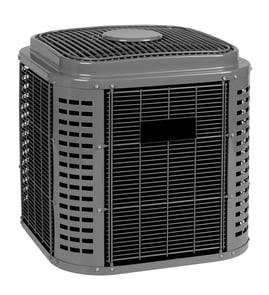
Most central air conditioning units last 15 to 20 years with normal use and consistent maintenance; for a York H2CE120A25A system, keeping airflow clean and electrical components in good shape is what most directly protects that lifespan.
Typical lifespan ranges (what to expect)
- 15 to 20 years: common for many modern central AC systems
- 10 to 12 years: common when maintenance is neglected or the system runs under heavy strain
- Shorter lifespan is most often tied to poor airflow, dirty coils, low refrigerant from leaks, or repeated electrical failures
| Situation | What it usually does to lifespan | What to do |
|---|---|---|
| Regular filter changes and coil cleaning | Extends lifespan | Keep airflow unrestricted and coils clean |
| Undersized or oversized system | Shortens lifespan | Correct sizing and duct airflow checks |
| Frequent hard starts or buzzing at the outdoor unit | Shortens lifespan | Inspect capacitor/contactor and wiring |
| Coastal or corrosive environment | Shortens lifespan | Rinse coil, protect cabinet, reduce corrosion |
What most affects lifespan on a central air conditioner
- Airflow: clogged filter, blocked returns, or dirty evaporator coil makes the compressor work harder
- Outdoor coil condition: dirt and debris reduce heat transfer and raise operating pressures
- Electrical health: worn contactor, weak capacitor, or overheated wiring causes repeated stress
- Refrigerant charge: low charge from a leak can damage the compressor over time
- Run time and cycling: short-cycling (rapid on/off) is especially hard on compressors
Why it matters
A central AC is a system, not just a single part. When airflow and heat transfer are correct, the compressor and fan motors run cooler and steadier, which is the biggest driver of reaching that 15 to 20 year average.
Helpful DIY reading for safe checks
For basic electrical troubleshooting steps (power off first), use our guides: how to tell if a fuse is blown and how to use a multimeter to test electrical parts video.
Last updated: February 2026
How many square feet will a 12,000 BTU air conditioner cool?
A 12,000 BTU air conditioner typically cools about 450 to 550 square feet under average conditions (8-foot ceilings, decent insulation, and moderate sun exposure). For a York central air conditioner like model H2CE120A25A, the real-world coverage depends heavily on your home’s insulation, ductwork, and local heat load.
Quick sizing rule of thumb
Most homes land in the 20 to 30 BTU per square foot range.
- 20 BTU/sq ft: efficient insulation, shaded windows, mild climate
- 25 BTU/sq ft: average insulation and sun exposure
- 30+ BTU/sq ft: hot climate, lots of sun, poor insulation, high ceilings
12,000 BTU coverage chart
| Load assumption | Approx. BTU per sq ft | Approx. area cooled by 12,000 BTU |
|---|---|---|
| Efficient home | 20 | ~600 sq ft |
| Typical home | 25 | ~480 sq ft |
| High heat load | 30 | ~400 sq ft |
What can push the number up or down
- Ceiling height (taller ceilings need more BTUs)
- Insulation and air leaks (attic insulation and sealing matter a lot)
- Window size and sun exposure (west-facing glass adds load)
- Occupancy and appliances (more people and cooking add heat)
- Duct condition (leaks and poor airflow reduce delivered cooling)
- Humidity level (more latent load means less “felt” cooling)
Why it matters
If BTUs are too low, the space stays warm and the system runs constantly. If BTUs are too high, you can get short cycling (less comfort and poorer humidity control). Matching capacity to the heat load helps comfort, efficiency, and equipment life.
Helpful next step
To estimate more accurately, we recommend doing a room-by-room or whole-home load check and confirming your model number before ordering parts or planning service. Our guide on how to find your appliance model number (and what it means for parts) helps you match the right information to H2CE120A25A.
Last updated: February 2026
How big of an AC unit is needed for a 2000 sq ft house?
For a 2,000 sq ft home, most central air conditioner systems land around 3 to 4 tons (about 36,000 to 48,000 BTU/hr), but the correct size depends on your home’s heat gain and should be confirmed with a Manual J load calculation before selecting equipment like a York H2CE120A25A.
Quick sizing range (what most homes end up with)
A common rule-of-thumb range is 18 to 24 BTU per sq ft for many U.S. homes, then adjusted for climate and construction.
| Home size | Typical BTU/hr range | Typical tonnage |
|---|---|---|
| 2,000 sq ft | 36,000 to 48,000 | 3.0 to 4.0 tons |
What changes the “right” size the most
These factors often move a 2,000 sq ft home up or down by a full ton:
- Climate zone (hot, humid regions usually need more capacity)
- Insulation and air sealing (attic insulation, duct leakage, infiltration)
- Window area and sun exposure (large west-facing glass adds load)
- Ceiling height (more volume to cool)
- Duct design and return airflow (restricted airflow reduces delivered cooling)
- Internal loads (occupants, cooking, equipment)
Why oversizing and undersizing both cause problems
Correct sizing is about comfort and humidity control, not just “getting cold air.”
- Oversized AC: short-cycles, leaves humidity high, uneven temperatures, more wear on the compressor and contactor
- Undersized AC: runs continuously in peak heat, struggles to pull down temperature, higher run time and stress
What we recommend before you choose a unit
Use these steps to land on the right tonnage and avoid expensive guesswork:
- Get a Manual J load calculation (square footage alone is not enough).
- Confirm your target indoor design temp and local outdoor design conditions.
- Verify duct sizing and static pressure so the blower can move the required airflow.
- Plan for ~400 CFM per ton as a typical airflow target (actual target depends on system and humidity goals).
Helpful related DIY reading
Why it matters
A properly sized central air conditioner runs longer, steadier cycles that improve comfort, manage humidity, and reduce strain on key components (compressor, capacitor, condenser fan motor, and control wiring).
Last updated: February 2026
What is the most expensive part to replace on an AC unit?
On a York central air conditioner like model H2CE120A25A, the compressor is typically the most expensive single part to replace because it is the sealed, high-load component that drives refrigerant circulation; when it fails, labor and refrigerant-handling steps also add significant cost.
What usually costs the most (and why)
The compressor sits at the center of the refrigeration cycle, so a failure often involves more than swapping a part.
- Compressor replacement commonly includes electrical diagnosis, sealed-system work, and evacuation/recharge steps
- A failed compressor can be caused by airflow problems, electrical issues, or refrigerant problems, so root-cause checks matter
- If the unit is older, a compressor repair can approach the value of replacing the outdoor unit
Other high-cost AC parts to know about
These parts can also be expensive depending on the system design and what failed.
| Part | Why it can be costly | Common symptom |
|---|---|---|
| Compressor | Sealed-system labor plus major component cost | Outdoor unit hums, trips breaker, no cooling |
| Condenser fan motor | Motor plus labor; can overheat the system if it fails | Fan not spinning, unit overheats |
| Control board (if equipped) | Electronics can be pricey and model-specific | Erratic operation, won’t start |
| Indoor coil (evaporator coil) | Refrigerant work and access can be difficult | Poor cooling, icing, leaks |
Quick checks before assuming “bad compressor”
We recommend these basic checks first because several cheaper issues can mimic compressor failure.
- Confirm the thermostat is calling for cooling and the indoor blower is running
- Check the outdoor disconnect and breaker (reset once only if it tripped)
- Inspect the condenser coil for heavy dirt and blocked airflow
- Listen for a hard-start symptom (brief hum, then click off)
- If you have a meter, test safely for power at the contactor and verify the contactor is pulling in
For safe electrical testing basics, use our guide: how to use a multimeter to test electrical parts video.
Why it matters
Misdiagnosing a compressor can lead to unnecessary high-cost repairs. A quick airflow and electrical check often identifies a simpler fix (like a capacitor, contactor, wiring issue, or airflow restriction) before sealed-system work is considered.
Last updated: February 2026
How much should a central air conditioning unit cost?
A central air conditioner typically costs $3,000 to $15,000+ installed for most homes. For your York H2CE120A25A, the installed price is set mainly by capacity, efficiency level, and how much work is needed for the coil, refrigerant lines, electrical, and ductwork.
What usually determines the installed price
- Capacity (tons/BTUs): larger systems cost more to buy and install
- Efficiency (SEER2): higher efficiency raises equipment cost and may require matched components
- Indoor match-up: evaporator coil and sometimes an air handler or furnace changes
- Refrigerant line set work: new line set, flushing, brazing, evacuation, and charging
- Electrical scope: disconnect, breaker, wiring, and any required upgrades
- Ductwork condition: sealing, repairs, resizing, or replacement
Typical installed cost breakdown
| Cost item | Typical range | What it covers |
|---|---|---|
| Outdoor condenser equipment | $1,500 to $6,000 | Unit cost varies by size and efficiency |
| Indoor coil/air handler related work | $800 to $4,000 | Matched coil, transitions, drain, cabinet changes |
| Labor and materials | $1,500 to $6,000+ | Refrigerant work, startup, permits, disposal |
| Ductwork modifications | $0 to $5,000+ | Only if ducts are undersized, leaky, or damaged |
Model-specific guidance for York H2CE120A25A owners
Even with the exact model number, pricing is rarely “model-fixed” because most of the total comes from installation scope and required matched indoor components. Use your model number to confirm compatibility when planning repairs or replacement and to avoid mismatched coils or electrical specs.
- Verify the nameplate data (voltage, MCA/MOP, refrigerant type) before quoting work
- Plan for a matched indoor coil when replacing the outdoor unit
- Budget extra if you need line set replacement or electrical upgrades
For help confirming the correct model number before ordering parts, use how to find your appliance model number (and what it means for parts).
Why it matters
Correct sizing and a properly matched system protect compressor life, improve comfort, and keep energy costs under control; installation quality often matters more than the brand name on the cabinet.
Last updated: February 2026