


What is the best rated electric leaf blower?
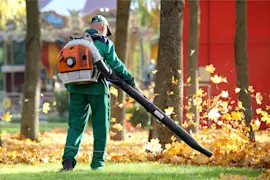
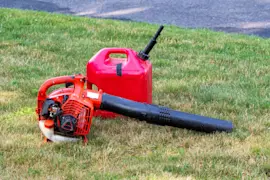
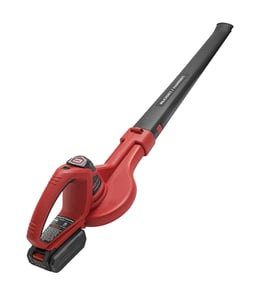
The “best rated” electric leaf blower depends on whether you mean corded or cordless, and how you use it. For most homeowners, the top picks are the models that balance airflow (CFM), airspeed (MPH), runtime, and comfort; we recommend matching those specs to your yard size and cleanup style.
When ratings are high, it is usually because the blower performs well in these areas:
- Airflow (CFM): Higher CFM moves more leaves at once (best for piles and lawns)
- Airspeed (MPH): Higher MPH helps dislodge wet leaves and debris from cracks
- Power source: Corded for steady power; cordless for portability
- Runtime and battery platform: If cordless, staying in one battery ecosystem matters
- Noise and vibration: Big factor for comfort and neighborhood use
- Weight and balance: A lighter blower often gets used more often
| Type | Best for | Typical strengths | Typical tradeoffs |
|---|---|---|---|
| Corded electric | Small to medium areas near outlets | Consistent power, no battery downtime | Cord management, limited reach |
| Cordless (battery) | Medium to large areas, quick grab-and-go | Portability, strong modern performance | Runtime limits, battery cost |
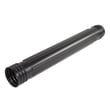
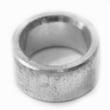
If your Weed Eater 2510 needs better reach or improved direction control at the nozzle, replacing worn or missing tubes can restore performance and reduce blow-by at the connection points. A common fit-related replacement for this model is the leaf blower attachment kit extension tube 530094425.
“Best rated” lists often mix different blower types and test methods. When you match CFM/MPH and power source to your yard, you get faster cleanup, less fatigue, and fewer clogs from trying to push heavy debris with an underpowered setup.
We list model-matched replacement parts for Weed Eater 2510 on this page; for broader part searches by model number, use Sears PartsDirect.
Last updated: February 2026
How long will an electric leaf blower last?
A Weed Eater model 2510 electric leaf blower typically lasts 10 years with normal homeowner use and basic care (clean airflow paths, avoid overheating, and store it dry). Heavy use, clogged tubes, and running it hot shorten motor and switch life.
Electric leaf blowers are simple machines, so lifespan mostly comes down to heat, airflow, and cord care.
- Light seasonal use: about 10+ years
- Regular weekly use: about 7 to 10 years
- Heavy use (long runs, frequent debris loads): about 5 to 7 years
- Blocked intake or outlet that restricts airflow (motor runs hotter)
- Running continuously without cool-down breaks
- Pulling wet leaves or mulch that strains the fan and tube
- Dropping the unit (can crack housings or loosen wiring)
- Damaged power cord or loose plug connection
- Unplug before cleaning or inspecting.
- Clear the intake vents and tube after each use.
- Let the blower cool if the housing feels hot.
- Store indoors; keep moisture out of the motor area.
- Inspect the tube connection; replace worn or loose tube parts when needed.
A loose, cracked, or missing tube reduces airflow and can make the blower work harder.
| Symptom | Likely issue | What to do |
|---|---|---|
| Weak airflow | Tube leak or poor fit | Inspect and replace the tube if damaged |
| Rattling at the outlet | Tube not seated | Reinstall and check for cracks |
| Debris buildup in tube | Restricted flow | Clean tube and check for deformation |
For this model, the Leaf blower attachment kit extension tube is available as leaf blower attachment kit extension tube 530094425.
Heat is the main enemy of electric blower motors. Keeping airflow unrestricted and the tube sealed helps the motor run cooler, which directly extends the life of your Weed Eater 2510.
If you need additional replacement parts beyond the tube kit listed for this model, you can search by model number on Sears PartsDirect.
Last updated: February 2026
Is a higher mph or CFM better for a leaf blower?
Higher CFM is better for moving more material at once, and higher MPH is better for blasting stubborn debris; for a Weed Eater 2510 electric leaf blower, the “better” spec depends on whether you need airflow volume (CFM) for piles or air speed (MPH) for stuck-on leaves.
- CFM (cubic feet per minute): how much air the blower moves; higher CFM clears larger areas and bigger piles faster.
- MPH (miles per hour): how fast the air exits the nozzle; higher MPH helps break loose debris and push it off hard surfaces.
- Best real-world performance comes from a balance: enough CFM to carry debris away, plus enough MPH to start it moving.
| Job you are doing | Prioritize | Why it matters |
|---|---|---|
| Dry leaves on driveway, patio, garage | Higher MPH | Speed helps lift and “peel” leaves off hard surfaces |
| Large piles in yard or along fence line | Higher CFM | Volume moves more leaves per pass |
| Wet leaves, mulch, heavier debris | More CFM plus solid MPH | You need both lift and carry to keep material moving |
| Tight spots (beds, corners, around shrubs) | Higher MPH with a focused tube | Concentrated airflow improves control |
- Use a narrower outlet for more focused push; an extension tube can improve reach and control.
- Work with the wind when possible; it effectively increases your clearing efficiency.
- Blow in layers (top leaves first), then consolidate into a pile.
- For wet debris, use short, controlled bursts to break it loose, then switch to longer passes.
- Keep the air path clear; a clogged intake or blocked tube reduces both MPH and CFM.
If you need more reach or a better aiming angle, the leaf blower attachment kit extension tube 530094425 can help direct airflow where you need it.
MPH and CFM are measured differently, so “higher is better” is only true when it matches your job. Choosing the right balance helps you finish faster, reduces fatigue, and improves control around landscaping.
For replacement parts and accessories for your Weed Eater 2510, use the parts list for this model or search by model number on Sears PartsDirect.
Last updated: February 2026
Are electric leaf blowers powerful enough?
Yes. For typical residential cleanup, electric leaf blowers are powerful enough to move dry leaves, grass clippings, and light debris; corded models deliver steady power, and cordless models trade some runtime for convenience. For your Weed EATER 2510, performance depends most on airflow (CFM) and air speed (MPH).
Electric blowers work best when you match the tool to the job and conditions.
- Dry leaves on hard surfaces: strong performance for most electric models
- Wet, matted leaves in grass: needs higher CFM and good nozzle control
- Pine needles and mulch: doable, but slower; expect multiple passes
- Large yards: corded is consistent; cordless may need extra batteries
- Noise and maintenance: electric is typically quieter and lower-maintenance than gas
| Feature | Corded electric | Cordless electric |
|---|---|---|
| Power consistency | High (no battery fade) | Medium to high (varies by battery) |
| Runtime | Unlimited | Limited by battery capacity |
| Best for | Driveways, patios, long sessions | Quick cleanups, spot work |
| Tradeoff | Cord management | Battery cost and charging |
These setup and technique changes usually matter more than raw “MPH” claims.
- Start with short bursts to break loose piles, then sweep steadily
- Keep the nozzle low and angled to roll debris instead of scattering it
- Work with the wind and make smaller piles you can control
- If airflow feels weak, check for clogs, cracked tubes, or loose connections
- Replace damaged tubes so you do not lose airflow; see the leaf blower attachment kit extension tube 530094425
Choosing the right electric blower power level saves time and reduces frustration. Higher airflow helps with wet leaves and heavier debris; consistent airflow (often easier with corded) helps when you are clearing larger areas.
For replacement parts for your model 2510, order from the parts list for this model or search by model number on Sears PartsDirect.
Last updated: February 2026