Owner’s manual
 View engine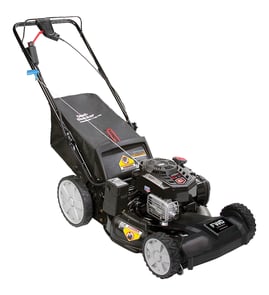


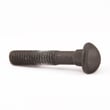
Is it cheaper to repair or replace a lawnmower?
For a Craftsman 917388570 gas walk-behind mower, repairing is cheaper when the fix is routine maintenance or a single worn part (blade, cable, wheel, fasteners). Replacing is cheaper when the engine or deck has major damage and you would pay labor for multiple repairs.
Quick cost rule we use
- Repair when the mower needs a tune-up, a blade, a cable, or a wheel.
- Replace when the mower needs repeated repairs, has poor compression, or has a bent crankshaft or cracked deck.
- Repair when you can do the work yourself and parts are readily available.
- Replace when a shop’s labor plus parts approaches the cost of a comparable new mower.
What to check first (fast diagnosis)
Use the maintenance and troubleshooting steps in the owner's manual. Then evaluate these common cost drivers:
- Starts and runs consistently after fresh fuel, clean air filter, and a new spark plug.
- Cuts cleanly with a sharp, balanced blade and correct cutting height.
- Vibration (often points to a bent blade or blade adapter issue).
- Drive and control feel (cables and handle hardware can wear).
- Deck condition (rust-through or cracks usually push the decision toward replacement).
Common repairs that usually make sense on this model
These are typical “high value” fixes because they restore performance without major teardown:
| Symptom | Likely fix | Example part for this model |
|---|---|---|
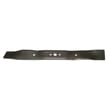
| Poor cut, ragged grass | Sharpen or replace blade | 21-in deck 3-in-1 blade 532189028 |
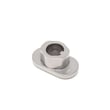
| Vibration after hitting something | Inspect blade and adapter | Lawn mower blade adapter 532418373 |
| Control bar/cable feels loose or won’t hold | Replace zone/control cable | Walk-behind lawn mower engine cable 532176556 |
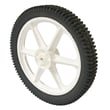
| Mower tracks poorly or wheel wobbles | Replace rear wheel | Lawn mower wheel, rear 532189159 |
Why it matters
A mower that is maintained “by the book” costs less over time. The manual’s schedule (oil checks, air filter service, spark plug replacement, and blade care) helps prevent the expensive failures that make replacement the better financial choice.
Last updated: February 2026
What are the symptoms of a bad carburetor on a lawn mower?
On a Craftsman 917388570 gas walk-behind mower, a carburetor problem usually shows up as hard starting, rough idle, stalling, surging, or bogging down when you begin cutting. This model’s manual also notes the carburetor is not adjustable, so symptoms typically point to a fuel-delivery issue that needs cleaning or service (not tuning). See the owner's manual for operating and service guidance.
Common symptoms you’ll notice
- Engine starts only with the primer used repeatedly, then dies
- Starts but won’t stay running at idle (stalling at stops)
- Surging (engine speed hunts up and down) after it warms up
- Bogging down or losing power under load (thick grass)
- Strong fuel smell, black smoke, or a wet spark plug (running too rich)
- Hard starting after storage, especially with old fuel
Quick checks before blaming the carburetor
These issues can mimic carb trouble and are faster to rule out:
- Old fuel: Drain and refill with fresh gas (stale fuel is the most common cause)
- Dirty air filter: A restricted filter can cause rich running and smoke
- Spark plug condition: Fouling can cause misfire and hard starting
- Primer use: The primer “pumps additional fuel” for cold starts; over-priming can flood the engine
- Deck and engine buildup: Heavy grass and debris can load the engine; the manual recommends cleaning buildup after each use
What the manual means by “carburetor is not adjustable”
On the 917388570, you should not try to change engine speed or “tune” the carburetor with adjustment screws. When symptoms persist after fresh fuel and basic maintenance, the fix is typically:
| What’s happening | Most likely carb-related cause | Typical next step |
|---|---|---|
| Starts then dies | Clogged main jet or varnish | Clean carburetor passages |
| Surges at idle | Restricted idle circuit or air leak | Clean carb, inspect gaskets |
| Runs rich, smokes | Sticking float/needle | Service float and needle |
Why it matters
A mower that runs lean or surges can overheat and lose power; a mower that runs rich can foul the spark plug and waste fuel. Addressing fuel issues early helps protect engine life and keeps cutting performance consistent.
Last updated: February 2026
Should I use 87 or 89 gas for lawn mower?
For the Craftsman 917388570 gas walk-behind lawn mower, use fresh, clean regular unleaded gasoline with a minimum of 87 octane; 89 octane is not required. We also recommend buying only what you will use within about 30 days to keep fuel from going stale (see the owner's manual).
What fuel to use (and what to avoid)
Use these guidelines to protect the carburetor and keep starting easy:
- Use unleaded gasoline, 87 octane minimum (regular at the pump).
- Do not mix oil with gasoline (this is a 4-cycle mower engine).
- Avoid old fuel; use fuel you can finish in 30 days.
- Wipe up spills right away and refuel only when the engine is cool.
- For storage longer than 30 days, run the engine until the fuel system is empty.
87 vs 89: what changes?
Higher octane does not add power in a typical small mower engine; it mainly resists knock in higher-compression engines.
| Fuel choice | Works in this mower? | When to choose it |
|---|---|---|
| 87 octane (regular) | Yes (recommended) | Normal mowing and everyday use |
| 89 octane (mid-grade) | Yes | Only if it is the freshest fuel available |
Why it matters
Using the right fuel helps prevent hard starting, surging, and fuel-system corrosion. Stale or alcohol-blended fuel can attract moisture and cause separation during storage, which can lead to rough running and no-start problems.
Related maintenance that helps starting
If the mower still runs poorly after fresh fuel, these items are common tune-up checks:
- Air filter condition and cleanliness
- Spark plug condition and gap
- Proper oil level before each use
- Clean mower housing and cooling areas to prevent overheating
- Blade and blade adapter tightness (a loose blade can cause vibration and damage)
Last updated: February 2026
What is the life expectancy of a gas-powered lawn mower?
Most gas-powered walk-behind lawn mowers last 8 to 10 years with normal residential use and routine maintenance. For your Craftsman 917388570, consistent cleaning, blade care, and proper off-season storage are the biggest factors that keep the engine and deck performing year after year (see the owner's manual).
What affects mower lifespan the most
- Maintenance frequency: oil changes, air filter service, spark plug replacement
- Deck cleanliness: built-up grass and debris trap moisture and speed corrosion
- Engine cooling: a dirty engine runs hotter and shortens engine life
- Blade condition: a dull or bent blade strains the engine and reduces cut quality
- Storage habits: storing dirty or with old fuel increases starting and running problems
Maintenance habits that extend life
We recommend these practical habits for a Craftsman gas walk-behind mower:
- Clean the underside of the deck after each use (scrape buildup; avoid spraying water into the engine area).
- Keep the engine exterior clear of debris so it can shed heat.
- Keep the blade sharp; replace bent or damaged blades.
- Before any service, disconnect the spark plug wire and keep it away from the plug.
- At season end (or 30+ days of non-use), clean thoroughly, inspect fasteners, and store in a clean, dry area.
Quick guide: when to repair vs replace
| If you see this | Usually means | Best next step |
|---|---|---|
| Starts and runs well, but cut is ragged | Blade is dull or damaged | Sharpen or replace the blade; inspect the adapter |
| Excess vibration after hitting debris | Blade or blade adapter damage | Inspect blade and consider replacing the lawn mower blade adapter 532418373 |
| Deck packs with wet clippings | Cleaning issue or mowing conditions | Clean deck; adjust mowing habits |
| Handle will not stay positioned | Handle hardware wear | Inspect handle knobs, brackets, and fasteners |
Why it matters
A mower that is cleaned regularly and kept mechanically tight cuts better, runs cooler, and avoids premature wear on bearings, cables, and the engine. That is how most owners reach the full 8 to 10 year lifespan.
Last updated: February 2026
What are the common problems with Craftsman lawn mowers?
Common problems on the Craftsman 917388570 gas walk-behind mower include no-start conditions, loss of power, uneven cutting, excessive vibration, a starter rope that’s hard to pull, and poor bagging. Most issues trace back to fuel, spark, airflow, blade condition, or grass buildup; our owner's manual troubleshooting chart helps pinpoint the cause.
Most common symptoms and what usually causes them
- Won’t start: control bar not held to the handle, fuel valve OFF, fouled spark plug, stale fuel, dirty air filter
- Loss of power: cutting too much grass, dirty air filter, grass buildup under the deck, too much oil, walking speed too fast
- Poor cut (uneven): worn or loose blade, uneven wheel height, debris packed under the mower
- Excessive vibration: bent or loose blade, damaged blade adapter, bent crankshaft
- Starter rope hard to pull: blade dragging in grass, brake engaged when control bar is released, blade adapter problem
Quick checks we recommend first (fastest wins)
- Safety and controls: Hold the control bar firmly to the handle; confirm the fuel valve is ON (if equipped).
- Fuel and oil: Use fresh gas; verify oil level is correct (overfilled oil can cause running problems).
- Air and spark: Clean or replace the air filter; replace the spark plug if it’s worn or fouled.
- Deck condition: Tip the mower on its side with the air filter and carburetor facing up; clear packed grass and debris.
Blade-related problems (cut quality, vibration, hard pull)
A dull, bent, or loose blade can cause uneven cutting, vibration, and extra drag that makes the starter rope feel stiff.
| Symptom | Most likely blade-area cause | What to do |
|---|---|---|
| Uneven cut | Worn/bent/loose blade | Tighten or replace blade |
| Vibration | Bent blade or adapter issue | Inspect blade and adapter; replace damaged parts |
| Rope hard to pull | Blade dragging in grass | Clear deck; check blade and adapter |
If you’re replacing blade hardware during service, match parts exactly; for example, use the correct fasteners such as the lock nut 532409149 when your parts diagram calls for it.
Why it matters
Catching these problems early prevents poor performance and reduces the chance of secondary damage (like vibration-related wear). Routine blade care and keeping the underside of the deck clean also improves cut quality and bagging.
Last updated: February 2026