
What is the most expensive part to replace on an AC unit?
In most central AC systems (including York condensing units like model H2DH030S06B), the compressor is typically the most expensive single part to replace because it is the core of the refrigerant cycle and the repair often involves sealed-system work.
The compressor does more than “turn on and off”; it pressurizes refrigerant and keeps it moving through the outdoor condenser coil and indoor evaporator coil. When it fails, the job commonly includes multiple steps beyond the part itself.
Common cost drivers include:
- Refrigerant recovery and recharge (sealed-system service)
- Electrical diagnostics (contactor, capacitor, wiring, overload)
- Labor time and specialized tools
- Possible cleanup after a burnout (acid, debris, restricted metering device)
- Matching the correct compressor specs (capacity, voltage, refrigerant type)
Depending on what failed, these can also be expensive on a central air conditioner:
- Condenser coil replacement (leaks, corrosion)
- Outdoor fan motor replacement (especially if it damages the fan blade or grille)
- Control board or defrost board issues (on heat pump style outdoor units)
- Refrigerant leak detection and repair (multiple visits)
| Repair item | Typical cost level | Why it gets expensive |
|---|---|---|
| Compressor | Highest | Sealed-system labor plus refrigerant handling |
| Condenser coil | High | Large component, leak risk, refrigerant work |
| Fan motor | Medium to high | Motor plus diagnostics, sometimes secondary damage |
| Capacitor/contactor | Low to medium | Common electrical parts, faster replacement |
If the compressor is the issue, we treat it as a “big-picture” diagnosis: a bad capacitor, contactor, or wiring problem can mimic compressor failure. Confirming the root cause helps avoid replacing a major component unnecessarily.
If you are checking power or electrical components, use a meter correctly and safely: how to use a multimeter to test electrical parts video.
Last updated: February 2026
What are the five basic parts of an air conditioning system?
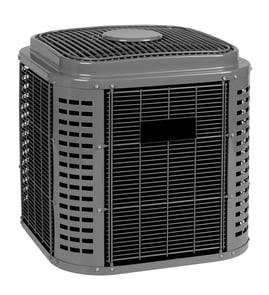
The five basic parts of a typical central air conditioning system (including a York condensing unit like model H2DH030S06B) are the thermostat, the outdoor condensing unit, the indoor evaporator coil, the air handler or furnace (blower), and the ductwork that distributes air through your home.
- Thermostat: Senses indoor temperature and tells the system when to cool.
- Outdoor condensing unit (condenser + compressor): Moves heat out of your home; the compressor pumps refrigerant and the condenser coil releases heat outdoors.
- Indoor evaporator coil: Absorbs heat and humidity from indoor air as refrigerant evaporates.
- Air handler or furnace (blower): Pushes conditioned air across the evaporator coil and through the ducts.
- Ductwork and vents: Carries cooled air to rooms and returns warm air back to be cooled again.
| Part | Typical location | Common symptom when it fails |
|---|---|---|
| Thermostat | Hallway or main living area | No cooling call, short cycling |
| Condensing unit | Outside | Humming, won’t start, poor cooling |
| Evaporator coil | Above furnace or in air handler | Icing, weak airflow, water leaks |
| Blower (air handler/furnace) | Indoors (utility area/closet) | Little or no airflow at vents |
| Ductwork | Attic, crawlspace, walls | Hot spots, low airflow, dust issues |
Knowing these five parts helps you narrow down whether a cooling problem is a control issue (thermostat), an airflow issue (blower or ducts), or a refrigeration-side issue (evaporator coil or outdoor condensing unit). That makes troubleshooting faster and helps you choose the right repair path.
- Confirm the thermostat is set to Cool and the temperature is set lower than room temperature.
- Replace or clean the HVAC air filter (a clogged filter can cause weak airflow and coil icing).
- Check that supply vents are open and not blocked by furniture.
- Inspect the outdoor unit for debris blocking airflow (leaves, grass clippings).
- If you suspect an electrical issue, use a meter only if you are trained; see how to use a multimeter to test electrical parts video.
Last updated: February 2026
How much do AC spare parts usually cost?
AC spare parts for your York H2DH030S06B condensing unit usually range from under $20 for small electrical items to several hundred dollars for major components. The exact price depends on the part type (capacitor vs. compressor), brand availability, and whether you’re replacing one part or doing a larger repair.
These are common ranges we see for central air conditioner parts (part only, not labor):
- Fuses, wire terminals, contactor points: $10 to $50
- Run capacitor / start capacitor: $15 to $80
- Contactor (relay): $25 to $120
- Pressure switch / temperature sensor: $30 to $150
- Condenser fan motor: $120 to $350
- Control board (if used on the unit): $150 to $500
- Compressor: $500 to $1,500+
A few factors drive the price up or down:
- Part category: motors and compressors cost more than switches and capacitors
- Match to model: parts that must match H2DH030S06B exactly (electrical ratings, mounting, wiring) can cost more
- Repair scope: replacing a capacitor is usually low-cost; replacing a motor often adds additional hardware and time
- Diagnosis accuracy: misdiagnosis leads to buying extra parts you do not need
| Repair item | Parts cost (typical) | Total cost impact |
|---|---|---|
| Capacitor or contactor | $15 to $120 | Low to moderate |
| Fan motor | $120 to $350 | Moderate |
| Compressor-related repair | $500 to $1,500+ | High |
Central AC parts vary widely in price, and the wrong electrical rating (especially for a capacitor, contactor, or motor) can cause repeat failures. Confirming the model number and diagnosing with basic electrical tests helps you spend money on the right fix.
- Confirm the data plate shows H2DH030S06B
- Identify the failed system (fan not running, no cooling, breaker trips)
- If you’re comfortable testing, use a meter to check power and components
- Use our model page parts list to match the correct replacement
- For broader part searches by model number, use Sears PartsDirect
Related DIY help: how to use a multimeter to test electrical parts video
Last updated: February 2026
What AC parts are most commonly replaced?
For the York H2DH030S06B condensing unit, the most commonly replaced AC parts are the electrical start components and airflow parts (like the run capacitor, contactor, and condenser fan motor), plus wear items tied to heat, vibration, and power surges. These are the parts that most often cause “won’t start,” “hums,” or “runs but doesn’t cool” symptoms.
- Run capacitor: Helps start and keep the compressor and fan motor running.
- Contactor (relay): Sends high-voltage power to the compressor and condenser fan when cooling is called.
- Condenser fan motor: Moves air through the outdoor coil to release heat.
- Dual run capacitor (if equipped): One capacitor serving both compressor and fan.
- Fuses or disconnect components (at the service disconnect): Protect the circuit from overcurrent.
- Compressor (less common, higher cost): Pumps refrigerant; failures are usually confirmed by electrical tests.
- Outdoor coil-related issues: The coil itself is not “replaced often,” but it is frequently cleaned or repaired when airflow is restricted.
| What you notice | Most likely part area | Typical next step |
|---|---|---|
| Outdoor unit won’t start at all | Contactor, capacitor, fuses/disconnect | Verify power, then test components |
| Humming, then shuts off | Capacitor, compressor start circuit | Test capacitor; check compressor amps |
| Fan not spinning but compressor runs | Fan motor, capacitor | Inspect fan blade, test motor/capacitor |
| Runs constantly, weak cooling | Coil airflow, refrigerant system, compressor | Clean coil, check airflow, then diagnose sealed system |
- Heat and sun exposure in the outdoor cabinet
- Power surges and brownouts stressing capacitors and contactors
- Vibration loosening electrical connections over time
- Dirt and restricted airflow overheating the fan motor and compressor
Central AC troubleshooting involves high voltage and can involve the sealed refrigerant system.
- Turn off power at the breaker and outdoor disconnect before opening panels.
- Use a meter correctly for voltage and capacitance checks.
- Leave refrigerant handling and compressor replacement to a qualified technician.
For help with basic electrical testing skills, use our guide: how to use a multimeter to test electrical parts video.
Replacing the right “common failure” part first (often a capacitor or contactor) can restore cooling quickly and prevent repeat failures caused by overheating or poor airflow.
Last updated: February 2026