Installation guide
 Owner’s manual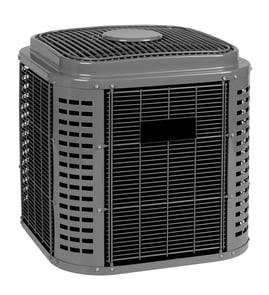



How much BTU is a 3 ton AC unit?
A 3-ton AC system equals 36,000 BTU per hour of cooling (3 × 12,000). For Carrier model 24ABR324A0031010, the “24” in the model number indicates a 2-ton (about 24,000 BTU/hr) class outdoor unit, so it is not a 3-ton condenser.
- 1 ton = 12,000 BTU/hr
- 2 ton = 24,000 BTU/hr
- 2.5 ton = 30,000 BTU/hr
- 3 ton = 36,000 BTU/hr
| Nominal size | BTU per hour |
|---|---|
| 2 ton | 24,000 |
| 2.5 ton | 30,000 |
| 3 ton | 36,000 |
Even when the outdoor unit is a 2-ton or 3-ton class, delivered cooling depends on the matched indoor coil and installation setup. Use the installation guide to confirm approved matches and setup requirements.
Key factors that change real-world performance:
- Indoor coil match and refrigerant metering device (TXV vs. fixed orifice)
- Airflow across the indoor coil (duct sizing, blower speed, filter condition)
- Refrigerant charge and line-set length
- Outdoor temperature and coil cleanliness
- Installation clearances for proper airflow and service access
Our installation guidance for this Carrier outdoor unit includes:
- Clearance targets for airflow and service access (for example, space at the service end and above the unit)
- Cooling-mode operating ambient range (minimum and maximum outdoor temperatures)
- Refrigerant tubing connection practices and accessory requirements
Sizing affects comfort and efficiency. Oversized systems short-cycle and remove less humidity; undersized systems run continuously and struggle on hot days. Matching the indoor coil and setup to the outdoor unit per the installation guide keeps capacity and reliability on track.
Last updated: February 2026
How much does a 3 ton Carrier AC cost?
A 3-ton Carrier central air conditioner typically costs $3,000 to $15,000 installed, depending on efficiency, whether you are replacing just the outdoor condenser or a matched indoor coil/air handler, and how much ductwork and electrical work your home needs. Use the installation guide to confirm installation requirements for your specific system.
Carrier model 24ABR324A0031010 is commonly a 2-ton class outdoor unit (about 24,000 BTU). If you are pricing a true 3-ton replacement (about 36,000 BTU), treat the numbers above as general 3-ton guidance and verify the correct capacity before you buy.
| Nominal size | Approx. BTU/hr | Common model cue |
|---|---|---|
| 2 ton | 24,000 | “24” in the model number |
| 3 ton | 36,000 | “36” in the model number |
- Efficiency tier and features (single-stage vs two-stage/variable)
- Whether the indoor coil or air handler must be replaced to match
- Ductwork condition (sealing, resizing, added returns)
- Electrical needs (disconnect, wiring, breaker, thermostat compatibility)
- Refrigerant line set work (reuse vs replace, flushing, length changes)
- Access and setup (pad, leveling, evacuation, startup testing)
| Cost item | Common range |
|---|---|
| Outdoor unit | $1,800 to $6,000 |
| Indoor coil/air handler (if needed) | $1,000 to $4,500 |
| Labor and installation materials | $1,200 to $5,000 |
| Electrical/ductwork add-ons | $0 to $4,000+ |
Correct sizing and matched components protect comfort, humidity control, and compressor life. Oversizing or mismatching the indoor coil can increase noise, short cycling, and long-term repair costs.
Last updated: February 2026
Is it hard to get Carrier parts?
For the Carrier 24ABR324A0031010 central air conditioner, getting the right replacement part is usually straightforward when you match the exact model and serial information to the correct component. Most “hard to get” situations come from misidentifying the part, ordering a look-alike with different electrical ratings, or needing a specialized HVAC component.
Carrier outdoor units can be built in multiple configurations across production runs, so the same cabinet can use different electrical or motor components. Using the rating plate model and serial numbers helps you match the correct part the first time.
Common causes of delays or wrong orders:
- Serial number indicates a different production run than expected
- A universal substitute is chosen for an OEM electrical part (ratings mismatch)
- The symptom is caused by wiring, airflow, or thermostat settings instead of a failed part
- The repair involves high-voltage components that require careful verification
Use the rating plate information and the parts list for 24ABR324A0031010 to match the component by description and application.
Checklist before ordering:
- Confirm the outdoor unit model is 24ABR324A0031010
- Record the serial number from the rating plate
- Match markings on the old part (voltage, amperage, and any printed ratings)
- Inspect wiring terminals for looseness or heat damage
- Verify the symptom is consistent (intermittent issues often point to connections)
For model and serial number location plus basic troubleshooting checks, use the owner's manual.
These are examples of parts available for this model that commonly relate to “no start,” “fan not running,” or “hard starting” symptoms:
| Symptom | Commonly involved part type | Example available part |
|---|---|---|
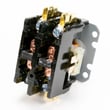
| Outdoor unit will not start | Contactor | Contactor HN51KC024 (part number) |
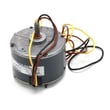
| Outdoor fan not running | Fan motor | Fan motor HB33GQ230 |
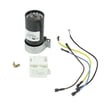
| Compressor struggles to start | Hard start kit | Central air conditioner compressor hard start kit KSAHS1501AAA |
Ordering the correct part for your Carrier system prevents repeat downtime and avoids electrical mismatches that can cause nuisance trips, poor cooling, or additional component damage.
Last updated: February 2026
What is the life expectancy of a Carrier air conditioner?
Most Carrier central air conditioners, including model 24ABR324A0031010, have a typical life expectancy of 15 to 20 years. In coastal or harsh climates, lifespan trends shorter unless you stay on top of coil cleaning, airflow, drainage, and annual professional inspection.
- Maintenance consistency: annual inspection, cleaning, and electrical checks
- Airflow: clean return filter(s) and open, unobstructed supply vents
- Outdoor coil condition: dirt, grass clippings, and salt air speed up wear
- Drainage and leveling: a unit that is not level can hold water in the base pan
- Electrical health: loose connections and worn controls increase failures
The owner's manual calls out routine checks and an annual system inspection. Use this as a practical baseline:
| Task | Typical frequency | Why it helps |
|---|---|---|
| Check/replace air filter(s) | Monthly in heavy use | Protects blower and keeps airflow strong |
| Rinse outdoor coil and clear debris | Seasonally | Improves efficiency and reduces compressor strain |
| Coastal coil wash (salt air areas) | About every 3 months | Reduces corrosion and coil damage |
| Professional inspection (both units) | Yearly | Catches wiring, coil, and drain issues early |
- Cooling takes much longer than it used to (even with a clean filter)
- Frequent electrical or starting issues (buzzing, chattering, hard starts)
- Outdoor fan problems (slow, noisy, or not running)
- Rising repair frequency or repeated service calls in the same season
A central air conditioner that is kept clean, level, and electrically sound runs with less strain. That reduces compressor and fan motor wear, helps humidity control, and delays the expensive failures that typically end a system’s service life.
Last updated: February 2026