Owner’s manual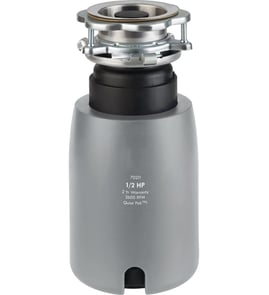

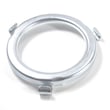
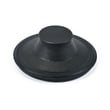

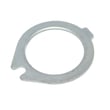
Can you replace the rubber part of a garbage disposal?
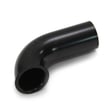
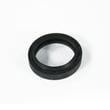
Yes; on a Kenmore 17560580 garbage disposal, the replaceable “rubber part” is usually a seal in the plumbing connections (such as a discharge tube gasket/washer or a dishwasher drain coupler), not a snap-in splash guard at the sink opening. Use the 17560580 manual to match the correct seal and follow safety steps.
Which rubber part is most likely replaceable?
On disposals like the Kenmore 17560580, rubber pieces that commonly get replaced are in the drain and dishwasher connections:
- Discharge tube gasket/washer: seals where the discharge tube meets the disposer outlet
- Dishwasher drain coupler: rubber connector used when attaching a dishwasher drain hose to the disposer inlet
- Sink sleeve putty seal area: plumber’s putty under the sink sleeve (sealant, not a molded rubber baffle)
How we identify the right rubber piece
Use these quick checks before buying parts:
- Leak at the side outlet where the discharge tube attaches: focus on the discharge gasket/washer and flange screws
- Leak at the dishwasher hose connection: focus on the rubber coupler and clamps
- Leak at the sink flange (top mounting area): focus on the sink sleeve and sealing putty
| Symptom | Most common rubber/seal involved | What to inspect first |
|---|---|---|
| Drips under sink at discharge elbow | Discharge tube gasket/washer | Flange screws, gasket seating |
| Drips at dishwasher hose | Dishwasher drain coupler | Clamp tightness, coupler cracks |
| Water around sink flange | Sink sleeve seal (putty) | Loose mounting, deteriorated seal |
Safety steps we follow before touching anything
The manual’s safety section is clear on preventing injury:
- Turn the wall switch OFF and shut OFF power at the breaker
- Keep hands out of the grind chamber
- Use tongs or pliers to remove objects
- Use the disposer’s self-service wrenchette method for jams (as described in the manual)
Why it matters
Replacing the correct gasket or coupler stops leaks that can damage cabinets and flooring, and it keeps the disposer properly supported so vibration and noise do not get worse.
Last updated: February 2026
How to shop for garbage disposals?
When we shop for a garbage disposal, we match the unit to how your kitchen is used: motor power for the amount of food waste, mounting and drain connections for your sink and dishwasher, and safety and noise features. For Kenmore model 17560580, we also recommend confirming installation and operating requirements in the 17560580 owner's manual.
What to compare before you buy
- Motor size (horsepower): light use typically fits 1/3 to 1/2 HP; frequent cooking and tougher scraps fit 3/4 to 1 HP.
- Feed style: continuous feed (most common) vs batch feed (added safety cover).
- Noise control: insulated housing, anti-vibration mounts, and balanced grinding components.
- Grinding components: stainless steel grind ring/impellers resist corrosion and last longer.
- Mounting compatibility: check whether your existing sink mounting matches the new disposer’s mounting ring and sink flange.
- Dishwasher hookup: confirm a dishwasher inlet and plan for a tight hose clamp connection.
Quick sizing guide (typical)
| Household / cooking habits | Typical HP range | What it handles well |
|---|---|---|
| 1 to 2 people, light prep | 1/3 to 1/2 | soft scraps, small amounts |
| 3 to 5 people, regular cooking | 1/2 to 3/4 | mixed scraps, moderate volume |
| Heavy cooking, frequent entertaining | 3/4 to 1 | tougher scraps, higher volume |
Installation and safety checks we recommend
- Turn power off at the breaker/fuse box before removing or wiring a disposer.
- Confirm the unit is properly grounded (especially for permanently connected units).
- Verify the disposer locks into the mounting ring securely (many use a small “wrenchette” style tool).
- Leak-check all connections by running water, filling the sink, then draining and inspecting joints.
- Use cold water with a strong flow during grinding; many disposers work best around 1 1/2 gallons per minute.
Why it matters
Choosing the right horsepower and matching the sink mounting and drain setup prevents jams, reduces noise complaints, and avoids leaks at the sink flange, discharge tube, and dishwasher drain connection.
Last updated: February 2026
Is it cheaper to repair or replace a garbage disposal?
For a Kenmore garbage disposal model 17560580, it’s cheaper to repair when the problem is a simple jam, a reset trip, or a minor electrical connection issue. Replace the disposer when it leaks from the body, repeatedly jams, or has internal grinding or motor failure.
Quick cost and decision guide
In most homes, the tipping point is the type of failure more than the brand.
- Repair makes sense for: jams, stuck impeller, loose wiring, clogged drain line, worn splash baffle
- Replace makes sense for: housing leaks, cracked grind chamber, seized motor, repeated overheating trips
- Age rule of thumb: under 8 to 10 years usually repair first; over 10 years replacement is typically the better value
- DIY vs pro: DIY jam clearing is often free; labor is what drives repair cost up
- If you smell burning or see damaged wiring: stop and address the electrical issue before running it again
| Situation | Usually cheaper | Why |
|---|---|---|
| Disposal hums but won’t spin (jam) | Repair | Often cleared with the built-in hex “wrenchette” method |
| Reset button trips occasionally | Repair | Common overload condition; check for jams and water flow |
| Water leaking from the disposer body | Replace | Internal seals or housing failure is not a practical repair |
| Frequent clogs in the sink drain line | Repair (plumbing) | Cleaning the trap and horizontal drain line restores flow |
What we recommend checking first (fast, low-cost)
Follow the safety steps in the 17560580 owner’s manual before servicing.
- Turn off power at the breaker or fuse box before touching wiring
- If it’s jammed, use the self-service hex wrench method (wrenchette) to free the grind plate
- Use long-handled tongs or pliers to remove objects; never put hands inside
- Confirm strong cold water flow while grinding; the manual calls out about 1 1/2 gallons per minute for efficient grinding
- If draining is slow, clean the trap and the horizontal drain pipe (a partially blocked line can mimic a “bad” disposer)
Why it matters
Choosing repair vs replacement the right way prevents repeat clogs, protects the motor from overheating, and avoids electrical hazards from working on a permanently connected, grounded unit.
Last updated: February 2026
What is the average lifespan of a garbage disposal?
Most garbage disposals last 8 to 15 years. For the Kenmore 17560580 garbage disposal, lifespan depends mainly on how it’s used and maintained; steady cold-water flushing, avoiding fibrous foods, and preventing jams typically keeps the motor and grind chamber working longer (see the Kenmore 17560580 owner's manual).
Typical lifespan by usage
| Usage pattern | Typical lifespan | What usually wears first |
|---|---|---|
| Light (small scraps, good flushing) | 12 to 15 years | Splash baffle, seals |
| Average household use | 8 to 12 years | Motor, bearings |
| Heavy/abusive use (fibrous waste, frequent jams) | 5 to 8 years | Motor protector trips, internal wear |
Habits that extend disposal life
- Run a strong flow of cold water while grinding; a common target is about 1 1/2 gallons per minute (medium to full faucet flow).
- Turn water on first, then switch the disposer on to help prevent drain blockage.
- Keep water running briefly after grinding to clear the horizontal drain line.
- Grind hard items only as intended (small bones or fruit pits can help scour the chamber when used appropriately).
- Use the stopper in the drain/grind position to reduce ejection of material.
Habits that shorten disposal life
- Grinding extremely fibrous foods (corn husks, artichokes, etc.), which can contribute to clogs and strain.
- Using hot water while grinding (hot water is fine between grinding periods, but not during grinding).
- Putting in glass, metal, plastic, or large hard objects that can jam the unit.
- Turning off the motor or water before grinding is fully complete.
Why it matters
A disposal usually fails early from repeated jams, overheating (motor protector trips), or drain line blockages. Consistent cold-water flushing and avoiding problem foods reduces load on the motor and helps keep the drain path clear.
Last updated: February 2026
What to pour down a garbage disposal?
For the Kenmore 17560580 garbage disposal, we recommend flushing with a strong flow of cold water during grinding, and for odor cleanup you can pour a hot baking soda and water mixture through the running disposer as described in the 17560580 owner's manual.
Best things to pour (and when)
- Cold water while grinding food waste: Start water first, then turn on the disposer.
- Post-grind water flush: Keep water running briefly after grinding to help clear the horizontal drain line.
- Odor-cleaning flush: Pour a hot water and baking soda mixture through the running disposer (details below).
Odor-cleaning recipe (manual-based)
If you notice an objectionable odor, we use this method:
- Heat 3 to 4 quarts of water.
- Dissolve 1/2 cup baking soda in the hot water.
- Turn the disposer on and pour the heated mixture into the sink so it swirls and flushes the grind chamber.
What not to pour or put into the disposer
Avoid anything that can damage internal metal parts or create a clog.
- Drain cleaner
- Glass, china, plastic, plastic wrap, or bags
- Metal items (bottle caps, foil, utensils)
- Clam or oyster shells
- Large whole bones
Water flow and operation quick guide
| Task | What we do | Why |
|---|---|---|
| Start-up | Turn water on first, then disposer | Helps prevent drain blockage |
| Grinding | Use strong cold water flow | Improves grinding and carries waste |
| Finish | Let water run briefly after | Clears the drain line |
Why it matters
Most disposal clogs and odors come from shutting the unit off too soon or not using enough water. A strong cold-water flush moves ground food through the trap and horizontal drain pipe, and the baking soda flush helps clean residue inside the disposer housing.
Last updated: February 2026
Why don't plumbers like garbage disposals?
Plumbers often dislike garbage disposals because many clogs and drain backups come from how they are used, not from a failed motor. With the Kenmore 17560580 garbage disposal, the safest results come from using plenty of water, avoiding fibrous foods and grease, and following the operating and safety rules in the 17560580 owner's manual.
What usually causes the problems plumbers get called for
Most “disposal problems” are really drain line problems that start at the sink and build up downstream.
- Putting grease, fats, and oils down the sink; they cool and coat the pipe
- Grinding fibrous foods (corn husks, artichokes, celery) that can tangle and restrict flow
- Overloading with starchy foods (potato peels, rice, pasta) that swell and form paste
- Running too little water while grinding (waste floats, drains slowly, and can settle in the line)
- Letting foreign objects enter the grind chamber (can jam the unit and trip the protector)
What your Kenmore 17560580 manual says that ties directly to clogs
The manual calls out two big themes: prevent standing water and prevent drain blockage.
| Situation | What it usually means | What to do next |
|---|---|---|
| Water drains slowly; food waste floats or takes too long to grind | Drain line is partially clogged | Clean the drain line with a drain auger (not by reducing water flow) |
| Unit jams or motor protector trips | Foreign material or overload | Disconnect power before freeing the jam; then use the reset button after a short wait |
Best-use habits that reduce service calls
These habits keep the grind chamber and the drain line moving waste the way they are designed to.
- Run a steady stream of cold water before, during, and after grinding
- Feed small amounts at a time instead of dumping a full plate at once
- Keep fibrous scraps and large bones out of the disposer
- Use the stopper in the drain/grind position while grinding to reduce ejection risk
- If odor develops, flush with a hot water and baking soda mixture after the unit is empty
Why it matters
A garbage disposal is a convenience tool, not a trash can. When solids, grease, or fibrous material build up in the drain line, the fix is often a drain cleaning job (sometimes beyond the sink trap), which is exactly the kind of repeat call plumbers want to avoid.
Last updated: February 2026