


Are electric snowblowers worth it?
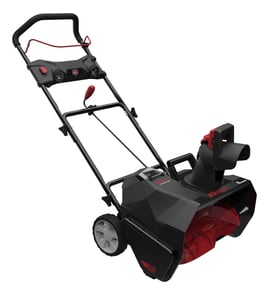
Yes. For a Toro 38025 1800 Power Curve snow thrower, an electric snowblower is worth it when you clear a small to medium driveway or sidewalks and want quick starts, low maintenance, and quieter operation. For heavy, deep, wet snow or large areas, a larger two-stage machine is typically a better fit.
When an electric snowblower is the right choice
Electric models shine when convenience matters as much as raw throwing power.
- You get light to moderate snowfall most storms (roughly up to 6 to 8 inches at a time)
- You clear smooth surfaces like concrete, pavers, or decks
- You want minimal upkeep (no fuel, oil changes, or carburetor issues)
- You need easy storage and lighter handling
- You prefer lower noise for early-morning or close-neighbor use
When you will be happier with a bigger machine
If these are common at your home, an electric unit can feel underpowered.
- Frequent storms with heavy, wet snow
- Drifts and plow berms at the end of the driveway
- Gravel or uneven surfaces (more likely to ingest stones)
- Long driveways where runtime or cord management becomes a hassle
What to compare before you decide
| What matters | Electric single-stage (like 38025) | Larger two-stage (typical) |
|---|---|---|
| Best for | Light to moderate snow | Deep, wet snow and drifts |
| Maintenance | Low | Moderate |
| Weight/handling | Easier | Heavier |
| Clearing speed | Moderate | Faster in tough conditions |
Why it matters
Matching the snowblower to your snowfall and surface prevents clogging, reduces strain on the rotor/auger system, and helps parts like the chute and belt last longer.
Parts that commonly wear from heavy use
If performance drops (more clogging, less throwing distance, more vibration), these model-specific parts are often involved:
- Toro snowblower timing belt, 3/4 x 6 1/4-in 73-0160 (slipping belt reduces rotor speed)
- Toro chute 73-0190 (cracks or binding can restrict discharge)
- Toro rotor 73-0400 (worn rotor edges reduce throwing efficiency)
Last updated: February 2026
Do electric snowblowers work in heavy snow?
Yes; electric snowblowers can work in heavy snow, but on a Toro 38025 (1800 Power Curve snow thrower) performance drops fast in deep, wet, or packed snow. You will usually need slower feed, narrower passes, and multiple layers to clear safely and avoid clogging.
What to expect in heavy snow
Electric single-stage units like the Toro 38025 do best when the snow is lighter and not heavily compacted.
- Heavy, wet snow tends to clog the chute and bog the rotor.
- Deep snow often requires shaving it down in layers (top first, then lower).
- End-of-driveway plow berms are the toughest; they are dense and icy.
- Wind-packed drifts can exceed what a single-stage electric can chew through.
- Corded power stays consistent, but technique matters more than raw power.
Tips that make a big difference
Use these habits to get the most out of your Toro electric snowblower in tough conditions:
- Clear early and often; do not wait for snow to pile up.
- Take half-width passes and keep the auger housing from overloading.
- Work in 2 to 3 inch layers when snow is deep.
- Keep the chute aimed to reduce recirculation (snow blowing back into the intake).
- If the chute plugs, shut off and unplug before clearing the blockage.
Quick guide: when it will feel “easy” vs “hard”
| Snow condition | Typical result with an electric single-stage | Best approach |
|---|---|---|
| Light, fluffy | Clears well | Normal pace, full width |
| Heavy, wet | Slower, more clogging | Half passes, layer clearing |
| Packed berm/drift | Struggles most | Chip away, multiple layers |
Why it matters
Heavy snow loads the rotor, chute, and drive components harder; that increases clogging and wear. If you are seeing frequent plugging or reduced throwing distance, inspect wear items and hardware, such as the Toro chute 73-0190 and fasteners like the Toro snowblower screw 3230-22, to make sure everything is tight and aligned.
Last updated: February 2026
How long will an electric snowblower last?
Most electric snowblowers last about 10 years with normal seasonal use and basic care; a well-maintained Toro 38025 1800 Power Curve snow thrower commonly reaches that range before wear in the rotor/drive components or electrical controls makes repairs more frequent.
Typical lifespan ranges (what to expect)
Electric snowblower life depends most on how hard it works (wet, heavy snow) and how well it is stored.
- Corded electric units: typically 10 to 15 years
- Battery-powered units: typically 7 to 12 years (batteries wear out sooner than the machine)
- Heavy-use or poor storage: 5 to 8 years is common
- Light-use, stored indoors: 12 to 15 years is realistic
| What wears out first | What you may notice | Common fix type |
|---|---|---|
| Rotor/auger components | Reduced throwing distance, vibration | Replace wear parts (rotor, fasteners) |
| Belt/drive parts | Slipping, intermittent spinning | Replace belt and inspect pulleys |
| Switch/wiring | Won’t start, cuts out | Test switch, repair wiring |
| Skid/wear surfaces | Scraping, poor clearing height | Replace skid and adjust height |
How to make your Toro 38025 last longer
These habits reduce corrosion, prevent overload, and protect the motor.
- Clear snow in layers when it is deep; avoid forcing the machine into packed plow berms.
- After each use, unplug, brush off snow, and let it dry indoors to prevent ice buildup.
- Check and tighten hardware periodically; replace stripped fasteners such as the Toro screw 32104-97.
- If throwing performance drops, inspect the Toro snowblower timing belt, 3/4 x 6 1/4-in 73-0160 for wear or glazing.
- If the unit will not power on reliably, test the Toro switch 64-4930 and inspect the cord and strain relief.
Why it matters
A snowblower that is nearing end-of-life often costs more in downtime and repeated small repairs than a targeted parts refresh. Replacing a worn belt, switch, or skid early can restore performance and extend service life for multiple seasons.
Last updated: February 2026
Which is better, a 2 stage or 3 stage snow blower?
A 3-stage snow blower is better for very deep, icy, or plow-packed snow because its extra “accelerator” stage feeds snow into the impeller faster, improving bite and throughput. A 2-stage is usually the better value for most driveways with regular snowfall and fewer ice chunks.
Quick comparison: 2-stage vs 3-stage
| Feature | 2-stage snow blower | 3-stage snow blower |
|---|---|---|
| Snow handling | Great for deep, heavy snow | Best for very deep, icy, compacted snow |
| Speed in tough snow | Strong | Faster in hard, dense snow |
| Weight and maneuvering | Typically lighter | Typically heavier |
| Cost and complexity | Lower, simpler | Higher, more complex |
| Best fit | Most homeowners | Large areas, frequent plow banks, icy conditions |
How to choose for your job
- Snow depth and density: If you regularly hit heavy, wet snow or end-of-driveway plow piles, 3-stage performance is the advantage.
- Surface type: Gravel or uneven surfaces often benefit from a machine designed to handle chunks and avoid digging in.
- Driveway size: Larger driveways and long sidewalks favor the faster processing of a 3-stage.
- Storage and lifting: 3-stage units are commonly bulkier; plan for storage space and transport.
- Maintenance comfort: More moving parts can mean more adjustments over time.
Where your Toro 38025 fits
Your Toro 38025 is an electric Power Curve snow thrower (single-stage style). For light to moderate snowfalls and smaller areas, this style is often the most convenient because it is lighter, simpler, and quick to deploy. If you are troubleshooting performance (poor throwing, vibration, or reduced intake), checking wear items and drive components can restore clearing ability.
Common parts that affect performance include the rotor/auger system and belt-driven components, such as the Toro rotor 73-0400 and the Toro snowblower timing belt, 3/4 x 6 1/4-in 73-0160.
Why it matters
Choosing the right “stage” is really about matching the machine’s snow-processing design to your typical conditions. Oversizing can mean extra cost and weight; undersizing can mean slow clearing and frequent clogging in wet or icy snow.
Last updated: February 2026