Error Codes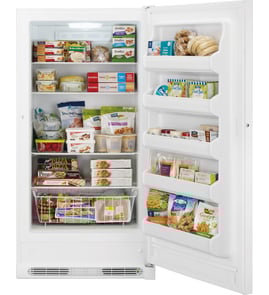



Is it worth repairing an upright freezer?
Yes, repairing a Gladiator upright freezer like model GAFZ30FDGB04 is worth it when the problem is a wear item (door seal, fan, hinge hardware) or a single failed component; those repairs typically restore normal freezing for far less than replacement.
Quick way to decide
We use these checkpoints to judge repair value before buying parts:
- Cooling problem is minor: warm temps caused by a door not sealing, heavy frost, or a noisy fan is usually a good repair candidate.
- Unit is otherwise in good shape: cabinet is solid, shelves and liner are intact, and the door closes square.
- Symptoms point to one part: for example, loud fan noise or no airflow often points to the evaporator fan area.
- No sealed-system diagnosis needed: sealed-system work (refrigerant, compressor, brazing) is higher cost and usually technician-only.
- You can confirm basics first: power, airflow, and door seal checks can prevent unnecessary part swaps.
Common repairs and what they usually mean
Here is a practical comparison for an upright freezer repair decision:
| What you notice | Likely area | Typical repair difficulty | Often worth it? |
|---|---|---|---|
| Frost buildup, door hard to close, temps drift | Door seal/air leaks | Easy to moderate | Yes |
| Rattling or grinding inside, weak airflow | Evaporator fan | Moderate | Yes |
| Door sagging or rubbing | Hinge/thimble hardware | Easy | Yes |
| Runs but will not get cold, or trips breaker | Sealed system or compressor | High | Sometimes |
Model-specific examples of parts we commonly see tied to these symptoms include the refrigerator door gasket (black) W11102846 for air leaks and the refrigerator evaporator fan blade WP2169142 for fan noise or vibration.
What to check before you order parts
- Make sure the door closes fully and the gasket is making contact all the way around.
- Look for heavy frost on the back interior panel (airflow restriction).
- Listen for the evaporator fan: it should run smoothly without scraping.
- Confirm the freezer is level and not rocking (door alignment matters).
- Clean dust from vents and keep packages from blocking airflow.
Why it matters
An upright freezer depends on tight door sealing and steady airflow across the evaporator; small air leaks or a failing fan can cause temperature swings, frost buildup, and longer run times. Fixing those issues early helps protect food quality and reduces energy waste.
If you decide to move forward, you can order GAFZ30FDGB04 replacement parts from the parts list for this model, or search by model number on Sears PartsDirect.
Last updated: February 2026
Are gladiator freezers good?
Gladiator upright freezers like model GAFZ30FDGB04 are a solid choice when you want garage-friendly storage, easy access, and strong organization features; overall performance is typically very good when the door seals tightly and airflow stays clear. Long-term satisfaction depends most on installation conditions, door gasket condition, and keeping the evaporator fan area frost-free.
What “good” usually means for this Gladiator upright freezer
When customers ask if a freezer is “good,” we focus on the things that most affect day-to-day use:
- Temperature stability: consistent freezing with minimal warm-ups
- Usable space: shelves and bins that actually help you organize
- Ease of access: features like a foot pedal and smooth door operation
- Garage performance: handling cooler ambient temps better than many kitchen-only units
- Reliability basics: tight door seal, good airflow, and normal compressor run patterns
Quick checks that make a big difference in real-world performance
These steps prevent the most common “it’s not freezing right” complaints (soft food, frost buildup, long run times):
- Confirm the freezer is level so the door closes firmly every time.
- Keep packages from blocking interior vents so cold air can circulate.
- Inspect the door seal for gaps, tears, or hard spots; replace if it is not sealing.
- Clean light frost before it becomes heavy ice that restricts airflow.
- Listen for the evaporator fan; if airflow is weak, check the fan blade and fan area.
If you need a model-matched seal, we list the correct gasket for this unit as the refrigerator door gasket (black) W11102846.
Common symptoms and what they usually point to
| Symptom | Most common cause | What to check first |
|---|---|---|
| Frost/ice around the door | Air leak at the seal | Door gasket fit and door alignment |
| Food softening | Poor airflow or warm air leak | Vents clear, door closing, frost buildup |
| Loud fan noise | Fan blade rubbing ice or damaged | Fan area for ice, blade condition |
| Runs a lot | Warm room, frequent openings, seal leak | Room temp, loading habits, gasket |
For airflow-related noise or poor circulation, the refrigerator evaporator fan blade WP2169142 is one of the parts we commonly see involved.
Why it matters
A tight door gasket and clear airflow protect food quality and reduce compressor workload. That means fewer temperature swings, less frost, and better long-term performance from your Gladiator all freezer.
For replacement parts for GAFZ30FDGB04, order directly from the parts list for this model, or search by model number on Sears PartsDirect.
Last updated: February 2026
What is the average life expectancy of an upright freezer?
Most upright freezers, including the Gladiator GAFZ30FDGB04 upright freezer, typically last 15 to 20 years with normal home use and basic maintenance (clean airflow, good door seal, and stable temperatures).
What affects upright freezer lifespan
A freezer’s sealed refrigeration system is built to run for years, but a few common issues shorten life:
- Poor door sealing that lets warm, moist air in (leads to frost and longer run times)
- Restricted airflow around the cabinet or inside the evaporator area
- Dirty condenser area (where applicable) that raises operating temperatures
- Overloading shelves so air cannot circulate
- Power problems (frequent outages or surges)
Maintenance that helps you reach 20 years
These steps reduce compressor run time and prevent frost and temperature swings:
- Keep the freezer reasonably full (but not packed tight) for stable temps
- Confirm the door closes easily and stays closed; replace a worn gasket such as the refrigerator door gasket (black) W11102846
- If you see heavy frost or warm spots, check the evaporator fan area; a damaged blade like the refrigerator evaporator fan blade WP2169142 can reduce airflow
- Keep vents and shelves clear so cold air can circulate
- Level the cabinet so the door aligns and seals consistently
Quick “is it worth repairing?” guide
| What you’re seeing | Common cause | Typical next step |
|---|---|---|
| Frost buildup, door hard to shut | Door not sealing | Inspect/replace door gasket |
| Warm temps, fan noise, uneven cooling | Airflow problem at evaporator | Inspect fan blade and fan motor |
| Runs constantly, poor freezing | Cooling system working too hard | Improve airflow, check sealing, then diagnose controls |
Why it matters
A freezer that seals well and moves air correctly runs fewer hours per day; that reduces wear on the compressor and control components, and it keeps food at safer, more consistent temperatures.
If you’re planning a repair, we list model-matched parts for GAFZ30FDGB04 on this page, and you can also search by model number on Sears PartsDirect.
Last updated: February 2026
What is the most common freezer problem?
The most common problem we see in a Gladiator GAFZ30FDGB04 upright freezer is poor cooling caused by restricted airflow, usually from frost buildup on the evaporator area or a door that is not sealing tightly. These issues lead to temperature swings, longer run times, and freezer burn.
Most common symptoms (and what they usually mean)
- Freezer is warm but the compressor runs a lot: airflow is blocked by frost or the evaporator fan is not moving air.
- Heavy frost on the back wall or inside panel: defrost system is not clearing ice, so air cannot circulate.
- Food is soft in some spots and rock-hard in others: uneven airflow, often tied to frost or a weak fan.
- Moisture, ice, or frost near the door opening: door is leaking air.
- Door feels hard to close or pops open: gasket is warped, dirty, or not seated.
Quick checks you can do first
- Confirm the control is set for normal freezing (target is 0°F).
- Make sure vents inside are not blocked by packages.
- Inspect the door seal for gaps, rips, or areas that do not contact the cabinet.
- Look for frost patterns on the interior rear panel (a strong clue of airflow or defrost trouble).
- Listen for the evaporator fan; it should run when the freezer is calling for cooling.
Parts that commonly fix airflow and sealing problems
If your symptoms match, these model-compatible parts are common solutions:
- Door not sealing, frost around the opening: refrigerator door gasket (black) W11102846
- Fan noise, weak airflow, warm temps: refrigerator evaporator fan blade WP2169142 (also inspect the fan motor and ice buildup)
Symptom-to-part guide
| Symptom | Most likely issue | Part to check first |
|---|---|---|
| Frost near door, sweating, ice at edges | Air leak at door | Refrigerator door gasket (black) W11102846 |
| Warm temps with little airflow | Fan not moving air or blocked by ice | Refrigerator evaporator fan blade WP2169142 |
| Heavy frost behind rear panel | Defrost problem (heater/control/sensor) | Check defrost components and wiring |
Why it matters
Air leaks and restricted airflow force the compressor to run longer, which increases energy use and makes it harder to hold 0°F. Fixing the seal or airflow early helps protect food quality and reduces strain on sealed-system components.
You can order replacement parts for your GAFZ30FDGB04 from the parts list for this model, or search by model number on Sears PartsDirect.
Last updated: February 2026
What are the parts of a freezer that won't freeze?
On the Gladiator GAFZ30FDGB04 upright freezer, a “won’t freeze” problem usually comes from lost airflow, warm air leaking in, or a cooling control or sealed-system issue. The most common parts involved are the evaporator fan system, door gasket, control components, and compressor system.
Parts to check first
- Evaporator fan motor and fan blade (moves cold air through the cabinet)
- Door gasket (keeps warm, moist air out)
- Temperature sensor or control (tells the compressor and fan when to run)
- Sealed system components (compressor, drier, evaporator, refrigerant lines)
- Air passages and covers (ice or blockage can stop circulation)
Quick checks before replacing parts
- Set the control colder and allow 24 hours for temperatures to stabilize.
- Listen for the evaporator fan when the compressor is running; no fan noise often means an airflow failure.
- Check the door seal with the paper test; the paper should drag when you pull it out.
- Look for heavy frost on the rear interior panel; that points to an airflow or defrost-related restriction.
- Confirm vents are not blocked by food packages.
Symptom-to-part guide
| What you notice | Most likely area | What it points to |
|---|---|---|
| Compressor runs, inside stays warm | Evaporator fan/airflow | Cold air not circulating |
| Frost blanket on back wall | Airflow restriction | Ice buildup blocking airflow |
| Moisture, sweating, weak freezing | Door seal | Warm air leak |
| Runs a lot, never reaches temp | Sealed system or control | Cooling capacity or control issue |
Model-matched parts on this page
- Refrigerator door gasket (black) W11102846 (prevents air leaks)
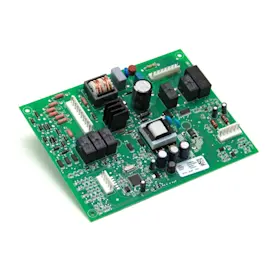
- Control assembly W11580520 (manages cooling functions)
- Compressor (also order the following lokring parts) W11578208 (sealed system cooling)
Why it matters
Matching the symptom (airflow, frost pattern, or air leak) to the right system helps prevent unnecessary part replacement and gets the freezer back to safe food temperatures faster.
Order replacement parts from the model parts list, or search by model number on Sears PartsDirect.
Last updated: February 2026