View engine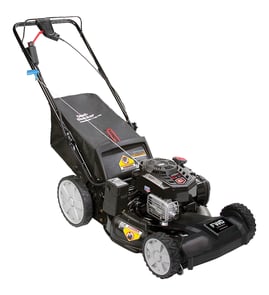

Should I use 87 or 89 gas for lawn mower?
For your Craftsman rotary lawn mower model 917377361, use 87-octane (regular) unleaded gasoline; higher octane such as 89 does not improve performance in most walk-behind mower engines. Keep ethanol at 10% or less (E10 max) and use fresh fuel to prevent hard starting and rough running.
What to use (quick guide)
- Octane: 87 (regular)
- Ethanol: E10 or less
- Fuel freshness: Use within about 30 days (or treat with stabilizer)
- Storage: Store in an approved fuel can, tightly sealed
- Mixing: Do not mix oil with gas unless your engine is a 2-cycle (most are 4-cycle)
When 89 might make sense
89-octane is typically unnecessary. It only helps if your engine specifically calls for higher octane due to knocking or a high-compression design. For most Craftsman walk-behind mowers, the bigger issue is stale fuel or too much ethanol, not octane.
Fuel problems that look like “wrong octane”
If the mower surges, stalls, or is hard to start, check these common causes first:
- Old gas (varnish smell, dark color)
- Water in fuel (won’t stay running)
- Dirty carburetor or clogged fuel passages
- Restricted airflow (dirty filter)
- Dull blade overloading the engine (bogging in thick grass)
Helpful comparisons
| Fuel choice | OK to use? | Why |
|---|---|---|
| 87 octane, E10 or less | Yes | Best match for most small 4-cycle mower engines |
| 89 octane, E10 or less | Yes, but unnecessary | Costs more; usually no benefit |
| Any octane with more than 10% ethanol | No | Increases starting and running problems in small engines |
| Old/stale gas | No | Causes hard starting, surging, and stalling |
Why it matters
Using the right fuel helps your 917377361 start easier, run smoother, and reduces carburetor issues during the mowing season and after storage.
If you’re servicing the cutting system at the same time, a sharp, correct blade also reduces engine strain; see the lawn mower mulching blade 532406713 and our guide on how to sharpen a lawn mower blade.
Last updated: February 2026
Is it okay to pull a self-propelled mower backwards?
Yes. With a Craftsman walk-behind mower like model 917377361, it’s generally fine to pull the mower backward; the self-propel drive wheels typically freewheel or disengage when you roll it back, so you’re not forcing the drive system.
Best practices when backing up
- Release the self-propel/bail lever before pulling backward.
- Back up slowly; avoid yanking the mower to prevent handle and cable strain.
- If the wheels feel “locked,” stop and roll forward a few inches, then try again.
- Keep the engine at idle or shut it off if you’re maneuvering in tight spaces.
- Avoid backing up over tall, wet grass that can pack under the deck.
When pulling backward can cause problems
If backing up feels hard or makes grinding/clicking noises, the drive system may be binding. Common causes include a worn belt, debris in the drive area, or worn gears.
| What you notice | Likely cause | What to check next |
|---|---|---|
| Mower is hard to pull backward | Drive not fully disengaging | Cable routing and lever return; drive linkage movement |
| Clicking/grinding from wheel area | Worn wheel drive gear | Inspect wheel gear teeth and axle area |
| Mower won’t move well forward either | Slipping or stretched drive belt | Check belt condition and pulley alignment |
If you’re troubleshooting drive issues, the lawn mower wont move troubleshooting video motion drive failure walks through the most common self-propel problems.
Parts that commonly affect self-propel movement
These are model-related parts we often see involved in “won’t move” or binding symptoms:
- Belt 532157769 (drive belt kit)
- Walk-behind lawn mower engine pulley 582940301 (pulley wear can affect belt tracking)
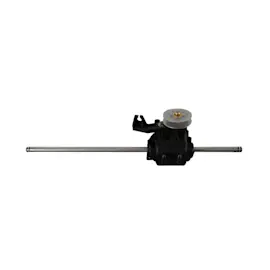
- Lawn mower drive pinion gear 532137054 (wheel drive engagement)
- Gear 532137050 (drive gear components)
Why it matters
Pulling backward the right way prevents unnecessary wear on the self-propel drive, helps the belt and gears last longer, and reduces the chance of bending linkages or stretching the drive cable.
Last updated: February 2026
What are the common problems with Craftsman lawn mowers?
Common problems on the Craftsman 917377361 gas walk-behind mower are no-start conditions (fuel, spark, air), rough running (dirty carburetor or stale gas), poor cutting (dull or damaged blade), and self-propel issues (worn belt or drive parts). We troubleshoot fastest by checking the basics first.
Quick checks (fastest wins)
- Use fresh gasoline; drain old fuel if it smells sour or looks dark.
- Confirm the spark plug wire is firmly connected.
- Check the air filter; replace if dirty or oil-soaked.
- Verify oil level is correct; overfilled oil can cause hard starting and smoke.
- Make sure the blade control bar is held tight against the handle (engine brake released).
Symptom-to-cause guide
| Symptom | Most common causes | What to do first |
|---|---|---|
| Won’t start | Stale fuel, dirty carburetor, fouled spark plug, clogged air filter | Replace fuel, clean air path, check spark |
| Starts then dies | Carburetor varnish, fuel cap vent issue, debris in fuel | Try fresh fuel; clean carburetor |
| Cuts unevenly | Dull/bent blade, deck packed with grass, wrong height | Clean deck; inspect blade |
| Vibrates badly | Bent blade, loose blade adapter, debris wrapped on shaft | Stop engine; inspect blade and adapter |
| Won’t self-propel | Worn/slipping belt, drive gear wear, cable out of adjustment | Inspect belt and drive parts |
Parts that commonly fix cutting and drive problems
If you find wear or damage during inspection, these model-matched parts are common solutions:
- Replace a bent or badly worn blade with the lawn mower mulching blade 532406713.
- If the blade won’t tighten securely or the blade slips, inspect the lawn mower blade adapter 581547901.
- For self-propel slipping or no movement, check the drive belt and replace the belt 532157769 if glazed, stretched, or cracked.
Why it matters
Running with stale fuel, a clogged air filter, or a damaged blade makes the engine work harder, increases vibration, and can accelerate wear on the crankshaft, blade adapter, and drive system.
Helpful DIY guidance
For safe blade service steps and tool tips, follow our lawn mower blade removal tool article.
Last updated: February 2026
Is it cheaper to repair or replace a lawn mower?
For a Craftsman rotary lawn mower model 917377361, it’s cheaper to repair when the problem is routine wear (blade, belt, wheels, fasteners) or a basic tune-up. Replacement makes more sense when the engine or drive system needs major work and the repair total is around half the cost of a comparable new mower.
Quick rule we use
- Repair if the mower starts reliably and the fix is a bolt-on part or maintenance item.
- Replace if the engine has low compression, heavy smoking, or repeated no-start issues after fuel and ignition checks.
- Replace if the self-propelled drive needs multiple expensive components at once (belt, gears, pulleys, cable) and the mower is already worn overall.
Common repairs that are usually worth it
These are typical, cost-effective fixes for this walk-behind mower style:
- Replace a worn or bent blade (better cut, less vibration).
- Replace a stretched or slipping drive belt.
- Replace worn wheels, dust covers, or height adjuster hardware.
- Tighten or replace missing fasteners (nuts, washers, E-rings).
- Clean the deck and keep clippings from packing underneath.
If you’re dealing with a dull or damaged blade, a direct-fit option for this model is the lawn mower mulching blade 532406713.
Repair vs. replace cost checklist
Use this to decide before you buy parts:
| What you found | Typical direction | Why |
|---|---|---|
| Blade is dull, mower vibrates, cut looks ragged | Repair | Low parts cost, big performance gain |
| Self-propel slips but engine runs strong | Repair | Often belt or pulley related |
| Engine smokes, knocks, or won’t stay running after basic tune-up | Replace | Major engine work is rarely economical |
| Multiple drive parts worn (belt + gears + cable) | Replace | Costs add up quickly |
Why it matters
A mower that’s mechanically sound but cutting poorly usually needs maintenance parts, not a whole replacement. Fixing wear items restores cut quality and reduces strain on the crankshaft, blade adapter, and drive system.
Helpful DIY guidance
For safe blade service and to avoid rounding hardware:
- Use a blade-holding method and correct wrench size.
- Tip the mower the correct direction to prevent fuel or oil spills.
- Inspect the blade adapter and mounting hardware when the blade is off.
Our guide on how to sharpen a lawn mower blade helps you decide whether sharpening is enough or replacement is the better move.
Last updated: February 2026
Why is my lawn mower surging then dies?
On our Craftsman rotary lawn mower model 917377361, surging followed by stalling is caused by a fuel or air-delivery problem: stale gas, a partially clogged carburetor jet, a restricted air filter, or an intake air leak that makes the engine run lean. Start with the quick checks first.
Quick checks (fastest fixes first)
- Drain old fuel and refill with fresh gasoline.
- Loosen the fuel cap briefly while it’s running; a plugged cap vent can starve fuel and kill the engine.
- Check the air filter and intake path for heavy dirt or grass buildup.
- Inspect the fuel line and primer bulb (if equipped) for cracks, soft spots, or loose connections.
- Verify the carburetor mounting bolts are snug; a loose carburetor can create a vacuum leak.
Most common causes and what you’ll notice
| What you notice | Most likely cause | What to do next |
|---|---|---|
| Surges at idle, then dies | Carburetor passages partially clogged | Clean carburetor and jets; replace carburetor if cleaning fails |
| Runs 30 to 90 seconds, then stalls | Fuel cap venting issue or fuel restriction | Test with cap loosened; confirm steady fuel flow |
| Won’t stay running unless you choke it | Lean condition (air leak or clogged main jet) | Check intake seals; clean carburetor |
| Surges in tall or wet grass | Overload from cutting system drag | Reduce cutting height, clean deck, sharpen blade |
When the cutting system contributes
A dull blade or heavy deck buildup can overload the engine and make RPM “hunt,” especially in thick grass.
- Replace a worn blade with the lawn mower mulching blade 532406713.
- If the blade slips or won’t stay tight, inspect and replace the lawn mower blade adapter 581547901.
Why it matters
Surging is the engine repeatedly going lean then recovering. Fixing the fuel/air issue restores stable RPM, improves power, and prevents repeated stalling.
For step-by-step surging diagnosis, use our how to keep lawn mower gas from going bad guide.
Last updated: February 2026