


What is the best snowblower for seniors?
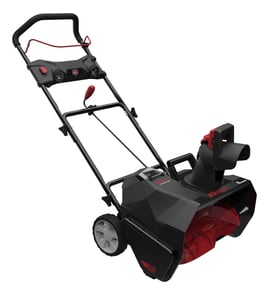
For most seniors, the best choice is a lightweight electric or battery snowblower that starts easily, steers with minimal effort, and matches typical snowfall depth. Since the Noma model 3156 is a 14-inch electric snow shovel, it fits best for smaller areas and lighter snow where low weight matters most.
What to look for (senior-friendly features)
- Easy start: push-button electric or battery start (no pull cord)
- Low weight: easier lifting, turning, and storage
- Clearing width that matches the job: smaller widths for sidewalks and decks; wider for long driveways
- Ergonomic handle height and grip: reduces back and wrist strain
- Simple controls: fewer levers and adjustments
- Good traction and balance: especially important on sloped walks
Match the machine to your snow conditions
A 14-inch electric snow shovel like the Noma 3156 is ideal for quick cleanups on flat surfaces, but it is not the best tool for heavy, wet snow or deep end-of-driveway plow piles.
| Snow condition | Best style for seniors | Why it helps |
|---|---|---|
| Light, powdery snow (a few inches) | Electric snow shovel or single-stage | Light weight, easy handling |
| Moderate snow on sidewalks/short driveways | Single-stage electric or battery | Faster clearing with manageable size |
| Heavy, wet snow or frequent deep snow | Two-stage with self-propel | Less pushing force, better bite |
Why it matters
The “best” snowblower for seniors is the one that reduces pushing, pulling, and lifting. Choosing the right size and drive type helps prevent strain while still clearing snow efficiently.
Parts tip for keeping your snowblower safe and tight
If your handle, housing, or guards feel loose, check fasteners and replace missing hardware with the correct part. For this model, we list the screw 901696MA as an in-stock replacement option.
Last updated: February 2026
Are battery-powered snowblowers worth it?
Yes; battery-powered snowblowers are worth it when you want quick starts, low maintenance, and quieter operation for lighter snow on small to medium areas. For deep, wet, or icy snow, a corded electric unit like the Noma 3156 14" electric snow shovel (or a gas model) typically clears more consistently.
When a battery snowblower is a good buy
Battery models shine when your snow-clearing needs match their strengths:
- You clear sidewalks, decks, patios, and short driveways
- Typical snowfall is light to moderate (powdery snow)
- You want push-button starting and no fuel mixing
- You prefer lower routine upkeep (no oil changes, fewer tune-ups)
- You need lower noise for early or late use
When battery models disappoint
These are the most common deal-breakers for cordless snowblowers:
- Heavy, wet snow and plow-packed berms reduce throwing distance
- Run time is limited; cold temperatures shorten battery performance
- Deep snow often requires multiple passes and slower feed rate
- Replacement batteries add cost if you need longer sessions
Quick comparison: battery vs corded electric vs gas
| Type | Best for | Main limitation |
|---|---|---|
| Battery-powered | Light to moderate snow; convenience | Run time and heavy-snow performance |
| Corded electric (like Noma 3156) | Consistent power near an outlet | Cord management and outlet reach |
| Gas | Deep, heavy snow; large areas | More maintenance, noise, storage needs |
What to check before you decide
Use this checklist to pick the right style for your property and snowfall:
- Average snow depth you clear most storms (not the worst storm of the year)
- Total area and time you want to finish in one session
- Whether you have outdoor outlets and a heavy-duty extension cord (corded electric)
- Storage temperature (warm storage helps batteries)
- Availability of wear and fastener parts for upkeep (for example, a missing housing fastener can stop safe operation; see screw 901696MA)
Why it matters
Choosing the right power type prevents mid-storm frustration. Battery units win on convenience, but corded electric and gas options usually deliver steadier clearing when snow is dense, deep, or packed.
Last updated: February 2026
Do electric snowblowers have enough power?
Yes. For a Noma 3156 14" electric snow shovel, electric power is typically enough for routine residential cleanup like light to moderate snowfall on decks, steps, and short driveways; performance drops in deep, heavy, or icy snow where slower passes are needed.
What “enough power” looks like in real use
Most electric snow shovels and single-stage electric units perform best when you:
- Clear snow early and often (before it packs down)
- Take narrower bites in deeper drifts
- Use steady forward pressure (do not force the auger)
- Keep the intake height level to avoid scraping gravel
- Let the tool throw snow; you guide it
Quick comparison: electric vs gas (typical)
| Feature | Electric snow shovel / electric single-stage | Gas two-stage |
|---|---|---|
| Best for | Light to moderate snow, smaller areas | Heavy, deep, wet snow; large driveways |
| Start-up | Instant | Fuel, choke, pull/e-start |
| Maintenance | Low (no oil changes) | Higher (fuel system, oil, plugs) |
| Noise | Lower | Higher |
Why power can feel “low” (and what to check)
If your electric unit seems weak, the issue is often power delivery or drag, not the motor itself:
- Use a heavy-duty outdoor extension cord (corded models) and keep it as short as practical
- Avoid shared circuits with heaters or other high-draw tools
- Inspect the cord and plug for heat damage or looseness
- Check for packed snow/ice around the auger and chute area
- Tighten loose hardware so the housing does not flex under load (for example, a missing fastener)
If you need a replacement fastener used on this model, match it by location and diagram; the parts list includes items like the screw 901696MA.
Why it matters
Choosing the right tool power level prevents overload trips, reduces wear on the auger area, and makes clearing safer and faster, especially when snow is wet or has been driven over.
Last updated: February 2026
How long does an electric snow blower last?
Most electric snow blowers and electric snow shovels like the Noma 3156 (14" electric snow shovel) typically last 5 to 10 years with normal seasonal use and basic maintenance. Lifespan depends most on how hard the motor works (snow depth and wet/heavy snow) and how well the cord, switches, and fasteners are kept in good shape.
Typical lifespan ranges (what to expect)
- Electric snow shovel / small corded units: 5 to 10 years
- Heavier-duty corded electric snow blowers: 7 to 12 years
- Battery-powered electric units: 5 to 10 years (battery life often drives total ownership life)
| What wears out first | What you’ll notice | What to do |
|---|---|---|
| Power cord or plug | Intermittent power, heat at plug, visible nicks | Replace damaged cord; avoid using until repaired |
| Switches and wiring | Won’t start, starts then stops | Inspect connections; test with a meter |
| Fasteners and housings | Rattling, loose handle or chute parts | Tighten or replace missing hardware |
| Motor (overload) | Burning smell, weak throwing, frequent trips | Reduce load; clear jams; check for binding |
How to make your Noma 3156 last longer
- Clear packed snow and ice after each use; don’t store it with snow frozen inside.
- Avoid forcing it into deep, wet snow; take smaller passes to reduce motor strain.
- Use a heavy-duty outdoor extension cord sized for the run length; undersized cords cause voltage drop and overheating.
- Inspect and tighten hardware at the start of the season; replace stripped or missing screws.
- If it stops suddenly, unplug it and check for a jam before restarting.
If you need replacement hardware for your Noma 3156, we list model-matched parts such as the screw 901696MA.
Why it matters
A 5 to 10 year lifespan is normal for electric snow equipment, but overloads and electrical issues can shorten it quickly. Keeping wiring safe and the unit mechanically tight helps prevent nuisance shutdowns and protects the motor.
Last updated: February 2026
Which snow blowers are made in the USA?
Some snow blowers are made in the USA, but it varies by brand and even by model line. Your Noma model 3156 is a 14" electric snow shovel, and “made in USA” status is something you confirm on the unit’s rating label or the carton, not by snowblower type alone.
Brands and product lines that commonly have U.S.-made options
When you shop, look for clear “Made in USA” or “Assembled in USA” labeling and verify the specific model number.
- Ariens: many models are built in the U.S. (often associated with Wisconsin manufacturing)
- Toro: many models are built in the U.S. (varies by series)
- Honda: some snowblower production has been associated with U.S. assembly for certain models (varies by year and line)
- Commercial and tractor-attachment snow blowers: often have U.S.-built options, depending on the manufacturer
How to verify “Made in USA” for a specific snowblower
Use these checks so you do not rely on brand reputation alone:
- Check the product carton and the machine’s rating label for country-of-origin wording
- Look for “Made in USA” vs “Assembled in USA” (they are not the same)
- Confirm the exact model number and series name before buying parts or accessories
- Ask for the country-of-origin statement on the invoice or spec sheet
- If you already own the unit, record the model and serial information before ordering parts
Quick comparison: what the labels usually mean
| Label wording | What it typically indicates | What to do next |
|---|---|---|
| Made in USA | Final product manufacturing in the U.S. (per the brand’s labeling) | Confirm on the unit label and packaging |
| Assembled in USA | Final assembly in the U.S. with mixed-origin parts | Confirm which major components are imported |
| Imported | Built outside the U.S. | Verify parts availability by model number |
Why it matters
Country-of-origin does not automatically equal performance, but it can affect parts sourcing, lead times, and long-term serviceability. For your Noma 3156, the most important step is matching parts to the exact model so fasteners and hardware fit correctly.
If you need a common replacement fastener for this model, we list options like the screw 901696MA.
Last updated: February 2026