Owner’s manual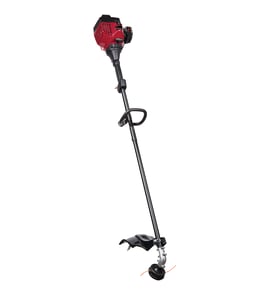



Which is better, .080 or .095 trimmer line?
For the Cub Cadet CC3075, neither .080 nor .095 is the best choice; this trimmer is designed to use 0.105 in (2.67 mm) line, which helps prevent overheating and poor cutting performance. For other trimmers, .080 is typically light-duty and .095 is typically heavier-duty.
What we recommend for CC3075
The CC3075 operator guidance calls for 0.105-inch replacement line. Using smaller line can reduce durability and cutting power; using the wrong type can also contribute to overheating.
- Use 0.105 in (2.67 mm) trimmer line for normal trimming and edging
- Avoid metal-reinforced line, wire, chain, or rope (projectile hazard)
- Keep the line fully extended; short line makes bump-feed harder
- Do not alter or remove the line cutting blade on the shield
- Tap the bump knob on bare ground or hard soil to feed line (not in tall grass)
Reference: CC3075 owner's manual
.080 vs .095: when each size makes sense (general guidance)
If you are choosing line for a different trimmer (or an attachment that specifies those sizes), here is the practical difference:
| Line diameter | Best for | Tradeoffs |
|---|---|---|
| 0.080 in | Light grass, routine edging, lighter trimmers | Breaks faster in thick weeds and around fences |
| 0.095 in | Thicker grass, heavier weeds, more power | More load on the head; can reduce runtime on smaller units |
Why it matters
Line diameter affects cutting efficiency, vibration, and engine load. On gas trimmers like the CC3075, the correct line size helps the clutch and cutting head run at the intended load so you get cleaner cuts and fewer stalls.
Last updated: February 2026
Can I use .095 trimmer line in a .080 trimmer?
Yes, but we do not recommend it for the Cub Cadet CC3075 if your trimmer is set up for .080 inch line. Thicker .095 line increases load on the clutch and engine, can make bump-feed harder, and can contribute to overheating; use the line size specified in the owner's manual.
What the CC3075 manual says about line size
Our CC3075 documentation specifies 0.105 in (2.67 mm) replacement line and warns that using line other than the specified size can cause the engine to overheat or fail.
What can happen if you go thicker than the trimmer is designed for
Using a larger diameter line than the head and engine are designed to spin can cause:
- Slower line speed and poorer cut quality in normal grass
- Harder bump-feed (line may not release smoothly)
- Excessive vibration and faster wear on the spool/head parts
- Clutch overheating (especially if excess line is left too long)
- Higher fuel use and more frequent stalling in heavy growth
Quick compatibility check (typical guidance)
Use this as a practical rule of thumb when choosing line.
| Line diameter | Typical use | Common tradeoff |
|---|---|---|
| .080 in | Light trimming | Easier on the engine, shorter line life |
| .095 in | Medium weeds | More load, may reduce bump-feed performance |
| .105 in | Heavier trimming (often gas trimmers) | Highest load; must match the head spec |
Best practice for the CC3075
For the most reliable bump-feed and to protect the clutch and engine:
- Use the specified 0.105 in line for this model
- Keep the line at the correct length; the shield blade trims excess
- Tap the bump knob on bare ground at high speed to advance line
- Do not rest the bump head on the ground while the unit is running
- Never use metal-reinforced line, wire, chain, or rope
Why it matters
Line diameter directly affects engine load and clutch temperature. Matching the specified line size helps the CC3075 maintain proper RPM, prevents clutch overheating, and keeps the bump-feed working smoothly.
Last updated: February 2026
How to replace the head on a string trimmer?
On the Cub Cadet CC3075, you typically remove the bump knob to open the bump head, then lift out the inner reel/spring so you can reinstall line or swap the bump assembly. Follow the disassembly order in the CC3075 owner's manual to avoid cross-threading or damaging the spool.
Before you start (safety and setup)
- Shut the engine off and let it cool completely.
- Disconnect the spark plug wire so the trimmer cannot start.
- Wear eye protection and gloves; the string cut-off blade is sharp.
- Work on a clean bench so the spring and small parts do not get lost.
- If the head is packed with debris, clean it before disassembly.
Basic head removal and reassembly steps (bump head style)
- Hold the outer spool (head housing) firmly.
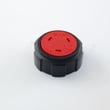
- Unscrew the bump knob clockwise to remove it (this model uses a reverse-thread style knob per the manual).
- Pull the inner reel out of the outer spool; remove the spring.
- Inspect the bolt inside the bump knob; it should move freely. Replace the knob if it is damaged.
- Reinstall the spring and inner reel, then thread the bump knob back on and tighten snugly.
If you are replacing line while the head is apart
The CC3075 uses 0.105 in. (2.67 mm) trimmer line. Using the correct diameter helps prevent overheating and poor feeding.
- Wind line in the direction shown on the inner reel
- Wind in tight, even layers (do not overlap)
- Keep the line fully extended during use; bumping releases about 1 inch (25.4 mm) each time
Common problems after replacing the head (quick checks)
| Symptom | Most likely cause | What to do |
|---|---|---|
| Line will not feed | Line wound the wrong direction | Rewind to match reel arrows |
| Line feeds but is too long | Shield blade not trimming | Check the string cut-off blade area for damage or blockage |
| Head binds or feels gritty | Dirt in spool or damaged parts | Clean spool; inspect knob/bolt and reel |
| Engine stalls when bumping | Bumping in tall grass | Tap bump knob on bare ground or hard soil |
Why it matters
Correct head assembly keeps the line feeding smoothly and prevents damage to the cutting attachment, shield, and drive components. It also reduces stalling when you bump-feed line.
Last updated: February 2026
How to string a cub cadet string trimmer?
To restring your Cub Cadet CC3075 gas line trimmer, we install new cutting line onto the inner reel in tight, even layers in the direction shown on the reel, then reassemble the cutting head so the line can feed correctly. For the exact steps and diagrams, use the owner's manual.
Before you start (quick safety and setup)
- Shut the engine off and let the cutting head stop completely.
- Disconnect the spark plug wire so the trimmer cannot start accidentally.
- Clean grass and debris off the cutting head so the reel seats properly.
- Use the correct diameter line recommended for your cutting attachment.
- Replace brittle or cracked parts in the head before restringing.
Restringing steps (two common line styles)
Your CC3075 cutting head may be set up for either a looped “single line” load or a “SplitLine” style load. The key is using the correct length and winding direction.
Single line (looped) installation
- Cut about 20 ft (6 m) of new trimming line.
- Fold it in half to make two equal lengths.
- Insert both ends through the two holes in the inner reel; pull until the loop is as small as possible.
- Wind both lines in tight, even layers in the direction indicated on the inner reel.
- Keep the lines separated as you wind so they do not overlap.
SplitLine installation
- Cut about 10 ft (3 m) of new trimming line.
- Feed one end through a hole in the inner reel; pull through until about 4 in remains outside.
- Insert the end into the open hole to form a small loop.
- Split the line back about 6 in.
- Wind in tight, even layers in the direction indicated on the inner reel.
Line length and winding direction (why it matters)
If the line is too long or wound the wrong way, the head can jam, feed poorly, or cut unevenly. Winding in the reel’s marked direction keeps the bump-feed mechanism working as designed.
Quick troubleshooting after restringing
| Symptom | Most likely cause | What to do |
|---|---|---|
| Line will not advance | Line wound backwards or overlapped | Rewind in the indicated direction; keep layers even |
| Line feeds but breaks quickly | Line too thin, old, or nicked | Use fresh line of the correct diameter |
| Head binds or vibrates | Debris in head or mis-seated reel | Clean and reseat reel and cap |
| Bump feed feels “dead” | Worn bump components | Inspect and replace the bump assembly if needed |
Last updated: February 2026