


What is a centralized air conditioning system?
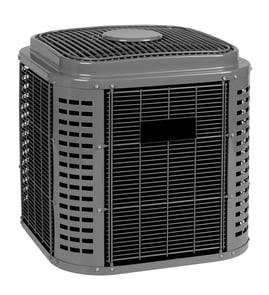
A centralized (central) air conditioning system cools air at one main outdoor and indoor equipment set, then distributes that cooled air through ductwork to multiple rooms. For Icp model CA5030VKB1, the outdoor condenser is a key part of that system’s heat-removal process.
How a central AC system works (simple overview)
A typical split central air conditioner has two main sections that work together:
- Outdoor unit (condenser): releases heat outside using the condenser coil and condenser fan
- Indoor unit (evaporator coil): absorbs heat from indoor air
- Refrigerant lines: move refrigerant between indoor and outdoor sections
- Ductwork and vents: deliver cooled air throughout the home
- Thermostat and controls: tell the system when to run
What “centralized” means in practice
Centralized cooling means you are not cooling each room with separate window units. Instead, one system conditions the air and distributes it.
| Feature | Central AC (centralized) | Room-by-room units |
|---|---|---|
| Cooling source | One main system | Multiple separate units |
| Air delivery | Ducts and registers | Directly into one room |
| Comfort balance | More even across rooms | Varies room to room |
| Typical service parts | Contactor, capacitor, fan motor | Fan motor, controls per unit |
Parts in the outdoor condenser that support centralized cooling
If the outdoor unit runs poorly, the whole home can feel warm because the system cannot reject heat efficiently. Common condenser-side parts include:
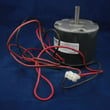
- Central air conditioner condenser fan motor, 1/3-hp 1050703 (moves air across the outdoor coil)
- Capcitor 12871 (helps start and run the compressor and or fan motor, depending on design)
- Fan blade 1085958 (pushes air through the condenser)
Why it matters
Central AC comfort depends on steady airflow and correct electrical starting components. When items like a capacitor, contactor, or condenser fan motor fail, the system may run but not cool well, trip breakers, or shut down on overload.
Last updated: February 2026
What is the most expensive part to replace on an AC unit?
On an Icp central air conditioner condenser like model CA5030VKB1, the most expensive single repair is typically the compressor (it is not listed in the parts shown here). Among the parts available for this model, the condenser fan motor is usually the highest-cost replacement.
What’s usually the priciest repair (and why)
The compressor is the “heart” of the outdoor unit; it pumps refrigerant and is labor-intensive to replace. When it fails, the repair often includes refrigerant recovery, brazing, evacuation, and recharge, which drives up total cost.
Most expensive parts you’ll commonly see on this model page
From the CA5030VKB1 parts list, these are typically the biggest-ticket items because they are major mechanical or electrical components:
- Central air conditioner condenser fan motor 1050892 (often the highest-priced item shown)
- Central air conditioner condenser fan motor, 1/3-hp 1050703 (high-cost motor option)
- Central air conditioner condenser fan motor mount 1051460 (less common, but can be pricey)
- Capacitors and contactors are usually much cheaper, but are frequent fixes
Quick cost comparison (parts shown for CA5030VKB1)
| Part type | What it does | Typical cost impact |
|---|---|---|
| Compressor (not shown here) | Pressurizes and circulates refrigerant | Highest overall repair cost |
| Condenser fan motor | Moves air across the outdoor coil | Highest part cost on many model pages |
| Contactor | Switches high voltage to the unit | Lower part cost, common failure |
| Capacitor | Helps start/run motors | Lower part cost, common failure |
How to decide whether a big repair is worth it
Use these checkpoints before investing in a high-cost repair:
- Age of the system: older units often make major repairs less practical.
- What failed: compressor failures are the costliest; fan motor failures are usually more manageable.
- Condition of the outdoor coil and wiring: heavy corrosion or burnt wiring can signal broader issues.
- Repeat breakdowns: multiple recent repairs point to declining reliability.
- Parts availability: confirm the exact replacement part for CA5030VKB1 before ordering.
Why it matters
Knowing the “most expensive part” helps you prioritize diagnosis. Many no-cool problems are caused by lower-cost electrical parts (capacitor, contactor) rather than the compressor, so accurate troubleshooting can prevent unnecessary replacement.
Last updated: February 2026
How much should a central air conditioner cost?
A central air conditioner system typically costs several thousand dollars installed; the final price depends on system size (tons), efficiency (SEER2), ductwork condition, electrical requirements, and local labor rates. For Icp model CA5030VKB1 (outdoor cooling condenser), the outdoor unit is only part of the total system cost.
Typical installed cost ranges
These are common U.S. price bands for a complete central AC installation (equipment plus labor).
- Budget install: $4,000 to $7,000
- Mid-range install: $7,000 to $12,000
- Premium/high-efficiency or complex install: $12,000 to $20,000+
What usually changes the price the most
- Capacity (tons): larger systems cost more and can require duct changes
- Efficiency (SEER2): higher efficiency increases equipment cost
- Ductwork: sealing, repairs, or resizing adds labor and materials
- Electrical work: disconnect, breaker, wiring, or service upgrades
- Refrigerant line set: replacement, long runs, or difficult access
- Job access: tight clearances, rooftop installs, or crane needs
Condenser-only vs. full system (quick comparison)
| Option | What it covers | When it makes sense |
|---|---|---|
| Outdoor condenser only | Replacing the outdoor unit and reconnecting lines | When the indoor coil is compatible and in good condition |
| Full system | Outdoor condenser plus matched indoor coil/air handler | When you want best efficiency, reliability, and component match |
| Add-on duct/electrical work | Duct repairs and electrical upgrades | When airflow or power supply is limiting performance |
Why it matters
Most of the cost is driven by installation scope, not just the outdoor unit. A lower equipment price can still lead to a higher total if ductwork, electrical, or refrigerant line work is needed.
Repair cost vs. replacement
If you are comparing repair cost to replacement, common repair items on outdoor condensers include fan motors and capacitors. For CA5030VKB1, examples include the central air conditioner condenser fan motor, 1/3-hp 1050703 and the capacitor 12969.
Last updated: February 2026
Is it cheaper to run an air conditioner or central air?
It’s cheaper to run whichever system cools the smallest area you actually need. For the Icp CA5030VKB1 central air conditioner, central air is typically more efficient per hour than a room unit, but cooling an entire home usually costs more than cooling one room.
Quick cost comparison (what usually wins)
- One room only: a window or portable AC usually costs less to run.
- Several rooms or whole home: central air usually costs less than running multiple room units.
- Short, occasional cooling: a single room unit often wins.
- Long, steady cooling: central air efficiency can win, especially with good insulation.
- Hot spots only (bedroom at night): a room unit can be the lowest-cost option.
What changes the answer the most
- Area cooled: whole house vs. one room
- Thermostat setting: each degree lower increases runtime
- Outdoor temperature and humidity: higher heat load means longer cycles
- Home tightness and insulation: air leaks and poor insulation increase runtime
- Airflow and cleanliness: restricted airflow and a dirty outdoor coil raise operating cost
- Equipment condition: weak electrical parts or a failing fan motor can increase power draw and reduce cooling
Simple rule-of-thumb table
| Scenario | Usually cheaper | Why |
|---|---|---|
| Cooling one bedroom | Room AC | Smaller load, shorter runtime |
| Cooling most of the home | Central air | Better distribution and efficiency |
| Two rooms far apart | Depends | One larger room unit vs. central runtime |
| Multiple room units | Central air | Several compressors add up |
Why it matters (efficiency vs. total load)
Central systems like the CA5030VKB1 are built to cool a larger space efficiently. If you only need comfort in one area, reducing the cooled footprint is the fastest way to cut energy use.
When a repair can lower operating cost
If the outdoor unit runs but cooling is weak, the condenser fan system and electrical starting components are common causes. For this model, parts that often affect performance include the capacitor 12969 and the central air conditioner condenser fan motor, 1/3-hp 1050703.
Last updated: February 2026
What is the life of central air conditioner?
Most central air conditioners, including the Icp CA5030VKB1 cooling condenser, last 15 to 20 years. Hitting the high end depends on keeping airflow and the outdoor coil clean and replacing common wear items (like the condenser fan motor and capacitor) when they start to fail.
Typical lifespan ranges
Use these benchmarks for a central A/C system:
- 15 to 20 years: typical lifespan with normal maintenance
- 10 to 15 years: heavy run time, restricted airflow, corrosion, or frequent short-cycling
- 20+ years: mild climate, correct sizing, clean coils, stable electrical supply
What to watch for as the unit ages
These symptoms usually show up as efficiency drops and electrical parts wear:
- Higher electric bills at the same thermostat setting
- Outdoor unit buzzing or rapid clicking when it tries to start
- Outdoor fan running slow, noisy, or not running
- Longer cooling cycles or weak cooling on hot days
| What you notice | What it usually points to | What to do next |
|---|---|---|
| Hard starts or humming at the outdoor unit | Weak capacitor | Test components; replace a failed capacitor 12969 |
| Fan stops, overheats, or won’t start | Condenser fan motor or airflow restriction | Check blade clearance and wiring; replace a failed central air conditioner condenser fan motor, 1/3-hp 1050703 |
| Rattling or vibration | Fan blade or mounting issue | Inspect and replace a damaged fan blade 1085958 or central air conditioner condenser fan motor mount 1051460 |
Why it matters
As a central A/C ages, efficiency usually drops first; then the condenser fan system and start components work harder. Replacing a failing capacitor, fan motor, blade, or mount promptly helps prevent a no-cool breakdown and extends overall system life.
Last updated: February 2026