Error Codes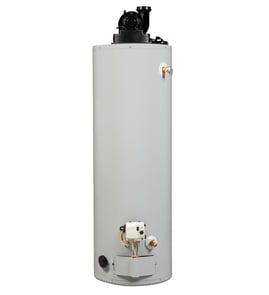



What is the average cost of replacing a gas hot water heater?
Replacing a gas water heater like the American FG2J5040T3NOV typically runs about $2,000 to $4,500 installed, with a broader real-world range of $1,200 to $6,000 depending on tank size, venting, gas-line work, and local labor rates.
What drives the total replacement price
- Tank size and efficiency (40 to 50 gallon tanks are often the baseline; larger or high-efficiency units cost more)
- Venting changes (draft hood, vent pipe sizing, chimney liner, power vent conversions)
- Gas piping and shutoff updates (adding a sediment trap, resizing pipe, relocating the heater)
- Code-required safety items (expansion tank, drain pan, seismic straps, discharge piping)
- Haul-away and access (tight closets, attic installs, stairs)
Typical cost breakdown (what you are paying for)
| Cost item | Typical share of total | Notes |
|---|---|---|
| New gas water heater | 40% to 65% | Brand, capacity, efficiency, warranty tier |
| Labor | 25% to 45% | Removal, install, testing, startup |
| Materials and upgrades | 10% to 30% | Venting, valves, piping, fittings |
When repair makes more sense than replacement
If the tank is not leaking and the issue is ignition, control, or a valve, repairing can be the better value. For this model, common service parts you can price out include:
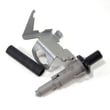
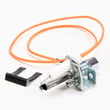
- Water heater pilot igniter 100110936 (pilot will not light or stay lit)
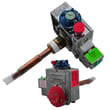
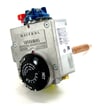
- Water heater propane gas control valve 100093749 (temperature control or gas valve problems on propane setups)
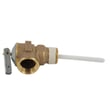
- T&p valve 100108279 (leaking or weeping relief valve)
- Drain valve 100109106 (leaks at the drain or won’t close fully)
Why it matters
A replacement quote can jump quickly when venting or gas-line changes are needed. Knowing the likely add-ons helps you compare bids and decide whether a targeted repair (pilot igniter, gas control valve, T and P valve, drain valve) restores safe, reliable hot water at a lower cost.
Last updated: February 2026
How many years should a gas water heater last?
Most tank-style gas water heaters last 8 to 12 years. For your American FG2J5040T3NOV gas water heater, regular maintenance (flushing sediment, checking safety valves, and keeping combustion air clear) helps you reach the full expected lifespan and avoid surprise leaks.
Typical lifespan and what to expect
A gas storage water heater’s service life is mainly driven by tank corrosion and sediment buildup.
- Typical range: 8 to 12 years
- Common “long life” range with good maintenance: 12 to 15 years
- Shortened life is common when: water is very hard, the tank is never flushed, or the anode rod is depleted
Maintenance that extends life
These steps reduce corrosion, overheating, and sediment damage.
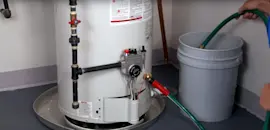
- Flush a few gallons from the tank periodically to reduce sediment
- Test the temperature and pressure relief valve for proper operation (replace if it won’t reseat)
- Inspect the burner area and keep the access area sealed and clean
- Check for slow leaks at fittings and the drain valve
- Replace the anode rod when it’s heavily worn to protect the tank lining
Parts on this model that relate to lifespan
| What you’re maintaining | Why it matters | Example part for FG2J5040T3NOV |
|---|---|---|
| Temperature and pressure relief valve | Prevents dangerous overpressure and overheating | T&p valve 100108279 |
| Drain valve | Makes flushing easier; leaking valves waste water and can cause corrosion | Drain valve 100109106 |
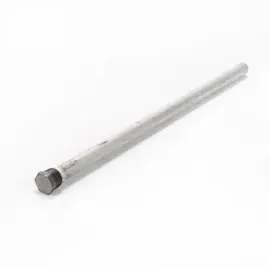
| Anode rod | Sacrificial protection that slows tank rust | Water heater anode rod 100109594 |
Signs it’s near end of life
When these show up on an older unit, replacement planning usually makes more sense than repeated repairs.
- Rust-colored water or metallic odor that persists
- Water pooling under the tank (not just at a fitting)
- Rumbling or popping from heavy sediment
- Pilot problems that keep returning after basic service
- Relief valve weeping even after replacement and correct temperature settings
Why it matters
Once the tank itself starts leaking internally, it is not repairable. Catching wear early (especially the anode rod and relief valve) helps you avoid water damage and keeps hot water recovery consistent.
Last updated: February 2026
What is the most reliable brand of gas hot water heater?
The most reliable gas water heater brand is the one that matches your home’s fuel type, venting, and water conditions, then gets installed correctly and maintained. In our experience, professional-grade lines from A. O. Smith, Bradford White, and State are consistently strong; Rheem is also a solid mainstream choice.
What “reliable” means for a gas water heater
Reliability is usually about fewer nuisance shutdowns and longer tank life. These factors matter most:
- Correct sizing (gallons and recovery rate) for your household
- Proper venting and combustion air (prevents rollout and pilot issues)
- Stable gas supply and correct gas type (natural gas vs propane)
- Water quality (hard water accelerates scale and wear)
- Routine maintenance (flushing sediment, checking safety valves)
How this relates to your American FG2J5040T3NOV
If you already own an American FG2J5040T3NOV, reliability improvements typically come from maintenance and replacing worn safety or ignition parts on time. Common reliability-related parts for this model include the water heater pilot igniter 100110936, the t&p valve 100108279, and the drain valve 100109106.
Quick comparison: pro-grade vs mainstream brands
| Category | What you typically get | Best for |
|---|---|---|
| Professional-grade (A. O. Smith, Bradford White, State) | Heavier-duty components, strong serviceability | Long-term ownership, higher usage |
| Mainstream retail (Rheem and others) | Broad availability, good value | Standard households, budget-focused |
Why it matters
A “top” brand can still fail early if the gas type is wrong, venting is restricted, or sediment builds up. Keeping the tank flushed and the safety devices working helps prevent no-hot-water events and extends service life.
Helpful next step
For general troubleshooting and maintenance topics, use our water heater common questions guide to identify symptoms and the most likely fixes.
Last updated: February 2026
What is the most common problem with gas water heaters?
The most common gas water heater problem is ignition failure, meaning the pilot will not stay lit or the burner will not fire. On American model FG2J5040T3NOV, this is often tied to the pilot/ignition assembly, gas control issues, or airflow/venting problems.
Most common symptoms you will notice
- Pilot light goes out repeatedly
- No hot water or water turns lukewarm quickly
- Burner will not ignite even after relighting
- Clicking from the igniter but no flame
- Sooting or unusual exhaust smell near the draft hood
What usually causes it (and what to check first)
Start with the simplest, safest checks before assuming a major failure.
- Gas supply issue: confirm the shutoff valve is fully open and other gas appliances work
- Pilot/igniter problem: a weak spark or failing pilot assembly can prevent reliable ignition (see water heater pilot igniter 100110936 or water heater pilot igniter 100110927)
- Gas control valve problem: if the control cannot hold pilot or open gas to the burner, ignition will fail (see water heater propane gas control valve 100093749)
- Draft/venting issue: poor draft can cause nuisance shutdowns (see draft hood 100111362)
- Sediment buildup: popping or rumbling can indicate sediment that reduces heating efficiency and contributes to overheating and shutdowns
Quick troubleshooting guide (what the symptom points to)
| Symptom | Most likely area | Common next step |
|---|---|---|
| Pilot will not stay lit | Pilot/igniter, gas control | Inspect pilot flame and ignition parts; replace as needed |
| No click or weak click when lighting | Igniter/bracket | Check igniter mounting and condition |
| Burner lights then shuts off | Draft/venting, gas control | Verify venting and draft hood fit; check control operation |
| Water heater leaks at valve area | Drain valve or fittings | Inspect and replace leaking valve |
Why it matters
Ignition problems stop hot water production and can also signal unsafe combustion or venting conditions. Fixing the root cause protects the burner system, improves efficiency, and helps prevent repeated shutdowns.
Related DIY help
For diagnostic steps that apply to many American water heaters, use American electric water heater error codes.
Last updated: February 2026
What is the average cost of a 50 gallon gas water heater?
A 50-gallon gas water heater typically costs $600 to $1,300+ for the unit and $1,000 to $3,100+ installed, depending on labor rates and the amount of plumbing, gas-line, and vent-connector work required. For American model FG2J5040T3NOV, the biggest cost swing is installation scope, not choosing a different vent style.
What usually changes the installed price
- Labor time and access (tight closet, attic, stairs)
- Replacing shutoff valves, flex connectors, or adding a sediment trap
- Vent connector and draft hood hookup work (reuse vs. replace damaged parts)
- Bringing the install up to local code (strapping, expansion tank, drip leg)
- Permit, haul-away, and disposal fees
Typical cost ranges (quick guide)
| Cost item | Typical range | What it includes |
|---|---|---|
| Unit only | $600 to $1,300+ | Tank, burner assembly, standard controls |
| Labor and materials | $400 to $1,800+ | Gas, water connections, vent connector work |
| Total installed | $1,000 to $3,100+ | Common all-in range for replacements |
When a repair makes more sense than replacement
If the tank is sound and you are dealing with a specific failure (leak at a valve, pilot not staying lit, draining issues), replacing a part is often the fastest way to restore hot water.
Common service parts for FG2J5040T3NOV include:
- T&p valve 100108279 (temperature and pressure relief valve)
- Drain valve 100109106 (tank draining and flushing)
- Water heater pilot igniter 100110936 (pilot/ignition problems)
- Water heater propane gas control valve 100093749 (gas control and temperature regulation)
Why it matters
Comparing “average cost” works best when you compare the same scope: unit price plus the real installation items (gas connection, vent connector condition, permits, and disposal). That is what drives the final out-the-door number.
Last updated: February 2026