Owner’s manual
 View engine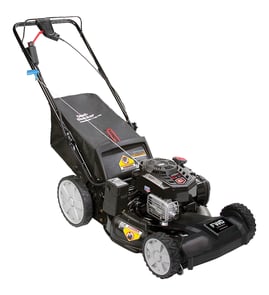




Should I use 87 or 89 gas for lawn mower?
For the Toro 20070 walk-behind mower, we recommend using regular unleaded gasoline (87 octane). Using 89 octane will not improve power or reliability in a typical small-engine mower; fuel freshness and proper storage matter far more than higher octane. See the fuel and storage guidance in the owner's manual.
What fuel to use (and what to avoid)
- Use fresh, regular unleaded 87 octane.
- Avoid fuel with more than 10% ethanol (E10); higher ethanol blends can cause hard starting and fuel-system issues.
- Do not use old gas; stale fuel is a common cause of no-start or rough running.
- If the mower will sit, use a fuel stabilizer and follow the storage steps.
- Never store gasoline for long periods; rotate your fuel supply.
87 vs 89: what changes and what does not
Higher octane mainly helps engines designed for it (high compression). Most walk-behind mower engines are designed to run correctly on 87.
| Fuel choice | What you get | Best use case |
|---|---|---|
| 87 octane (regular) | Correct performance for most mower engines | Everyday mowing |
| 89 octane (mid-grade) | No meaningful benefit in most mowers | Only if it is the freshest fuel available |
Storage tips that prevent fuel problems
The manual’s storage guidance focuses on preventing fuel-related starting issues:
- Add stabilizer on the last refuel of the season.
- Do not store fuel (especially unstabilized) for extended periods.
- Run the engine until it stops to help dry the fuel system for storage.
For step-by-step seasonal prep, use how to winterize a lawn mower.
Why it matters
Using the right fuel and storing it correctly reduces varnish buildup in the carburetor, prevents hard starting, and helps your Toro mower run smoothly all season.
Last updated: February 2026
What to do with an old gas lawnmower?
For a Toro 20070 gas walk-behind mower, we recommend draining or running the fuel out first, then disposing of the mower through a local bulky-item pickup, metal recycling program, or small-engine drop-off. Handle gasoline as household hazardous waste and never pour it out on the ground.
Safe steps before you get rid of it
- Run the mower until it stops to use up fuel in the tank.
- If you must drain fuel, remove it with a hand fuel pump (never siphon by mouth).
- Let the engine cool completely before transporting or storing.
- Disconnect the spark plug wire and secure it on the retaining post before any maintenance or handling.
- Wipe off heavy grass buildup under the deck so it is cleaner to transport.
For model-specific safety and storage steps, follow the owner's manual.
Disposal options (most common)
- Bulky-item pickup: Schedule with your local waste hauler.
- Household hazardous waste (HHW): Take old gasoline and oily rags to an HHW collection site.
- Metal recycling: Many scrap and recycling centers accept walk-behind mowers once fluids are removed.
- Donation or repair: If it still runs, consider donating it or repairing it for continued use.
Fuel handling and storage rules to follow
The Toro 20070 manual guidance for storage is to avoid storing gasoline long-term and to dispose of unused fuel properly. Use this quick reference:
| Item | What to do | Why |
|---|---|---|
| Gasoline in tank | Run engine until it stops, or pump fuel out | Reduces spill and vapor risk |
| Old fuel | Dispose through HHW or approved local program | Gasoline vapors are hazardous |
| Spark plug wire | Disconnect and secure before handling | Prevents accidental starting |
| Storage before disposal | Cool, clean, dry area | Helps prevent leaks and corrosion |
Why it matters
Old fuel is a leading cause of hard starting and can create spill and vapor hazards during transport. Taking a few minutes to run the engine dry and disconnect the spark plug wire makes disposal safer and helps you comply with local rules.
Last updated: February 2026
Why are Toro mowers so expensive?
Toro mowers (including the Toro 20070 walk-behind mower) typically cost more because you are paying for durable build quality, proven cutting and drive designs, and long-term serviceability. Over time, that usually means fewer breakdowns, more consistent performance, and easier access to replacement parts and maintenance procedures in the owner's manual.
What you are paying for
- Heavier-duty materials and tighter manufacturing tolerances that hold up to vibration and impacts
- Better cut quality features (deck airflow, baffles, blade design) that improve mulching and bagging
- More robust self-propel and control components (cables, brackets, hardware)
- Serviceability: parts diagrams, standard fasteners, and replaceable wear parts
- Warranty coverage expectations for residential use (the manual for this mower family describes a 2-year full warranty for residential use and a shorter commercial-use warranty)
Cost drivers that raise the price
| Cost driver | What it means for you | What to do about it |
|---|---|---|
| Higher-grade components | Longer life under normal mowing loads | Keep up with tune-ups and blade care |
| More complex assemblies | Smoother operation, better cut | Inspect and adjust linkages/cables periodically |
| Parts and labor economics | Repairs can cost more if neglected | Replace wear parts early instead of after damage |
How to protect your investment (practical tips)
- Follow the starting and maintenance steps in the owner's manual; correct procedures prevent unnecessary wear.
- Keep the blade sharp and balanced; a dull blade increases vibration and stresses the crankshaft and deck.
- Clean grass buildup under the deck; buildup hurts airflow and cut quality.
- Avoid hitting roots, edging, and rocks; impacts bend blades and can damage adapters and drive parts.
- Store fuel correctly for off-season periods; stale fuel is a top cause of hard starting.
Parts that commonly affect performance and perceived value
If your mower starts to feel “cheap” (poor cut, vibration, or uneven bagging), these are typical culprits:
- A worn or bent blade such as the lawn mower blade 108-9764-03
- Loose or missing hardware such as the lawn & garden equipment lock nut 3296-73
- Bagging issues from a damaged bag such as the lawn mower grass bag 107-3779
Why it matters
A mower’s price is not just the engine and deck; it is the total cost of ownership. When you maintain a Toro 20070 correctly, you usually get more seasons of reliable mowing, better cut quality, and fewer “mystery” problems caused by neglected wear parts.
Last updated: February 2026