
What is the life expectancy of a York furnace?
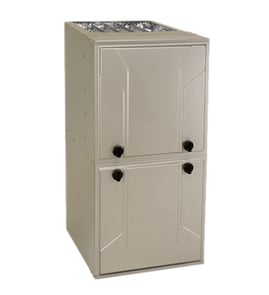
A York furnace like model P3HUA12N04801 typically lasts 20 years. With consistent maintenance (filter changes, safe venting, and annual service), it lasts 15 to 25 years in most homes.
Typical York furnace lifespan
Most York gas furnaces fall into these real-world ranges:
- 15 to 20 years: common lifespan for many furnaces
- 20 years: typical target life expectancy
- Up to 25 years: achievable with strong maintenance and correct installation
| What you have | Typical life expectancy | What usually shortens it |
|---|---|---|
| Standard residential gas furnace | 15 to 25 years | Dirty filters, overheating, poor airflow |
| High-use or harsh conditions | 12 to 18 years | Long run times, dust, frequent cycling |
| Well-maintained, properly sized system | Around 20 years | Neglected tune-ups, venting issues |
What affects furnace longevity the most
These items have the biggest impact on how long your York furnace lasts:
- Airflow: a clogged filter or blocked return can overheat the heat exchanger area
- Duct condition: leaks and restrictions force longer run times
- Ignition and flame quality: dirty burners or sensor issues cause short cycling
- Electrical reliability: loose connections and failing capacitors stress motors and controls
- Condensate management (if high-efficiency): drainage problems can cause shutdowns and corrosion
A practical DIY check that helps: inspect wiring and connections for heat damage and looseness using guidance from how to repair broken or damaged wires video.
When replacement becomes the smarter move
Age alone is not the only factor. Replacement planning usually makes sense when you see:
- Rising repair frequency (multiple service calls per season)
- Uneven heat or long run times even with a clean filter
- Repeated limit switch trips (overheating symptoms)
- Blower motor problems or control board issues
- Noticeably higher heating bills compared to prior winters
Why it matters
A furnace near the end of its life is more likely to break down during peak heating demand. Knowing the typical lifespan helps you plan parts replacement, maintenance, and budgeting before a no-heat situation happens.
Last updated: February 2026
What are the signs of a failing P3HUA12N04801 furnace?
A failing York P3HUA12N04801 furnace typically shows up as new noises, inconsistent heat, short-cycling, ignition problems, or repeated shutdowns. If you ever notice a strong gas odor, soot, or scorching smells, shut the system off and contact Sears PartsDirect support.
Common warning signs to watch for
- Banging, rattling, grinding, or squealing during startup or while running (often tied to blower, inducer, or loose panels)
- Uneven heating (some rooms cold, others warm) or weak airflow from registers
- Short-cycling (turns on and off frequently) or runs constantly without reaching set temperature
- Ignition trouble (clicking without lighting, delayed ignition, or repeated attempts)
- Higher utility bills without a weather change (efficiency drop from airflow, combustion, or control issues)
- Frequent lockouts or the furnace won’t stay running
Quick checks we recommend before you schedule service
- Thermostat basics: Confirm heat mode, setpoint, and fresh batteries (if applicable).
- Airflow basics: Replace a dirty filter and make sure supply and return vents are open.
- Power and safety switches: Check the furnace service switch and the circuit breaker.
- Condensate and venting (high-efficiency units): Look for a clogged drain line or obvious vent blockage.
What you can safely do vs. what needs a pro
| Symptom | What we recommend you do | Typical next step |
|---|---|---|
| Weak airflow | Replace filter; open vents | Blower/duct inspection |
| Short-cycling | Check filter and thermostat | Limit switch, flame sensor, or control diagnosis |
| No heat | Check breaker and thermostat | Ignition system or control troubleshooting |
| Burning smell or soot | Turn system off | Immediate professional inspection |
Why it matters
Catching these symptoms early helps prevent secondary damage (overheating, motor strain, control failures) and keeps your home safer and more comfortable.
For help identifying the correct model number on the data tag before ordering parts, use how to find your appliance model number (and what it means for parts).
Last updated: February 2026
What is the most common part to fail on a furnace?
On a York furnace like model P3HUA12N04801, the most common “failure” we see is not a single part breaking; it is restricted airflow from a dirty air filter that overheats the furnace and trips a safety limit switch, shutting heat off. After airflow issues, ignition and flame-sensing components are frequent culprits.
Most common furnace trouble spots (in order)
- Air filter (maintenance item): clogged filter reduces airflow and causes overheating
- Flame sensor: gets coated and stops proving flame, so burners shut down
- Igniter (hot surface igniter) or pilot/ignition system: no ignition, no heat
- Limit switch / rollout switch: opens when overheating or unsafe conditions are detected
- Thermostat or low-voltage wiring: bad settings, weak batteries, loose connections
- Blower motor / capacitor: weak airflow, overheating, intermittent shutdowns
Quick checks you can do safely
- Set thermostat to HEAT and raise the setpoint 3 to 5 degrees.
- Replace the air filter (use the exact size and airflow rating recommended for your setup).
- Confirm the furnace switch is ON and the breaker/fuse is not tripped.
- Look for a status LED on the control board and note the flash pattern.
- Make sure supply registers are open and return grilles are not blocked.
What the symptoms usually point to
| Symptom | Most likely cause | What to do first |
|---|---|---|
| Starts, then shuts off in 1 to 5 minutes | Dirty filter, weak blower airflow, limit switch opening | Replace filter; check vents/returns |
| Blower runs but no heat | Ignition or flame-sensing issue | Power-cycle; check for LED code |
| Repeated clicking, no flame | Igniter/ignition problem | Schedule service; avoid repeated resets |
| Works sometimes, then stops | Loose wiring, failing capacitor, overheating | Replace filter; inspect visible wiring |
Why it matters
Restricted airflow can repeatedly overheat the heat exchanger area and trigger safety shutdowns. Fixing airflow first prevents unnecessary part replacement and helps the furnace run more efficiently.
For wiring-related checks and safe electrical testing basics, use our guide: how to use a multimeter to test electrical parts video.
Last updated: February 2026
What is the most expensive part to fix on a furnace?
On a York furnace like model P3HUA12N04801, the most expensive repair is typically the heat exchanger because it is labor-intensive to replace and is central to safe heating. Other high-cost repairs often involve major motors or controls, depending on what failed.
Most expensive furnace repairs (typical cost drivers)
These are the components that most often create the highest total bill (parts plus labor):
- Heat exchanger: usually the costliest due to extensive disassembly and reassembly
- Blower motor or blower assembly: higher cost when the motor, wheel, and housing are replaced together
- Control board (furnace control): expensive electronics plus diagnostic time
- Draft inducer motor: common failure point; replacement can be moderately to highly priced
- Gas valve: part cost plus safety checks and combustion verification
Quick comparison: what usually makes the bill high
| Component | Why it gets expensive | Common symptom |
|---|---|---|
| Heat exchanger | Major labor; core safety component | Furnace runs but trips safety, odd smells, soot, or repeated shutdowns |
| Blower motor/assembly | Large part; can require wiring and airflow setup | Weak airflow, overheating, loud humming/squeal |
| Control board | Electronics plus troubleshooting | No heat call response, intermittent operation |
| Inducer motor | Venting-related; may include pressure switch checks | Starts then stops, pressure switch errors |
| Gas valve | Safety-critical; requires careful testing | Igniter glows but burners do not light |
What we recommend before you commit to a major repair
Because “most expensive” is usually driven by labor and diagnosis, we focus on confirming the failure first.
- Turn off power at the furnace switch or breaker before opening panels
- Check the air filter and return vents; restricted airflow can mimic expensive failures
- Note the exact sequence of operation (inducer, igniter, flame, blower) to narrow the suspect part
- Inspect the blower compartment for debris, loose wiring, or a seized wheel
- If you suspect an electrical issue, use a safe test method like a multimeter procedure from how to use a multimeter to test electrical parts video
- If you are shopping for replacement components by model, start with the parts list for P3HUA12N04801 or search by model on Sears PartsDirect
Why it matters
High-cost furnace repairs often involve safety controls, combustion, or airflow. Correct diagnosis prevents replacing the wrong part and helps restore reliable heat while keeping the system operating safely and efficiently.
Last updated: February 2026