Installation guide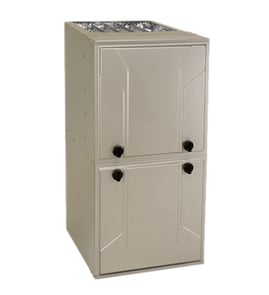



What is the most expensive part to fix on a furnace?
On an Icp N9MP2075B12C2 90+ single-stage gas furnace, the most expensive repairs usually involve major components such as the heat exchanger, the blower motor, or the electronic control board. Labor can be a big part of the total, especially when the repair requires extensive disassembly and safety checks.
- Heat exchanger: commonly the highest total cost because it is labor-intensive and tied to safe combustion
- Blower motor: high part cost and moderate-to-high labor (airflow and temperature rise must be correct)
- Electronic control board: high part cost; diagnosis matters because multiple faults can look similar
- Inducer vent motor assembly: moderate-to-high part cost; affects venting and ignition sequence
- Gas valve or venting/condensate corrections: can be costly when code-related changes or rework are needed
Here are some of the higher-cost parts we commonly see replaced on this model:
| Component | What it does | Example part on this model |
|---|---|---|
| Electronic control board | Manages ignition sequence, blower timing, safety circuits | Icp furnace electronic control board 1172550 |
| Blower motor | Moves heated air through the ductwork | Mtr blr 1013341 |
| Inducer vent motor assembly | Pulls combustion gases through the heat exchanger and vent | Icp furnace inducer vent motor assembly 1172823 |
The heat exchanger is the core of a high-efficiency gas furnace. When it fails, the repair typically involves significant labor plus careful verification of safe venting and combustion. Your installation instructions also emphasize carbon monoxide and fire hazards and correct venting requirements, which is why this repair is treated as a major job. See the installation guide for venting and combustion air requirements and safety warnings.
- Replace the air filter on schedule to prevent overheating
- Keep supply and return vents open to maintain airflow
- Address short cycling quickly (often linked to airflow or limit switch trips)
- Keep the condensate drain path clear on 90+ furnaces
- If the furnace shuts down on a safety device, correct the root cause before resetting and running again
Last updated: February 2026
What is the most common part to fail on a furnace?
The most common furnace “failures” we see are maintenance and safety-shutdown issues, especially a dirty air filter (overheating), a dirty flame sensor, or an igniter that will not light. On the Icp N9MP2075B12C2, those symptoms often point to the ignition and safety circuit parts.
- Air filter restriction: furnace starts then shuts off, or limit trips from overheating.
- Flame sensing problem: burners light briefly, then shut down.
- Ignition failure: inducer runs but burners never light.
- Draft/venting or condensate issue (90+ furnaces): pressure switch does not prove draft, or a blocked drain line triggers a shutdown.
- Control or safety switch issue: intermittent operation, no response to a heat call.
If your N9MP2075B12C2 is failing to light or stay lit, these model-listed parts are frequent fixes:
| Symptom | Common suspect | Example part for this model |
|---|---|---|
| Lights then shuts off in seconds | Flame sensing circuit | Furnace burner flame sensor 1172827 |
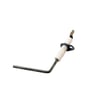
| No ignition / no flame | Ignition circuit | Furnace burner igniter 1172533 |
| Dead furnace or erratic behavior | Control logic / relays | Icp furnace electronic control board 1172550 |
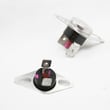
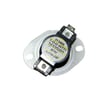
| Shuts down from overheating | High-limit protection | Furnace temperature limit switch 1013102 |
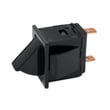
| Will not run with doors on | Door interlock | Furnace door switch 1171981 |
This Icp furnace uses condensate management and pressure-proving safety logic. A plugged condensate drain line, failed condensate pump, or frozen trap can stop operation; the installation instructions also describe using an auxiliary safety switch in the low-voltage R circuit to prevent operation during a pump failure or plugged drain line. For setup and safety details, use the installation guide.
- Replace the air filter and confirm supply/return vents are open.
- Turn power off, then inspect and reseat low-voltage thermostat wiring.
- Check the condensate drain and trap for blockage (and protect from freezing if applicable).
- Look for loose wiring at the inducer, igniter, and control board.
- If you have a meter, verify safe voltage at the furnace before deeper diagnosis.
Most “failed furnace” calls are actually safety shutdowns caused by airflow, flame proving, or condensate issues. Fixing the root cause prevents repeat shutdowns and protects the heat exchanger and control board.
Last updated: February 2026
What is the lifespan of a natural gas furnace?
Most natural gas furnaces, including 90+ single-stage models like the Icp N9MP2075B12C2, typically last 15 to 20 years. After about 15 years, efficiency often drops and repair frequency can increase, so it is smart to plan for bigger repairs or replacement.
A furnace’s age is only part of the story. These factors usually decide whether it reaches the high end of the range:
- Annual maintenance (cleaning, combustion check, safety inspection)
- Filter changes and proper airflow (dirty filters overheat heat exchangers)
- Correct gas input and setup (orifice sizing and manifold pressure)
- Venting and condensate drainage (critical on 90+ condensing furnaces)
- Ductwork condition and static pressure (stresses the blower motor)
- Electrical reliability (control board, wiring, grounding)
Many furnaces run 15 to 20 years, but individual parts often need replacement sooner.
| Component | Common replacement window | Notes |
|---|---|---|
| Hot surface igniter | 3 to 7 years | Wear item; no-heat is common when it cracks |
| Flame sensor | 5 to 10 years | Often fixable with cleaning; replacement is inexpensive |
| Inducer motor | 7 to 15 years | Condensate and bearing wear are common causes |
| Control board | 10 to 20 years | Power surges and heat can shorten life |
| Blower motor | 10 to 20 years | High static pressure and dirty filters shorten life |
If you are troubleshooting ignition or flame-proving issues, the parts most often involved are the furnace burner igniter 1172533 and furnace burner flame sensor 1172827.
As a furnace ages, small problems (weak igniter, dirty flame sensor, marginal inducer) can turn into repeated no-heat calls. Planning around the 15-year mark helps you avoid emergency downtime and lets you decide whether a repair makes sense.
This Icp furnace’s installation information includes guidance on gas input changes and altitude derating rules; correct setup helps performance and can reduce long-term stress on components. Use the installation guide for the exact procedures and specifications for your installation.
Last updated: February 2026
What is the cost to replace a furnace part?
For the Icp N9MP2075B12C2 90+ single-stage gas furnace, the cost to replace a part depends on which component failed and whether you hire a technician. On this model, common replacement parts range from about $20 for a sensor or switch to $600+ for a blower motor, plus labor.
These examples use parts available for the N9MP2075B12C2.
- Low-cost electrical/safety parts: flame sensor, limit switch, door switch
- Mid-range components: igniter, inducer vent motor assembly
- Higher-cost components: electronic control board, blower fan motor
- Labor is often the biggest variable (diagnosis time, access, venting, wiring)
- If the furnace is shutting down for safety, fix the root cause before replacing multiple parts
| Part type (example) | Example part on this model | Typical parts cost | Common labor drivers |
|---|---|---|---|
| Sensor/switch | Furnace burner flame sensor 1172827 | $20 to $50 | Cleaning, verifying flame signal, checking grounding |
| Safety limit | Furnace temperature limit switch 1013102 | $20 to $60 | Airflow checks, filter/duct restrictions |
| Ignition | Furnace burner igniter 1172533 | $60 to $150 | Burner inspection, careful handling, setup checks |
| Draft/venting | Icp furnace inducer vent motor assembly 1172823 | $250 to $450 | Vent/condensate checks, pressure switch verification |
| Controls | Icp furnace electronic control board 1172550 | $250 to $450+ | Wiring verification, diagnosing shorts, setup |
| Air mover | Blower fan motor (part ID 1013341) | $400 to $800+ | Blower removal, capacitor checks, speed taps |
- Diagnosis vs. guesswork: A proper diagnosis prevents replacing the wrong part.
- Safety shutdowns: This furnace uses safety devices that shut it off under unsafe conditions; the installation instructions emphasize safe operation and servicing precautions. Use the installation guide for model-specific safety and service notes.
- Access and condition: Rusted fasteners, tight closets, or venting/condensate issues add time.
Replacing the correct part restores safe ignition, proper combustion airflow, and reliable heat. On a 90+ condensing furnace like the N9MP2075B12C2, venting and pressure-switch related problems can look like “bad parts” until the underlying airflow or condensate issue is corrected.
Last updated: February 2026