
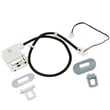


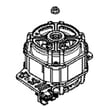
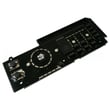
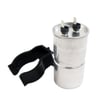

What device is the GTW585BSV2WS?
The GTW585BSV2WS is a GE top-load washer (washing machine) in the GTW series, designed for household laundry. If you are shopping parts or troubleshooting, always match parts to model GTW585BSV2WS to ensure proper fit and function.
What this model is used for
- Washing everyday clothing, towels, and bedding in a top-load tub
- Filling with hot and cold water through the inlet valve and hoses
- Agitating and spinning using a belt-driven drive system
- Draining wash water through the drain pump and drain hose
Common parts customers replace on GTW585BSV2WS
If your washer will not spin, will not drain, or is shaking, these model-matched parts are common fixes:
- Washer drive belt WH01X27538
- GE washer drain pump assembly WH23X28418
- Washer suspension rod and spring assembly WH16X26911
- GE washer lid lock assembly WH08X37938
Quick symptom-to-part guide
| Symptom | What to check first | Example model-matched part |
|---|---|---|
| Won’t spin or weak spin | Belt, shifter, lid lock | WH01X27538, WH03X30517, WH08X37938 |
| Won’t drain | Pump, drain hose | WH23X28418, WH41X32477 |
| Banging or walking | Suspension rods | WH16X26911, WH16X26910 |
Why it matters
GE makes similar-looking washers with different tubs, controls, and drive components. Using the exact model number GTW585BSV2WS helps prevent ordering the wrong drive belt, drain pump, or lid lock, and speeds up a successful repair.
Last updated: February 2026
Is the GTW585BSV2WS energy-efficient?
Yes. The GE GTW585BSV2WS is generally energy-efficient for a top-load washer, but it typically uses more water than most front-load models because of the way top-load wash systems move water through the load.
What “energy-efficient” means for this washer
Energy use and water use go together on washers. With the GTW585BSV2WS, efficiency depends heavily on cycle choice, load size, and water temperature.
- Use Cold or Tap Cold when possible to cut water-heating energy.
- Choose Eco or normal-type cycles for everyday loads.
- Wash full loads (without overpacking) to reduce cycles per week.
- Use High spin to remove more water and shorten dryer time.
- Avoid extra rinses unless you truly need them.
Quick comparison: top load vs front load
| Feature | Top load (like GTW585BSV2WS) | Front load (typical) |
|---|---|---|
| Water use | Medium to higher | Lower |
| Energy use | Low to medium | Low |
| Drying time impact | Good with high spin | Often best (very high spin) |
Why it matters
Lower hot-water use is usually the biggest energy saver in laundry. If you run more cold-water cycles and keep loads properly sized, the GTW585BSV2WS can stay efficient while still delivering strong cleaning performance.
If performance drops, efficiency drops too
A washer that struggles to spin or drain often uses more time and energy to finish a cycle. If you notice slow draining, standing water, or weak spin, checking common wear items helps restore normal operation.
- Drain issues often point to the GE washer drain pump assembly WH23X28418.
- Spin problems can be related to the washer drive belt WH01X27538.
- Excessive vibration can indicate worn suspension components such as washer suspension rod and spring assembly WH16X26911.
Last updated: February 2026
What is the most common problem with GE washers?
For GE washers (including model GTW585BSV2WS), the most common service issues are drain and spin problems: the washer will not drain fully, will not spin out water, or stops before the final spin. These symptoms usually trace back to the drain system, lid lock, or drive components.
Most common symptoms we see
- Washer will not drain or drains slowly
- Clothes come out soaking wet after the cycle
- Washer hums but will not spin
- Cycle stops mid-cycle or will not complete
- Excessive vibration or banging during spin
Likely causes on a GE top-load washer
| Symptom | Most likely area | Common fix path |
|---|---|---|
| Won’t drain | Drain pump or drain hose | Check for clogs; replace pump if seized |
| Won’t spin | Lid lock/striker or drive system | Verify lid locks; inspect belt and pulley |
| Loud banging | Suspension | Replace worn suspension rods/springs |
| Stops or acts “confused” | Control sensing or error code | Pull the stored code and follow the test steps |
Parts that commonly solve drain/spin complaints (GTW585BSV2WS)
- GE washer drain pump assembly WH23X28418: if the pump is jammed, noisy, or not moving water
- Washer drain hose WH41X32477: if the hose is kinked, restricted, or leaking
- GE washer lid lock assembly WH08X37938 and lid lock striker WH01X31637: if the lid will not lock and the washer will not spin
- Washer drive belt WH01X27538: if the motor runs but the basket does not spin properly
- Washer suspension rod and spring assembly WH16X26911: if the tub bounces excessively or bangs in spin
Quick checks before replacing parts
- Unplug the washer; then check the tub for a small sock or debris between basket and tub.
- Confirm the drain hose is not shoved too far down the standpipe (can cause siphoning or poor drain).
- Run a Drain/Spin cycle with an empty tub; listen for the pump running and watch for strong flow.
- If the lid will not lock, inspect the striker for cracks and make sure the lid closes squarely.
- If the washer spins weakly, inspect the belt for glazing, stretching, or rubber dust under the unit.
Why it matters
Drain and spin problems are the issues most likely to leave clothes wet and stop laundry day. Catching a clog, failing lid lock, or worn belt early often prevents bigger damage to the motor, shifter, or gear case.
For code-based troubleshooting, use GE gtw top load washer error codes.
Last updated: February 2026
How do I tell what model my GE washer is?
Your GE washer’s model number is printed on the appliance’s rating label; once you find it, match the full model exactly (for example, GTW585BSV2WS) so you get the correct parts and troubleshooting info for your washer.
Where to find the model number label
On most GE top-load washers like GTW585BSV2WS, the rating label is typically in one of these spots:
- Under the lid, around the tub opening (top rim)
- On the underside of the lid
- Along the back edge of the lid opening
- On the rear panel of the cabinet
What to write down (and what to avoid)
Copy the model number exactly as shown on the label.
- Write the full model number (letters and numbers), not just “GTW585”
- Include any suffixes (extra letters or numbers at the end)
- Also record the serial number (helpful for confirming production version)
- Avoid using numbers from the control panel or cycle names; those are not the model
Quick check table
| Item on label | What it’s used for | Example |
|---|---|---|
| Model number | Choosing correct parts and diagrams | GTW585BSV2WS |
| Serial number | Identifying production run/version | (varies) |
Why it matters
GE often makes small design changes within a model family. Using the exact model number helps ensure you order the right items (for example, a lid lock, drain pump, or drive belt) and follow the right troubleshooting steps.
Next step once you have the model number
If your washer is GTW585BSV2WS, use model-matched parts and help resources such as:
- GE gtw top load washer error codes
- Common model-matched parts like the washer drive belt WH01X27538
Last updated: February 2026
Why is my GE front load washer leaking from the bottom?
A bottom leak is almost always caused by a drain or fill water path problem: a loose hose connection, a cracked drain hose, a failing drain pump, or an internal tub-to-pump hose clamp. For GE GTW585BSV2WS, start by checking for leaks during fill versus drain to pinpoint the source.
Quick checks (fastest way to narrow it down)
- Leak during fill (before agitation): inlet valve area, fill hoses, internal dispenser hoses
- Leak during drain/spin: drain pump, drain hose, pump-to-tub hose
- Leak only with large loads: oversudsing, out-of-balance splash, or a tub seal/bearing issue
- Leak all the time: drain hose sitting too low, standpipe overflow, or a constant seep at a hose joint
Most common causes of a bottom leak
- Loose or damaged drain hose connection at the pump or standpipe
- Split or pinholed drain hose (often rub-through at the back)
- Cracked pump housing or a leaking pump seal (water trails under the pump)
- Oversudsing from too much detergent causing foam and overflow
- Internal hose clamp not seated (tub-to-pump hose weeping under load)
Parts that commonly fix a bottom leak on GTW585BSV2WS
If you see water tracking from the pump area or the hose connection at the pump, these are the first parts we check:
| What you see | Most likely area | Part to consider |
|---|---|---|
| Water dripping from pump body | Drain pump assembly | GE washer drain pump assembly WH23X28418 |
| Water running down the back panel | Drain hose/standpipe path | Washer drain hose WH41X32477 |
| Leak starts when basket begins to move | Splash/oversuds or drain path | Recheck load size and drain routing |
How we recommend troubleshooting safely
- Unplug the washer and turn off both water supplies.
- Pull the washer forward and look for the highest wet point (that is usually the source).
- Run a quick cycle and watch with a flashlight:
- During fill: check household fill hoses and inlet area.
- During drain: watch the pump and drain hose connection.
- If the leak is at the pump, replace the pump rather than trying to seal it.
Why it matters
A leak from the bottom can damage flooring and can also lead to drive system problems if water reaches the belt, motor area, or wiring. Catching a small seep early often prevents a bigger repair later.
Last updated: February 2026
What is the average lifespan of a GE washing machine?
A GE washing machine typically lasts about 10 to 14 years with normal household use and basic maintenance. For your GE GTW585BSV2WS top-load washer, consistent cleaning, correct loading, and fixing early symptoms (noise, leaks, draining issues) help you reach the high end of that range.
Typical lifespan and what affects it
Most washer life depends more on use and care than brand alone. The biggest factors are:
- Loads per week (more cycles equals more wear on the drive system and bearings)
- Overloading (stresses the suspension and drive components)
- Water quality (hard water can increase buildup and valve issues)
- Drain habits (coins, lint, and small items can strain the pump)
- Vibration and leveling (out-of-balance spinning shortens component life)
Quick “is it worth repairing?” guide
Use this simple rule of thumb for GTW585BSV2WS decisions.
| Washer age | Common approach | Why |
|---|---|---|
| 0 to 5 years | Repair is usually the best choice | Most repairs restore full life quickly |
| 6 to 10 years | Repair if the fix is targeted | Avoid repeated major repairs |
| 11 to 14 years | Repair only if the issue is minor | Major components can cascade |
| 15+ years | Replacement is usually smarter | Efficiency and reliability drop |
Parts that often signal wear (and can be repairable)
If your washer is otherwise in good shape, these symptoms often point to fixable parts:
- Squealing, burning rubber smell, weak agitation or spin: check the washer drive belt WH01X27538
- Won’t drain, drains slowly, or leaves water in the tub: check the GE washer drain pump assembly WH23X28418
- Excessive shaking or banging even when loads are balanced: check the washer suspension rod and spring assembly WH16X26911
Why it matters
Knowing the typical 10 to 14 year lifespan helps you plan: you can decide whether to invest in a repair (belt, drain pump, suspension) or put that money toward a newer washer if multiple major issues show up at once.
Last updated: February 2026
What voids a GE washer warranty?
Using your GE GTW585BSV2WS washer in ways outside normal household use, allowing damage from improper installation or maintenance, or having unauthorized repairs commonly voids warranty coverage. Warranty terms vary by purchase date and plan, so match your situation to the specific coverage you have.
Common situations that void (or deny) warranty coverage
- Commercial, rental, or shared-laundry use when the warranty is for residential use
- Damage from misuse or abuse (overloading, repeated unbalanced loads, forcing the lid, etc.)
- Improper installation (wrong voltage, poor drain standpipe setup, kinked hoses, no leveling)
- Lack of basic maintenance (letting clogs, odors, or leaks continue until damage occurs)
- Repairs or modifications by an unauthorized person, or using non-approved parts
- Damage from external causes (flooding, fire, freezing, pests, power surges)
Quick checks before you schedule service
These steps help you avoid a “not covered” outcome and can prevent repeat failures.
- Confirm the washer is level and stable; re-level if it rocks
- Verify hot and cold water supply valves are fully open
- Inspect fill hoses and the drain hose for kinks, crushing, or leaks
- Keep loads balanced; wash bulky items with similar items
- If the washer will not drain, check for a clog before running more cycles
Parts that are often involved in “misuse” damage
If a failure traces back to installation or load issues, these parts are commonly affected:
| Symptom | Often involved part | Example from this model |
|---|---|---|
| Burning rubber smell, no/weak spin | Drive system | Washer drive belt WH01X27538 |
| Won’t drain, water left in tub | Drain system | GE washer drain pump assembly WH23X28418 |
| Loud banging, walking, out-of-balance | Suspension | Washer suspension rod and spring assembly WH16X26911 |
| Won’t start or lid won’t lock | Lid safety | GE washer lid lock assembly WH08X37938 |
Why it matters
Warranty coverage is designed for defects in materials or workmanship. When a washer is overloaded, installed incorrectly, or altered, the failure is treated as preventable damage, so the repair cost shifts to the owner.
Last updated: February 2026


