Installation guide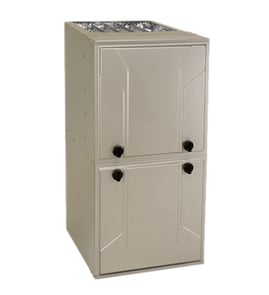




What is the most common part to fail on a furnace?
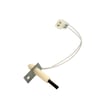
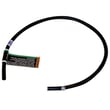
On a gas furnace like the Carrier 58MVB060F10114, the most common failure item is the hot surface igniter because it heats to very high temperatures on every call for heat and becomes brittle over time. A failed igniter typically causes a no-heat condition.
What you’ll usually notice when the igniter is failing
- Furnace starts, but burners never light
- You may hear the inducer run, then the system shuts down and retries
- Short cycling (repeated attempts to ignite)
- No heat even though the thermostat is calling for heat
- Intermittent heat that gets worse over time
Quick checks that help confirm the problem
Before any checks, shut off electrical power to the furnace at the disconnect or breaker.
- Look through the burner area for a cracked or broken igniter element
- Check wiring connections to the igniter and control for looseness or heat damage
- If you’re comfortable testing, measure igniter continuity with a meter (an open circuit indicates failure)
- Use the control’s built-in component test sequence (it can energize the igniter briefly) as outlined in the installation guide
Common “no-heat” parts compared
| Part | What it does | Typical symptom when it fails |
|---|---|---|
| Igniter | Heats up to light the burners | Inducer runs, burners do not light |
| Pressure switch | Proves inducer draft/venting | Inducer runs, then shuts down before ignition |
| Control board | Manages ignition sequence and safety logic | Erratic operation, no ignition sequence |
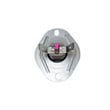
| Roll-out limit switch | Shuts down on unsafe burner/heat conditions | Burners shut off, furnace locks out |
Why it matters
The igniter is part of the furnace’s normal ignition sequence; when it fails, the furnace cannot light the burners, so you get no heat. If you’re troubleshooting repeated ignition attempts, also inspect venting and safety switches because the control can stop ignition when it does not see safe operating conditions.
Last updated: February 2026
What is the average lifespan of a Carrier furnace?
A Carrier furnace typically lasts 15 to 30 years. For your Carrier 58MVB060F10114 condensing gas furnace, lifespan is driven most by installation quality (venting, sizing, airflow) and consistent maintenance, since improper setup can cause premature component failure.
Typical lifespan range (what most homeowners see)
Most modern gas furnaces fall into this range when installed correctly and maintained:
| Furnace type | Typical lifespan | What most affects it |
|---|---|---|
| Standard efficiency gas furnace | 15 to 25 years | Heat exchanger condition, airflow, filter changes |
| High-efficiency condensing gas furnace (like 58MVB series) | 15 to 30 years | Venting and drainage setup, combustion air quality |
What shortens (or extends) furnace life
We see these factors make the biggest difference:
- Venting and condensate setup: This model requires a special venting system; incorrect vent sizing or materials can create ongoing stress and service issues.
- Correct sizing and airflow: Duct static pressure and temperature rise need to stay in the intended range to avoid overheating and limit trips.
- Combustion air quality: Contaminated air (from cleaners, solvents, aerosols, salts) can corrode components and shorten heat exchanger life.
- Fuel setup: The furnace ships for natural gas; propane conversion requires the correct conversion kit and setup.
- Routine maintenance: Annual inspection, burner cleaning, and safety checks help prevent small issues from becoming major failures.
Quick checks that help you get the full lifespan
Use these practical habits to protect the heat exchanger, inducer, and controls:
- Replace or clean the air filter on a regular schedule.
- Keep supply and return vents open and unobstructed.
- Keep laundry chemicals, solvents, and aerosols away from the furnace area.
- Watch for repeated limit switch trips, short cycling, or unusual noises.
- Follow the venting, combustion air, and setup requirements in the installation guide.
Why it matters
A furnace usually does not fail all at once; it loses life through repeated overheating, poor combustion air, or venting and drainage problems. Getting the installation details right and keeping airflow steady is what most often separates a 15-year furnace from a 25 to 30-year furnace.
Last updated: February 2026
What is the most expensive part to fix on a furnace?
For most furnaces (including the Carrier 58MVB060F10114), the heat exchanger is typically the most expensive major repair because it is labor-intensive and central to safe heating. Other high-cost repairs often involve the control board or draft inducer (vent motor). See the installation guide for safety and service requirements.
Most expensive furnace repairs (typical)
Costs vary by region, access, and whether additional venting or setup adjustments are needed.
- Heat exchanger: commonly the highest total cost (part plus labor)
- Draft inducer / vent motor: often expensive, especially on high-efficiency furnaces
- Control board: can be costly and requires correct diagnosis
- Blower motor: moderate to high, depending on motor type
- Gas valve: moderate to high, plus setup and safety checks
How this relates to your Carrier 58MVB060F10114
These model-specific parts on our list are examples of repairs that can land on the higher end:
| Repair area | Example part for this model | Why it can be expensive |
|---|---|---|
| Heat exchanger | Icp furnace heat exchanger 320723-751 | Major disassembly; combustion safety checks required |
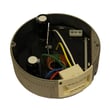
| Venting/inducer | Vent motor (part number 320727-755) | High-efficiency venting components can be pricey |
| Controls | Control board (part ID HK42FZ035) | Misdiagnosis is common; correct wiring and setup matter |
Quick ways to avoid paying for the wrong repair
Before replacing a high-dollar part, we use these checks to narrow the failure:
- Confirm the thermostat is calling for heat and the furnace has power.
- Check the air filter and return airflow; restricted airflow can trigger limit trips.
- Inspect venting and condensate drain routing; high-efficiency furnaces are sensitive to vent sizing and drainage.
- Look for loose, damaged, or overheated wiring connections.
- Test switches and controls with a meter when safe to do so.
Why it matters
High-efficiency furnaces depend on correct vent sizing, gas input rate, and temperature rise settings; installation or application issues can cause premature component failure and repeated service calls. Following the setup and safety checks in the installation guide helps protect expensive components.
Last updated: February 2026
Is it hard to get Carrier parts?
No. For your Carrier 58MVB060F10114 furnace, we make it straightforward to find and order common replacement parts online by matching the exact model number to the correct parts list and diagrams; this helps you avoid buying look-alike parts that do not fit.
How we recommend finding the right part
Start with the model number 58MVB060F10114, then confirm the part by name and function before ordering.
- Match the full model number exactly (including all letters and numbers)
- Use the parts list to identify the correct component category (ignition, safety, venting, controls)
- Confirm symptoms first (no heat, short cycling, ignition failure, pressure switch issues)
- Compare the old part to the listing (mounting, connectors, tubing ports)
- Use the wiring and venting guidance in the installation guide when troubleshooting
Parts that are commonly needed for this model
These are examples of parts we often see replaced on condensing gas furnaces like the Carrier 58MVB060F10114.
| What you are fixing | Common part type | Example from this model’s parts list |
|---|---|---|
| Ignition failure or no flame | Hot surface igniter | Icp furnace burner igniter LH33ZG001 |
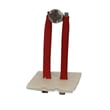
| Safety trip with flame rollout symptoms | Roll-out limit switch | Icp furnace burner roll-out limit switch HH18HA452 |
| Draft or venting problems | Vent motor / inducer assembly | Vent motor (part number 320727-755) |
| Pressure switch related shutdowns | Pressure switch | Switch (part number HH12ZB200) |
| Control or communication issues | Control board / module | Control board (part number HK42FZ022) |
Why it matters
Furnace parts are not “universal.” On a condensing gas furnace, the venting setup (1-pipe vs 2-pipe), pressure-switch logic, and safety controls all work together; using the correct model-matched part helps the furnace start, run, and shut down safely.
Safety note before you service
The installation instructions emphasize that improper installation or service can lead to serious hazards (fire, electrical shock, carbon monoxide). If you are not fully comfortable diagnosing ignition, venting, or control issues, use a qualified technician and keep the installation guide with the furnace for reference.
Last updated: February 2026