Owner’s manual
 Error Codes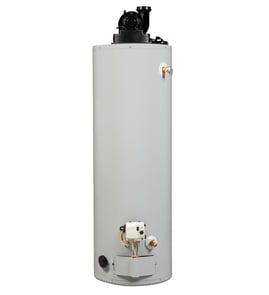



What is the typical lifespan of a gas hot water heater?
Most gas water heaters typically last 8 to 12 years. For an American gas water heater like FG6140T403NOV, regular tank flushing, checking the anode rod, and addressing pilot or venting issues promptly helps you reach the upper end of that range; see the FG6140T403NOV manual for model-specific maintenance intervals.
Typical lifespan ranges (quick reference)
| Water heater type | Typical lifespan | What usually ends its life |
|---|---|---|
| Gas tank water heater | 8 to 12 years | Tank corrosion, burner or gas valve problems |
| Electric tank water heater | 10 to 15 years | Element or thermostat failures, tank corrosion |
What helps a gas water heater last longer
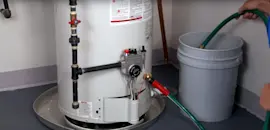
- Flush sediment from the tank periodically to reduce rumbling and overheating.
- Inspect the anode rod and replace it when significantly worn.
- Keep the burner area clean and ensure proper combustion air.
- Confirm safe venting; a damaged draft hood or venting issues can shorten life.
- Watch for small leaks early; slow seepage often becomes a tank failure.
Parts that commonly affect longevity on FG6140T403NOV
These parts do not “extend” tank life by themselves, but keeping them in good shape prevents nuisance failures and poor performance:
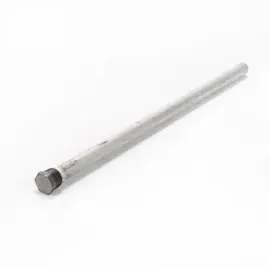
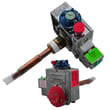
- Water heater anode rod 100109594 (helps slow tank corrosion)
- Drain valve 100109106 (makes flushing easier and more reliable)
- Draft hood 100111362 (supports proper venting)
Why it matters
Once the tank itself corrodes through, repairs are rarely cost-effective. Staying on top of maintenance helps you avoid sudden loss of hot water, water damage risk, and efficiency drop from sediment buildup.
Last updated: January 2026
What is the average cost to replace a gas hot water heater?
For an American gas water heater like model FG6140T403NOV, the typical total replacement cost is about $1,000 to $6,000 installed. The wide range comes from tank size and efficiency, venting changes, and labor; installation often makes up a large share of the total.
What drives the price up or down
- Type of heater: standard tank units usually cost less than tankless or high-efficiency models.
- Venting and gas line work: reworking the flue, adding combustion air, or resizing gas piping increases labor.
- Code-required updates: items like a drip pan, seismic straps (where required), or expansion tank can add parts and time.
- Access and location: attic, crawlspace, or tight closets typically cost more than a garage install.
- Disposal and haul-away: removal of the old tank is often a separate line item.
Typical cost ranges (installed)
| Scenario | Typical total cost | What it usually includes |
|---|---|---|
| Like-for-like tank replacement | $1,000 to $2,500 | Basic heater, standard hookups, removal |
| Mid-range upgrade or minor venting changes | $2,500 to $4,000 | Some piping or vent updates |
| Tankless or major rework | $4,000 to $6,000 | Larger labor scope, venting, gas upgrades |
Parts that can affect replacement scope
If you are replacing the heater because of a leak or safety valve discharge, a few related parts are commonly addressed during the job:
- T&p valve 100108279 (temperature and pressure relief valve)
- Drain valve 100109106 (used for draining and flushing)
- Water heater anode rod 100109594 (helps protect the tank from corrosion)
Why it matters
A gas water heater replacement is not just the tank price; labor, venting, and code-related updates often determine the final bill. Reviewing the specifications and venting requirements in the FG6140T403NOV manual helps you compare quotes accurately and avoid surprise add-ons.
Last updated: January 2026
What is the most common problem with a gas hot water heater?
The most common gas water heater problem is loss of ignition, usually when the pilot will not stay lit. On American model FG6140T403NOV, this typically shows up as no hot water or water that turns cold quickly, and it is often tied to the pilot/ignition system or gas control.
Most common causes (and what you notice)
- Pilot goes out or will not stay lit: burner never fires, no hot water.
- Dirty pilot/burner area: hard starts, weak flame, soot, or intermittent heating.
- Sediment buildup in the tank: popping or rumbling noises, slower recovery, less hot water.
- Gas control valve issues: inconsistent burner operation, temperature swings.
- Drafting/venting problems: pilot outage, burner shutdown, or unusual odors near the heater.
Quick checks we recommend first
Use the steps and lighting instructions in the FG6140T403NOV manual before servicing.
- Confirm the gas shutoff valve is fully open.
- Verify the thermostat setting is reasonable (many homes use about 120°F).
- Look through the sight glass (if equipped) for a steady pilot flame.
- Check for airflow issues around the heater (lint, storage items, blocked openings).
- Listen for sediment noise during burner operation.
Parts that commonly relate to these symptoms
If the pilot will not light or will not stay lit, the pilot/ignition assembly is a frequent fix.
| Symptom | Common part to inspect | Example for this model |
|---|---|---|
| Pilot will not light/stay lit | Pilot/igniter assembly | Water heater pilot igniter 100110927 |
| Rumbling/popping, reduced hot water | Tank sediment (maintenance) | Drain and flush tank |
| Water leaks from drain outlet | Drain valve | Drain valve 100109106 |
Why it matters
A stable pilot flame and clean combustion keep your FG6140T403NOV heating safely and efficiently. Ignition problems stop hot water completely, and sediment buildup wastes fuel and shortens tank life.
Last updated: January 2026