Owner’s manual



Does KitchenAid have glass blenders?
Yes. KitchenAid makes glass-pitcher blenders, but your KitchenAid KSB560WH0 blender is designed to use a 56 oz polycarbonate (plastic) pitcher, not a glass jar. For the correct pitcher type and safe-use details, follow the KSB560WH0 owner's manual.
The manual groups KSB560 models with a 56 oz polycarbonate pitcher, while a different model family (KSB550) uses a 48 oz glass pitcher.
- KSB560WH0 uses a polycarbonate pitcher (plastic)
- Glass pitchers exist in other KitchenAid blender models
- Using the correct pitcher helps the lid seal properly and keeps the drive system aligned
- For hot liquids, use the manual’s hot-blending method (speed and venting)
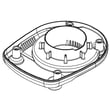
For KSB560WH0, replace the jar with the model-correct assembly so it fits the base and drive coupling correctly.
- Match by model number first (KSB560WH0)
- Replace the lid if it no longer seals tightly
- Stop using the blender if the jar is cracked, cloudy, or leaking
| Item | What you get | When to replace |
|---|---|---|
| Jar WPW10555711 | Jar and blade assembly | Cracks, leaks, worn blade, poor blending |
| Lid assembly WPW10183714 | Lid components | Leaks, loose fit, missing center cap |
Pitcher material and size affect safety and performance. The KSB560WH0’s polycarbonate pitcher is built for wide temperature range use and is designed to work with the blender’s motor, blade movement, and lid venting instructions.
Last updated: February 2026
What is the KitchenAid blender high performance artisan?
The “KitchenAid High Performance Artisan blender” is a KitchenAid Artisan-series blender line known for high-power blending and features like multiple speed settings and ice-crush programs. For your KitchenAid KSB560WH0, the manual describes a 56 oz (1.75 L) one-piece polycarbonate pitcher and five speeds plus CRUSH ICE and PULSE.
KitchenAid uses “High Performance” and “Artisan” to describe blenders designed to handle tougher jobs (ice, frozen fruit, thicker mixtures) with consistent speed control and purpose-built modes.
Common performance-focused features include:
- Multiple speed buttons (for consistent results across recipes)
- A dedicated ice-crush program
- Pulse operation for controlled chopping
- A durable pitcher and integrated blade design
- Motor controls designed to maintain speed as ingredients change density
For the KitchenAid KSB560WH0 specifically, our KSB560WH0 owner’s manual highlights these model-relevant features:
- Pitcher type and size: 56 oz (1.75 L) polycarbonate pitcher
- Speed selections: STIR, CHOP, MIX, PUREE, LIQUEFY
- Special modes: CRUSH ICE and PULSE MODE
- Use basics: the blender operates when a speed button is pressed; press OFF before removing the pitcher and unplug after use
| Item | KSB560WH0 details |
|---|---|
| Pitcher capacity | 56 oz (1.75 L) |
| Pitcher material | Polycarbonate |
| Speeds | 5 (STIR to LIQUEFY) |
| Special modes | CRUSH ICE, PULSE |
Knowing whether you have an Artisan “high performance” style blender helps you match the right pitcher, lid, and drive components, and it sets expectations for tasks like crushing ice and blending frozen ingredients.
If you are replacing a worn container assembly, use the model-matched jar WPW10555711 so the pitcher and blade design fit and perform correctly.
Last updated: February 2026
Can I put a KitchenAid blender in the dishwasher?
Yes, for the KitchenAid KSB560WH0 blender, the jar and lid are typically the dishwasher-safe pieces; the motor base and power cord stay out of the dishwasher and should be wiped clean by hand. Always unplug the blender before cleaning and handle blades carefully. See the cleaning and care details in the KSB560WH0 owner's manual.
Use this as a safe rule for KSB560WH0 blender cleaning:
- Dishwasher-safe: jar/pitcher and lid components (top rack is best)
- Hand-wash only: motor base, control panel area, and power cord
- Never submerge: base or cord (water can damage electrical parts)
- Use caution: blades are sharp; avoid reaching into the jar blindly
| Blender part | Dishwasher? | Best practice |
|---|---|---|
| Jar/pitcher | Yes | Top rack; avoid high-heat drying if you want to reduce wear |
| Lid assembly | Yes | Place small pieces securely so they do not flip into the heater area |
| Base (motor housing) | No | Wipe with a damp cloth, then dry |
| Power cord | No | Keep dry; wipe only |
- Press OFF, then unplug before cleaning.
- Remove the jar from the base; keep hands away from the blade area.
- Dishwasher option: load jar and lid securely.
- Hand-clean option: wash jar and lid in warm, soapy water; rinse and dry.
- Wipe the base with a lightly damp cloth; keep moisture out of switches and seams.
Keeping the base dry protects the motor and controls, and unplugging before cleaning reduces the risk of injury. Proper cleaning also helps prevent odors and residue buildup that can make the blender work harder.
If a dishwasher cycle warps, cracks, or loosens components, these are common replacements for KSB560WH0:
- Jar WPW10555711 (jar and blade assembly)
- Lid assembly WPW10183714 (lid components that seal the jar)
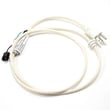
- Power cord 9708917 (if the cord gets damaged or overheats)
Last updated: February 2026
How to remove blender drive coupling?
To remove the blender drive coupling on your KitchenAid KSB560WH0, unplug the blender first, then loosen the coupling from the motor shaft (it uses a reverse thread on many KitchenAid-style blenders, so it typically loosens by turning it clockwise). If the coupling is stuck, a quick, controlled tap can help break it free.
- Press OFF and unplug the power cord before touching the jar area or base
- Remove the jar by lifting it straight up off the base
- Keep hands and tools away from the blade area
- Never work on the coupling with the blender plugged in
For the model-specific safety steps and shutdown sequence, use the KSB560WH0 owner’s manual.
- Unplug the blender and remove the jar.
- Stabilize the motor shaft: hold the shaft from turning (access method varies by base style).
- Turn the coupling to loosen:
- In many KitchenAid/Whirlpool designs, the coupling is left-hand (reverse) threaded.
- That means you usually loosen it by turning clockwise (right).
- If it is seized: apply penetrating oil sparingly to the threads (avoid plastic parts), wait a few minutes, then try again.
- If it still will not move: use a small hammer to give a sharp, light tap on the wrench to “shock” the threads loose (do not strike the base).
If the teeth are rounded, cracked, or the blender smells hot while the jar is not turning, the coupling is a common fix. The correct coupling for this model is the coupling WPW10279256.
| Symptom | What it usually means | What to check |
|---|---|---|
| Motor runs, jar blades do not | Coupling stripped | Coupling teeth wear/cracks |
| Loud grinding | Coupling slipping | Coupling alignment and wear |
| Stops under heavy load | Overload protection | Reduce batch size, add liquid, press OFF to reset |
The drive coupling is designed to fail first to protect the motor and base. Removing it correctly prevents damage to the motor shaft threads and helps the new coupling seat straight.
Last updated: February 2026
What is the color of the year for the KitchenAid KSB560WH0 blender?
KitchenAid’s “Color of the Year” is a brand-wide, promotional color and it is not tied to the KitchenAid KSB560WH0 blender model. For the most-cited recent example, KitchenAid’s 2023 Color of the Year was Hibiscus (introduced with a K400 blender), not a KSB560WH0-SPECIFIC finish.
The KSB560WH0’s real-world color is determined by the specific unit you own (and its nameplate), not the annual Color of the Year campaign. Use these checks:
- Check the model and color code on the unit label and compare it to the KSB560WH0 owner's manual
- Look at the base and control pad color under natural light (countertop lighting can shift color)
- Verify the jar style and lid style match your unit (some parts vary by model family)
- If the exterior label is missing or unreadable, inspect the nameplate W10161493 on the blender
- Match replacement cosmetic parts carefully (base, housing, feet) so the finish stays consistent
KitchenAid uses Color of the Year to highlight a specific product release and finish option for that year. It does not mean:
- Your KSB560WH0 was produced in that color
- All KitchenAid blenders share that color
- Replacement parts will automatically match that color
| Item | Applies to KSB560WH0? | What it affects |
|---|---|---|
| KitchenAid “Color of the Year” (example: 2023 Hibiscus) | No | Marketing color tied to select products |
| Your blender’s actual finish/color | Yes | What your unit looks like and what cosmetic parts should match |
| Functional replacement parts (jar, coupling, cord) | Yes | Fit and operation, not color matching |
If you are replacing visible parts like the base, housing, or feet, matching your KSB560WH0’s existing finish prevents a “two-tone” look. For functional repairs, focus on correct fit by model number first.
Last updated: February 2026
How to disassemble a KitchenAid blender blade?
For the KitchenAid KSB560WH0 blender, we recommend cleaning the pitcher and blade without disassembly because the blades are sharp and the manual’s care steps are designed to clean the blade safely while it stays assembled; follow the cleaning and safety guidance in the KSB560WH0 owner's manual.
The manual’s method cleans the blade thoroughly and avoids handling the sharp cutting edges.
- Unplug the blender before handling the jar, lid, or blade area.
- Place the jar on the base and fill it about halfway with warm (not hot) water.
- Add 1 to 2 drops of dishwashing liquid.
- Put the lid on, then run STIR for about 5 to 10 seconds.
- Empty, rinse with warm water until clean, then dry.
- Wash the lid and ingredient cap in warm soapy water (or dishwasher top rack); hand washing gives the best results.
Some owners remove the blade assembly to address a leak, a damaged seal, or heavy buildup. Use these precautions to reduce injury risk and prevent damage.
- Unplug the blender and remove the jar from the base.
- Wear cut-resistant gloves; blades are sharp.
- Work over a towel on a stable counter so the jar does not slip.
- Use only hand tools that fit well; avoid forcing parts.
- Reassemble firmly and test with water first (no food) to check for leaks.
| Symptom | Common cause | Best first step |
|---|---|---|
| Cloudy residue on blade | Dried-on food film | Use the no-disassembly cleaning cycle |
| Blender stops mid-blend | Overload or jam | Press OFF, unplug, reduce batch size, add liquid |
| Leaking at jar bottom | Worn jar or blade seal area | Inspect jar and blade area; replace jar if cracked |
If the jar or blade area is damaged, replacement is usually faster and more reliable than trying to rebuild the blade stack.
- Jar WPW10555711 (includes the jar and blade assembly)
- Lid assembly WPW10183714 (if the lid no longer seals or fits correctly)
Disassembling a blender blade increases the risk of cuts and can lead to leaks or poor sealing if parts are not tightened correctly. The KSB560WH0 manual’s cleaning method is designed to clean the blade safely while keeping the assembly intact.
Last updated: February 2026
Why is my KitchenAid blender leaking?
Your KitchenAid KSB560WH0 blender usually leaks because the jar sealing surfaces are dirty, the jar is not assembled tightly and evenly, or the jar or lid is worn or cracked. Start by disassembling, cleaning, and re-seating the jar components, then test with water.
- Jar-to-base area: food residue on sealing surfaces, cross-threading, or uneven tightening
- Blade/jar bottom area: worn seal or damage around the jar bottom
- Lid area: lid not fully seated, warped lid, or overfilled jar
- Cracks: hairline cracks in the jar (often show up only when filled)
- Unplug the blender before handling parts or cleaning (blades are sharp).
- Remove the jar, empty it, and wash the jar and lid; clean the mating surfaces thoroughly.
- Reinstall the jar components so they sit flat and centered, then tighten firmly and evenly (do not overtighten).
- Fill halfway with water and run a short test; watch where the first drops appear.
- If leaking continues, inspect for cracks and replace the worn component.
If cleaning and reassembly do not stop the leak, replacement is typically the fastest fix.
| Leak location | Most likely fix | Sears PartsDirect part for this model |
|---|---|---|
| From jar body or bottom | Replace jar (includes blade assembly) | Jar WPW10555711 |
| From lid area | Replace lid | Lid assembly WPW10183714 |
A leak can let liquid reach the motor base, which can cause shutdowns, electrical issues, and premature wear. Fixing the seal early also prevents slipping, mess, and inconsistent blending.
For model-specific assembly and safe handling steps, follow the KSB560WH0 owner's manual.
Last updated: February 2026