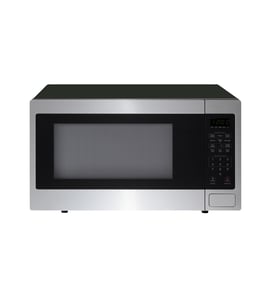


Do they make Kenmore microwaves?
Yes. Kenmore makes and sells microwaves under the Kenmore brand, including built-in microwave setups like Kenmore model 6654438913 (a built-in oven with microwave combination). The key is matching parts and features by the full model number.
What “Kenmore microwave” can refer to
Kenmore microwaves come in several configurations; 6654438913 is in the built-in category (paired with an oven or installed in cabinetry), not a portable countertop unit.
- Built-in oven with microwave combinations (like 6654438913)
- Over-the-range microwaves (microwave plus vent hood)
- Countertop microwaves (portable, plug-in)
How to identify the right replacement parts for 6654438913
Use the model number first, then match the symptom to the correct part type.
- Confirm the rating label shows 6654438913
- Use the model parts list to match the exact part ID
- Compare the part name and mounting style before ordering
- Replace electrical parts only with the exact listed match
Examples of microwave-related parts on this model’s parts list
These parts commonly relate to “won’t start,” “dead,” or “uneven heating” complaints in microwave sections of combo units.
| Symptom | What to check | Example part on this model list |
|---|---|---|
| Won’t run with door closed | Door interlock switch circuit | Switch 814037 |
| Completely dead or intermittent power | Fuse holder / fuse block | Fuse block 4454949 |
| Noisy operation or poor air/stirring movement | Stirrer/drive components | Microwave stirrer fan drive belt WP313646 |
Why it matters
Kenmore model numbers identify the exact design and wiring layout. Using 6654438913 ensures you get parts that fit correctly and restore normal operation without electrical mismatches.
Last updated: February 2026
How do I change the light bulb in my Kenmore microwave?
To change the light bulb in your Kenmore microwave model 6654438913, we recommend disconnecting power first, then accessing the lamp cover (usually behind the control panel or an interior lens) and replacing the bulb with the same type and wattage so the socket and wiring do not overheat.
Safety first (microwave-specific)
Microwaves store high voltage; we only recommend bulb replacement steps that do not require removing the outer cabinet.
- Unplug the microwave or switch off the breaker before starting
- Let the bulb cool completely before touching it
- Do not remove the outer cover; internal components can retain dangerous voltage
- Use gloves or a clean cloth to handle the bulb (helps with grip and keeps oils off glass)
- If you smell burning, see melted plastic, or the light still will not work after replacement, stop and troubleshoot the switch or holder
Typical bulb locations and what to do
Most Kenmore countertop and built-in microwave designs use one of these setups.
| Where the light is | What you usually remove | What you do next |
|---|---|---|
| Oven cavity light | Interior lens cover (1 to 2 screws) | Remove lens, swap bulb, reinstall lens |
| Cooktop/night light (some models) | Bottom lamp cover | Swap bulb, reinstall cover |
| Lamp behind control panel (some models) | Control panel mounting screw(s) | Tilt panel forward, access lamp cover, swap bulb |
Quick troubleshooting if the new bulb does not light
If the bulb is new and seated correctly, the issue is often the door switch circuit or the bulb holder.
- Confirm the bulb is fully screwed in and the lens cover is not pinching wires
- Test the door interlock switch for proper operation; a failed switch can prevent the light from working on some designs
- Inspect the bulb socket for corrosion or heat damage
- Check the fuse holder connections if the unit is intermittently dead
Helpful parts for common light and door-circuit issues include the light bulb 8009, the switch 814037 (door interlock switch), and the fuse block 4454949 (fuse holder), when those match what you find in your unit.
Why it matters
Using the correct bulb type and keeping the lamp cover secured prevents heat damage to the socket, reduces the chance of arcing, and helps the door interlock system operate normally during cooking.
Last updated: February 2026
Where to find model number on Kenmore microwave?
On a Kenmore microwave, the model number is printed on the rating label; for model 6654438913, you will typically find that label around the door opening or on the back of the unit. Use the exact model number to match the correct parts list and diagrams for your microwave.
Most common places to check
- Open the door and look on the frame around the door opening (often along the side)
- Check the inside edge of the door itself
- Look along the side of the control panel area (visible with the door open)
- Inspect the back panel of the microwave
- For some installations, check the side panel (you may need to slide the unit forward if it is built in)
What the label looks like (and what to write down)
The rating label usually includes several identifiers. Record these exactly:
| Label item | Example format | Why it matters |
|---|---|---|
| Model number | 6654438913 | Ensures the parts list matches your exact unit |
| Serial number | Letters and numbers | Helps identify production run details |
| Electrical rating | Volts/amps/watts | Useful when diagnosing power or heating issues |
Tips if the label is hard to read
- Wipe the label gently with a damp cloth; grease can hide characters.
- Use your phone camera and zoom in; angled light helps make faded print visible.
- If the microwave is installed in a cabinet, confirm the number on the unit label (not just paperwork) before ordering.
Why it matters
Kenmore microwaves can look similar across multiple model series, but parts like a door interlock switch, fuse holder, or stirrer belt can vary by model. Using the correct model number helps you avoid ordering the wrong replacement part.
Related parts customers often replace
- Microwave door interlock switch 814037
- Microwave fuse holder 4454949
- Microwave stirrer fan drive belt WP313646
Last updated: February 2026
Why would a Kenmore microwave stop working?
A Kenmore microwave like model 6654438913 can stop working when it loses power (blown fuse, bad door interlock switch, loose wiring) or when a safety device opens (thermal cutoff). Start with simple power checks, then test the fuse and door switches before replacing parts.
Quick checks first (no tools)
- Confirm the outlet works by plugging in a lamp or small appliance.
- Check the home breaker or GFCI; reset if tripped.
- Make sure the door closes firmly and the latch is not loose or misaligned.
- If the display is dead, suspect a fuse, wiring connection, or control power issue.
- If it runs but does not heat, the problem is often in the high-voltage heating circuit (not a simple fuse-only issue).
Most common causes and what you will notice
| Symptom | Likely cause | What to check next |
|---|---|---|
| Completely dead (no display) | Blown internal fuse, loose connection, failed control | Inspect wiring and test fuse continuity |
| Starts then stops when door moves | Door interlock switch issue | Test/replace switch 814037 |
| Runs but no heat | High-voltage component failure (diode, capacitor, magnetron) or safety device open | Stop and have a technician diagnose HV circuit |
| Randomly shuts off mid-cycle | Overheating, failing thermal cutoff, airflow restriction | Check vents, fan operation, and signs of heat damage |
Safe troubleshooting steps we recommend
Microwaves contain high-voltage components that can store a dangerous charge even when unplugged. For anything beyond basic checks, we recommend a qualified technician.
- Unplug the microwave before removing any panels.
- If the unit is dead, check the fuse holder for heat damage; a loose fuse connection can cause intermittent power loss. The model parts list includes a fuse block 4454949 that can be involved when a fuse connection is failing.
- If the unit only works with the door held a certain way, focus on the door interlock system; the switch 814037 is a common failure point.
- If you find burned or broken wiring, repair it correctly with high-temperature appliance wire such as cooking appliance 14-gauge splicing wire, 200-degree c (red) 242831.
Why it matters
A microwave that stops working is often protecting you; door interlocks and thermal cutoffs are designed to shut the unit down when operation is unsafe. Correctly identifying whether the issue is power supply, door safety, or overheating prevents repeat failures and avoids unnecessary parts replacement.
Last updated: February 2026


