



How to find AC parts?
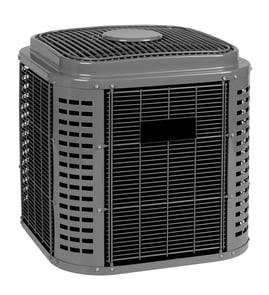
To find the right AC parts for your Icp central air conditioner model CA9630VKA1, match parts by model number first, then confirm the failed component (contactor, capacitor, condenser fan motor, fan blade) by symptom and basic electrical testing. Use the model’s parts list and diagrams to ensure compatibility.
Step 1: Confirm the model number and unit type
For this unit, the model number you want to use is CA9630VKA1. On most central air conditioners, the rating plate is on the outdoor condenser cabinet (often near the service panel).
- Look for CA9630VKA1 on the data label
- Note the brand (Icp) and that it is a central air conditioner
- If the label is worn, compare cabinet and electrical compartment parts to the diagrams
- Use the model number to avoid ordering a similar-looking but incompatible part
Step 2: Identify the part by symptom (common matches)
Many “no cool” or “won’t start” problems trace back to a few high-wear electrical and fan components.
| Symptom | Common part to check | What you may notice |
|---|---|---|
| Outdoor unit will not start, no click | Contactor | Contacts burned, buzzing, or no pull-in |
| Hums, struggles to start, trips breaker | Run capacitor | Bulged/leaking capacitor, weak start |
| Fan not spinning but compressor runs | Condenser fan motor or fan blade | Hot top panel, fan stops intermittently |
| Fan spins slowly or wobbles | Fan blade | Bent blades, vibration, scraping |
Model CA9630VKA1 parts we commonly see customers replace
If your troubleshooting points to one of these, ordering the exact match for CA9630VKA1 helps prevent wiring and fitment issues.
Why it matters
Central AC parts are not “universal” even when they look similar. Matching by model CA9630VKA1 helps ensure the correct electrical ratings, mounting pattern, and wiring connections so the repair is safe and the system runs reliably.
Last updated: February 2026
What is the average AC indoor unit price?
For an Icp central air conditioner like model CA9630VKA1, the indoor unit (evaporator coil and/or air handler) typically runs $600 to $3,500 for the equipment; installed cost is higher because it includes labor, refrigerant handling, and any duct, drain, or electrical updates.
Typical indoor-unit price ranges
Pricing depends on whether you replace only the coil or the full air handler.
- Evaporator coil only: common for refrigerant leaks or restricted coils
- Air handler: includes blower, cabinet, and controls
- Indoor add-ons: drain pan, float switch, filter rack, line-set work (as needed)
| Indoor component | Typical equipment price | Typical installed price | Common reason to replace |
|---|---|---|---|
| Evaporator coil | $600 to $2,000 | $2,000 to $4,500 | Coil leak, corrosion, airflow restriction |
| Air handler | $1,000 to $3,500 | $3,000 to $7,500 | Blower failure, cabinet rust, control issues |
What most affects the final price
- System size (tons) and coil dimensions
- Refrigerant type and whether the line set needs replacement or flushing
- Match requirements between indoor coil and outdoor condenser
- Ductwork condition and airflow corrections
- Condensate drain and electrical updates to meet safety and code needs
Why it matters
A properly matched indoor coil and air handler protect efficiency and reliability. A mismatch can cause poor cooling, icing, higher energy use, and compressor stress.
Related parts you may need for CA9630VKA1 outdoor repairs
If you are also troubleshooting the outdoor unit while planning an indoor replacement, these parts are commonly involved in no-cool or intermittent-cool issues:
Last updated: February 2026
What is the most common part to fail on an AC unit?
On most central AC units (including Icp model CA9630VKA1), the most common electrical part to fail is the run capacitor. It helps start and keep the compressor and condenser fan motor running; when it weakens, you can get humming, hard starts, or a fan that will not spin.
Common failures we see most often
These are the parts and issues that most frequently cause a no-cool or no-start complaint:
- Run capacitor: weak or failed capacitor prevents the compressor or fan motor from starting
- Contactor: pitted or stuck contacts stop power from reaching the outdoor unit
- Condenser fan motor: overheats, seizes, or runs intermittently
- Fan blade: damaged or loose blade reduces airflow and can stress the motor
- Wiring and connections: burnt spade terminals, loose lugs, or rubbed-through wires
- Refrigerant-side problems: leaks or restrictions (typically requires a licensed HVAC tech)
Quick symptom-to-part guide
| What you notice | Most likely area | What we recommend first |
|---|---|---|
| Outdoor unit hums but fan does not spin | Capacitor or fan motor | Inspect capacitor; check fan motor for free spin |
| Outdoor unit does nothing (no sound) | Contactor, power, wiring | Check disconnect/breaker; inspect contactor and wiring |
| Fan runs but little or no cooling | Capacitor, refrigerant-side, coils | Verify airflow; then electrical checks; refrigerant diagnosis if needed |
| Loud rattling or wobble at the top | Fan blade | Inspect blade for cracks, looseness, or imbalance |
Parts on this model that commonly solve the problem
If your diagnosis points to a failed electrical start/run component or airflow issue, these CA9630VKA1 parts are common fixes:
- Cap rnrdv+ 12972 (dual-motor run capacitor)
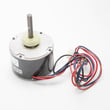
- Central air conditioner condenser fan motor 1053217
- Fan blade 1085840
Why it matters
A weak capacitor or failing condenser fan motor can cause repeated hard starts and overheating. Fixing the root cause quickly helps protect the compressor, reduces nuisance shutdowns, and restores normal cooling performance.
Last updated: February 2026
What tonnage is CA9630VKA1?
The Icp CA9630VKA1 central air conditioner is a 2.5-ton outdoor condensing unit. That tonnage is the unit’s nominal cooling capacity (about 30,000 BTU/hr), which matters when matching the condenser to the indoor coil and refrigerant line sizing.
Quick specs (what “2.5 ton” means)
- Nominal capacity: 2.5 tons
- Approx. BTU/hr: 30,000 (2.5 × 12,000)
- System matching: Must be paired with a properly sized indoor coil/air handler
- Electrical: Confirm your home’s supply matches the unit nameplate (voltage and phase)
| Rating | Value | Why it matters |
|---|---|---|
| Cooling capacity | 2.5 ton | Determines how much heat the system can remove |
| Cooling capacity | ~30,000 BTU/hr | Useful for load comparisons and sizing |
Why tonnage matters for repairs and parts
Correct tonnage helps ensure you select compatible components and avoid performance issues like short cycling, poor humidity control, or coil freeze-ups.
Common repair-related items that can affect cooling performance include:
- A failing run capacitor (hard starts, humming, fan not spinning)
- A worn contactor (unit will not start, intermittent operation)
- A weak condenser fan motor (overheating, high head pressure)
- A damaged fan blade (vibration, noise, reduced airflow)
If you are troubleshooting electrical start or fan issues, we recommend using a meter and safe testing practices before replacing parts. The DIY guide how to use a multimeter to test electrical parts video is a good starting point.
Parts you may need for CA9630VKA1
These are common parts on this model that relate to starting and outdoor fan operation:
Last updated: February 2026