Owner’s manual
 View engine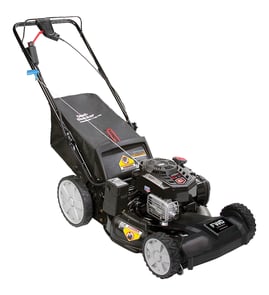


What are the common problems with Craftsman lawn mowers?
On the Craftsman 917375510 rotary lawn mower, the most common problems we see are starting issues (often from priming or ignition basics), poor cut quality, loss of power, excessive vibration, and drive problems such as being hard to push or not self-propelling. The troubleshooting chart in the 917375510 owner's manual maps these symptoms to the most likely causes.
Most common symptoms and what usually causes them
- Won’t start or starts then dies: over-priming (flooding), fuel valve not ON, spark plug or ignition issues
- Loss of power: dirty air filter, grass and debris buildup under the deck, cutting too much grass at once
- Poor cut or uneven cut: worn, bent, or loose blade; uneven wheel height settings; packed debris under the mower
- Excessive vibration: damaged/loose blade, broken blade adapter, or a bent crankshaft
- Starter rope hard to pull: blade dragging in grass, flywheel brake engaged when the control bar is released, or blade adapter problems
- Hard to push / drive issues: grass too high, wheel height too low, or worn drive components (belt, transmission, drive wheels)
Quick checks we recommend first (fast, safe wins)
- Disconnect the spark plug wire before working near the blade.
- Tip the mower safely (keep the air filter/carburetor side up) and clear packed grass from under the deck.
- Verify wheel height is even on all wheels.
- Inspect the blade for bends, cracks, or looseness; replace if damaged.
- If the mower is self-propelled and won’t move, inspect the drive system for wear.
Parts that commonly fix cut and vibration complaints
| Symptom | Common wear item | Example part for model 917375510 |
|---|---|---|
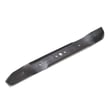
| Uneven cut, poor bagging, vibration | Blade | Blade.22.mul 532406713 |
| Vibration, blade won’t stay tight | Blade adapter | Lawn mower blade adapter 532421176 |
| Self-propelled slipping or no drive | Drive belt | Belt 532157769 |
Why it matters
These problems usually get worse quickly. A loose or damaged blade can cause severe vibration and damage the blade adapter or crankshaft, and heavy grass buildup under the deck can make the mower feel weak even when the engine is running normally.
Last updated: January 2026
What model number is the Craftsman 917375510?
The model number is 917.375510 (often written without the dot as 917375510) for this Craftsman rotary lawn mower. You can confirm it on the model tag and in the 917375510 owner's manual, where it’s listed on the cover page.
Where to find the model number on the mower
Most Craftsman walk-behind mowers place the model number on a product label or stamped plate. Check these common spots:
- On the rear deck near the discharge opening
- On the top of the mower deck near the engine mount area
- Near the rear wheel height-adjuster area
- On the handle support/bracket area (less common)
Why you might see it written two ways
Both formats refer to the same mower; the dot is just a formatting style.
| How it appears | What it means |
|---|---|
| 917.375510 | Model number as printed in the owner’s manual and some labels |
| 917375510 | Same model number without punctuation (common in parts lookups) |
Why it matters (parts and diagrams)
Using the exact model number helps us match the correct parts diagrams and hardware for your mower’s drive system, blade setup, and handle controls. For example, the correct mulching blade and drive components can vary by model series.
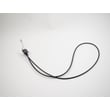
If you’re ordering parts for this mower, match by model number first, then verify the part by description and diagram callout. Common examples for this model include the blade.22.mul 532406713 and the lawn mower engine control cable 532183567.
Last updated: January 2026
What is the average lifespan of 917375510?
A Craftsman rotary walk-behind mower like model 917375510 typically lasts 8 to 12 years with normal residential use and routine maintenance. Lifespan depends most on oil changes, blade condition, belt and drive wear, and proper off-season storage (see the 917375510 owner's manual).
What affects lifespan the most
- Engine maintenance: clean oil, correct oil level, clean cooling fins
- Blade condition: a bent or dull blade increases vibration and engine load
- Drive system wear: belt, transmission, and wheel drive parts wear faster on hills
- Deck care: grass buildup and corrosion shorten deck life
- Storage habits: fuel stabilizer and dry storage prevent hard-start issues
Maintenance checkpoints to hit each season
- Change engine oil on schedule and keep the air filter clean
- Sharpen or replace the blade when cut quality drops
- Inspect the self-propelled drive for slipping or surging; replace worn drive parts as needed
- Clean the underside of the deck after mowing (when the engine is off and the spark plug wire is disconnected)
- Stabilize fuel before storage and run the engine briefly to circulate treated fuel
Common wear parts for this model
If the mower still runs well but performance drops, these model-matched parts are often involved:
| Symptom | Likely area | Example model-matched part |
|---|---|---|
| Poor cut, vibration | Blade and adapter | Blade.22.mul 532406713, lawn mower blade adapter 532421176 |
| Self-propel slips | Drive belt | Belt 532157769 |
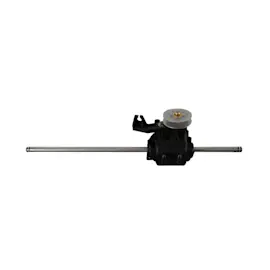
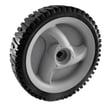
| Won't pull itself well | Drive wheels or transmission | Transmission 583222101, lawn mower wheel and tire, 8 x 1.75-in 583719501 |
Why it matters
A mower that is maintained and repaired early (before vibration, belt slip, or drive wear gets severe) lasts longer, cuts cleaner, and avoids secondary damage to the crankshaft, deck, and transmission.
Last updated: March 2026