Error Codes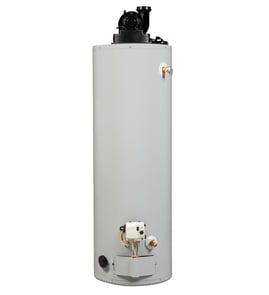





Who manufactures A. O. Smith gas water heaters?
A. O. Smith gas water heaters (including the Ao Smith model GCV50) are manufactured by A. O. Smith Water Products Company, a major North American water-heater manufacturer.
Quick manufacturer details
Here are the key points we use to identify the manufacturer behind A. O. Smith-branded gas water heaters:
- Manufacturer: A. O. Smith Water Products Company
- Brand on the tank: A. O. Smith
- Product type on this page: Ao Smith water heater (model GCV50)
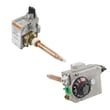
- Parts support examples for this model include items like an anode rod, pilot assembly, and control valve
Parts tie-in for Ao Smith GCV50
Knowing the manufacturer matters because it helps you match the correct OEM-style replacement parts for your exact heater configuration (burner, pilot, gas type, and safety controls).
Common manufacturer-specific parts you may see for this model include:
| Part type | Example part for GCV50 | What it affects |
|---|---|---|
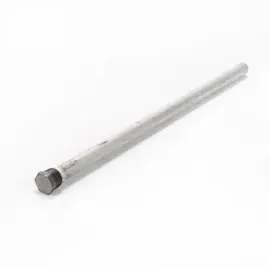
| Corrosion protection | Anode rod 100109624 | Tank life and rust prevention |
| Ignition/flame proving | Pilot assembly 100109294 | Pilot lighting and staying lit |
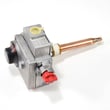
| Gas control | Control valve 100109219 | Temperature control and gas shutoff |
Why it matters
A. O. Smith builds multiple gas water heater platforms; parts like a pilot assembly, burner head, orifice, or control valve must match the exact model series and fuel setup. Using the correct manufacturer-matched part helps maintain safe ignition, stable burner operation, and proper temperature regulation.
Last updated: February 2026
What is the typical cost to replace a 50 gallon water heater?
Replacing a 50-gallon water heater like the Ao Smith GCV50 typically runs $800 to $3,000 installed. Electric replacements are usually less, while gas units (especially if venting, gas piping, or code updates are needed) land higher because labor and materials add up quickly.
Typical price ranges (unit + labor)
- Basic electric (standard tank): $700 to $1,800
- Standard atmospheric-vent gas: $900 to $2,500
- Power-vented gas or complex venting: $1,500 to $3,100+
- Add-ons (common): $100 to $800+ (pan, shutoff valve, expansion tank, venting changes)
| Replacement type | Typical installed cost | Most common cost drivers |
|---|---|---|
| Electric tank | $700 to $1,800 | Electrical whip, breaker/wiring, access |
| Gas tank | $900 to $2,500 | Venting, gas line work, combustion air |
| Power-vent gas | $1,500 to $3,100+ | Vent kit, condensate routing, electrical outlet |
What pushes the price up
- Code or safety upgrades (shutoff valves, seismic strapping, expansion tank)
- Venting changes (chimney liner, power-vent conversion, longer vent run)
- Hard access (attic, crawlspace, tight closet)
- Corroded fittings (old nipples, gas valve, or water lines that won’t break free)
- Leak protection add-ons (drain pan, drain line routing)
Why it matters
A “50-gallon replacement” quote is really a bundle of the tank, labor, and whatever is required to make the installation safe and compliant. Planning for common add-ons helps avoid surprise costs.
Parts that are often replaced during a swap
These are common wear or safety items customers replace while the heater is out:
- Release valve 100108279 (temperature and pressure relief valve)
- Drain pan 100108459 (leak containment under the tank)
- Anode rod 100109624 (helps protect the tank from corrosion)
Last updated: February 2026
How much should a 50 gallon gas water heater cost?
A 50-gallon gas water heater typically costs $600 to $1,500 for the tank (unit only). For an Ao Smith GCV50, the total installed price is usually $1,000 to $3,000+ once you include labor, permits, and any venting or gas-line updates.
What drives the price up or down
- Efficiency and venting type: standard atmospheric vent vs. power vent
- Emissions requirements: ultra-low NOx models often cost more
- Warranty length: longer warranties usually mean a higher upfront price
- Installation complexity: tight spaces, code upgrades, new shutoff valves, or drip pan needs
- Local labor rates and permit fees: these vary widely by area
Unit-only vs. installed cost (quick comparison)
| Cost type | Typical range | What’s included |
|---|---|---|
| Unit only | $600 to $1,500 | Water heater tank and factory components |
| Installed total | $1,000 to $3,000+ | Labor, haul-away, permits, fittings, and possible venting/gas updates |
Parts and maintenance costs to plan for
Even with a new heater, budgeting for maintenance helps control long-term ownership cost.
- Anode replacement: helps slow tank corrosion (common maintenance item)
- Pilot and burner service: improves ignition reliability and combustion
- Drain pan: helps protect flooring if the heater is installed above finished areas
If you are pricing upkeep parts for the GCV50, examples include the anode rod 100109624 and pilot assembly 100109294.
Why it matters
The cheapest heater is not always the lowest-cost option long term. A model with the right venting type, warranty, and maintenance plan can reduce nuisance shutdowns, extend service life, and avoid expensive installation changes.
Last updated: February 2026
What is the most common problem with gas water heaters?
The most common gas water heater problem is “no hot water” caused by a pilot ignition failure or a weak safety sensor in the pilot system. On the Ao Smith GCV50, the most frequently replaced items tied to this symptom are the pilot assembly and the gas control valve.
Most common symptoms and what they usually mean
- Pilot will not stay lit: failing pilot components, dirty burner area, or airflow issues
- No hot water but pilot is on: gas control valve/thermostat not regulating gas flow correctly
- Rumbling or popping sounds: sediment buildup in the tank overheating on the burner
- Slow recovery (runs out of hot water fast): sediment insulating the tank bottom, burner not burning cleanly
- Water around the heater: leaking fittings, temperature and pressure relief discharge, or tank leak
Quick checks we recommend first (safe, no disassembly)
- Confirm the gas shutoff valve is fully open and other gas appliances work.
- Check for a strong, steady pilot flame (a weak flame often points to a pilot or burner issue).
- Look for lint, dust, or debris around the combustion air intake and burner area.
- Listen for rumbling that gets worse during heating cycles (classic sediment sign).
- If you see water, identify whether it is from a fitting, the drain valve area, or the relief line.
Parts that commonly solve “no hot water” on the GCV50
| Symptom | Likely part to inspect/replace | What it does |
|---|---|---|
| Pilot will not light or won’t stay lit | Pilot assembly 100109294 | Provides pilot flame and safety sensing for ignition |
| Temperature is erratic or burner will not stay on | Control valve 100109217 | Regulates gas flow and water temperature |
| Weak flame or poor combustion | Burner head 100109226 | Shapes and stabilizes the burner flame |
Why it matters
Pilot and control issues stop heating completely, while sediment buildup quietly reduces efficiency and shortens tank life by overheating the bottom of the tank. Catching the symptom early often prevents repeat shutdowns and poor hot water recovery.
Last updated: February 2026
What is the specs of GCV 50?
The Ao Smith model GCV50 is a 50-gallon residential natural gas water heater (tall-style in many installations). For exact ratings (BTU input, height, diameter, vent size, and recovery rate), match the data plate on your tank; those values vary by GCV50 series and build.
Key specs to confirm on your unit’s data plate
Use the rating label on the jacket (often near the gas control) to confirm these common spec fields:
- Capacity: 50 gallons
- Fuel type: natural gas (verify if your home uses LP conversion)
- Input rating (BTU/hr): listed on the label
- Vent type and vent size: listed on the label (critical for safe draft)
- Dimensions: height and diameter listed on the label or measured
- Gas type/orifice information: listed on the label and tied to the burner/orifice setup
Typical GCV50 size and performance ranges (helpful for planning)
Most 50-gallon tall gas water heaters are in these general ranges (use your data plate for exact numbers):
- Height: about 56 to 62 inches
- Diameter: about 20 to 24 inches
- Input: commonly about 30,000 to 40,000 BTU/hr
- First-hour rating: often roughly 70 to 90 gallons (depends on input and efficiency)
| Spec item | What you’ll see | Why it matters |
|---|---|---|
| BTU input | A number like 35,000 BTU/hr | Impacts recovery speed and venting requirements |
| Vent size/type | Diameter and draft method | Must match your flue setup for safe operation |
| Gas type | Natural gas or LP | Wrong gas setup causes poor combustion |
| Dimensions | Height and diameter | Ensures it fits the space and hookups align |
Parts that relate to “specs” (gas type, safety, longevity)
If you’re confirming configuration or planning maintenance for GCV50, these model-matched parts are commonly involved:
- Natural gas orifice 100109266 (ties directly to gas type and combustion)
- Control valve 100109217 (temperature control and gas regulation)
- Pilot assembly 100109294 (ignition and flame sensing)
- Release valve 100108279 (temperature and pressure safety)
- Anode rod 100109624 (corrosion protection and tank life)
Why it matters
Water heater “specs” are not just dimensions; they determine venting compatibility, gas supply requirements, hot water recovery, and safety. Confirming the data plate details prevents mismatched parts (like an orifice) and helps you choose the correct replacement components.
Last updated: February 2026
How long does an A. O. Smith 50 gallon water heater last?
Most Ao Smith 50-gallon gas water heaters like model GCV50 last 8 to 12 years. With consistent maintenance (tank flushing, burner checks, and replacing worn corrosion-protection parts), it’s common to reach the upper end of that range and sometimes longer.
Typical lifespan (what to expect)
Water heater life is driven by corrosion, sediment buildup, and burner wear. Here’s a practical rule of thumb for a 50-gallon gas tank unit:
| Condition | Typical lifespan | What usually ends it |
|---|---|---|
| Average use, basic upkeep | 8 to 12 years | Tank corrosion or heavy sediment |
| Hard water, little maintenance | 6 to 10 years | Accelerated corrosion, overheating from sediment |
| Regular flushing + anode maintenance | 10 to 15+ years | Tank eventually corrodes, even with care |
Maintenance that extends life
We recommend these habits for the Ao Smith GCV50 to slow corrosion and reduce sediment-related stress:
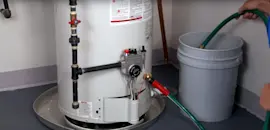
- Flush the tank yearly to remove sediment (more often with hard water).
- Inspect and replace the anode rod when it’s heavily worn; it protects the tank lining. Consider the anode rod 100109624 and, if your tank uses it, the 2nd anode 100111369.
- Keep the combustion air path clear; a clogged intake can cause poor combustion and soot. Check the screen 100109216 if your unit uses a flame arrestor style intake.
- Watch for burner and pilot issues (delayed ignition, weak flame, frequent pilot outages) and service as needed.
- Test the temperature and pressure relief valve yearly and replace it if it drips or won’t reset (a common safety and reliability item).
Signs it’s near end of life
Replace planning makes sense when you see any of these:
- Rusty water or rust flakes at faucets
- Water around the base of the tank (not from plumbing fittings)
- Rumbling or popping sounds that persist after flushing
- Repeated pilot outages or burner problems
- Relief valve weeping that returns after correcting pressure/temperature
Why it matters
A water heater usually fails from internal tank corrosion; once the tank leaks, repairs are rarely cost-effective. Replacing sacrificial parts like an anode rod and controlling sediment are the two biggest levers you have to extend service life.
Last updated: February 2026