Owner’s manual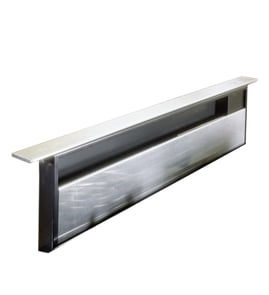



What are the cons of a downdraft range?
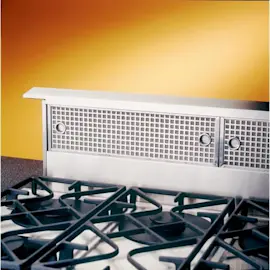
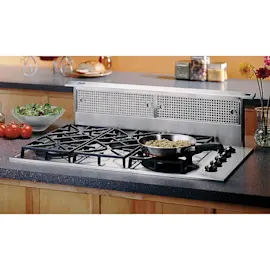
Downdraft ventilation (like the Kenmore 2335994090 downdraft blower system) trades convenience and a clean sightline for performance and space. The biggest downsides are weaker capture of smoke and steam than an overhead hood, reduced cabinet room for ducting, and more involved installation and service access.
Key drawbacks to expect
- Less effective smoke capture: Steam and smoke naturally rise; a downdraft has to pull them sideways and down, so heavy searing and wok cooking can overwhelm it.
- Possible gas-flame disturbance: High airflow can affect some gas cooktop flames; lowering blower speed corrects it (this is considered normal operation). See the 2335994090 owner’s manual.
- Cabinet space loss: Ductwork and the blower housing take up under-cooktop storage.
- Ducting limits matter: Long or complex duct runs reduce performance; many systems are planned to stay at 40 ft or less of equivalent duct length. See the 2335994090 owner’s manual.
- Higher install complexity and cost: Cutting the countertop, routing ductwork, and providing a grounded outlet inside the cabinet typically takes more labor than a standard hood.
- Harder maintenance access: Cleaning and servicing can require pulling the cooktop or accessing tight cabinet areas.
What we recommend before choosing downdraft
- Match the ventilation to your cooking style (light simmering vs. frequent high-heat frying).
- Plan the duct route first; fewer elbows and shorter runs improve airflow.
- If you cook on gas, plan to use lower fan speeds when needed.
Quick comparison
| Feature | Downdraft ventilation | Overhead range hood |
|---|---|---|
| Smoke/steam capture | Fair to good | Good to excellent |
| Cabinet space impact | Higher | Lower |
| Install difficulty | Higher | Medium |
| Best for | Open sightlines, islands | Heavy cooking, best capture |
Why it matters
Ventilation performance affects indoor air quality, grease buildup, and how comfortable your kitchen feels during high-heat cooking. A downdraft can work well when the ducting is planned correctly and expectations match the cooking load.
Last updated: February 2026
Does downdraft cooktop ventilation work?
Yes, Kenmore downdraft ventilation (including model 2335994090) works well for everyday cooking by pulling steam, light smoke, and odors down at the cooktop surface. For heavy smoke or high-heat searing, performance depends heavily on blower speed, proper cooktop alignment, and short, low-restriction ductwork (all covered in the 2335994090 owner’s manual).
What “works well” looks like in real kitchens
Downdraft systems are designed to capture airborne contaminants at the cooking surface and exhaust them through ductwork. In the manual, Kenmore notes the unit’s high airflow can even affect a gas flame; lowering blower speed corrects that behavior.
You will usually be happy with downdraft ventilation when you:
- Simmer, boil, and do most day-to-day sautéing
- Use the correct blower speed for the cooking task
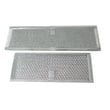
- Keep the grease filters clean and installed correctly (tabs up; wider filter on the left)
- Have a short duct run with minimal elbows and transitions
- Maintain a small, correct gap between the cooktop and downdraft cover
Key setup details that make the biggest difference
The manual calls out two items that directly impact capture and airflow.
- Cooktop alignment: Maintain a 1/32" to 1/16" gap between the back of the cooktop and the front of the downdraft cover.
- Ductwork planning: Best performance comes from the shortest duct length with the fewest elbows/transitions; the system is designed for 3-1/4" x 10" ductwork (can be transitioned to 6" round).
| Cooking situation | Downdraft result (typical) | Best practice |
|---|---|---|
| Boiling pasta, steaming | Strong capture | Medium speed, clean filters |
| Pan-frying, moderate smoke | Good capture | Higher speed, minimize cross-drafts |
| Searing, wok cooking | Mixed results | Highest speed, shortest duct run |
Quick checks if performance seems weak
- Wash the aluminum grease filters (mild detergent or dishwasher) and reinstall correctly.
- Verify the vent rises fully when you press the activating switch.
- Reduce duct restrictions (crushed duct, too many elbows, blocked wall/roof cap).
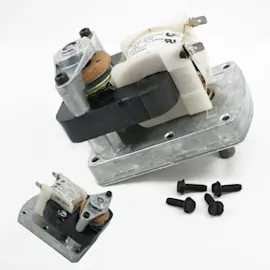
- If the vent does not raise/lower reliably, inspect the lift mechanism components such as the motor gear box 99080590.
Why it matters
Downdraft ventilation is very sensitive to airflow losses. Clean filters, correct cooktop spacing, and efficient duct routing keep the blower moving enough air to capture smoke before it spreads through the kitchen.
Last updated: February 2026
Do downdraft vents need to be vented outside?
Yes. For the Kenmore downdraft blower model 2335994090, a ducted downdraft fan must be vented to the outdoors for safe, effective removal of smoke, heat, and cooking odors; this model is designed for ducted (outside) venting.
What “vented outside” means for a downdraft system
A ducted downdraft pulls air down and sends it through metal ductwork to an exterior termination (outside wall or roof, depending on the home layout). It is not the same as a ductless, recirculating hood.
Key points to follow:
- Ducted fans must vent outdoors (not into an attic, crawlspace, or another interior cavity).
- Use metal ductwork to reduce fire risk.
- Turn the blower on before cooking and let it run a few minutes after cooking to clear the air.
- Keep the unit properly grounded and disconnect power before cleaning or service.
Quick comparison: ducted vs. ductless
Most downdraft systems like Kenmore 2335994090 are intended to be ducted.
| Setup | Where the air goes | Odor and smoke removal | Typical use case |
|---|---|---|---|
| Ducted (recommended) | Outdoors | Strongest | Frequent cooking, high heat, greasy smoke |
| Ductless (recirculating) | Back into kitchen through filters | Limited | Only when outside ducting is impossible |
Installation and safety checks we recommend
Use the guidance in the 2335994090 owner’s manual and confirm your duct path is practical before you buy ducting.
- Verify you have a clear route to an exterior vent cap
- Use the correct duct size and keep runs as short and straight as possible
- Seal duct joints with appropriate duct tape (not cloth “duck” tape)
- Avoid crushing or sharply kinking ductwork
- Follow local codes and accepted ventilation standards
Why it matters
Venting a ducted downdraft outdoors prevents grease-laden air and moisture from being dumped into hidden spaces, improves capture performance, and helps keep your kitchen cleaner during heavy cooking.
Last updated: February 2026
How much does downdraft ventilation cost?
A Kenmore downdraft ventilation system like model 2335994090 typically runs $900 to $2,000 for the unit, and the total installed cost is higher when ductwork, electrical work, or cabinet and countertop modifications are needed. Repairs can cost far less than replacing the full downdraft.
What drives the total installed cost
- Ductwork changes: longer runs, more elbows, or switching discharge direction
- Electrical work: adding or relocating a grounded outlet, circuit work if required
- Cabinet and countertop modifications: cutting, reinforcing, and finishing
- Access and labor time: tight cabinets and existing cooktop removal increase labor
- Parts vs. full replacement: replacing a failed component is often the lowest-cost path
Model 2335994090 details to check before you price an install
Use the 2335994090 use & care/installation manual to confirm the requirements that most affect labor and materials:
- Electrical supply and plug/outlet location
- Duct size, discharge orientation, and allowable duct length
- Cutout dimensions and clearances in the cabinet/countertop
- Included hardware vs. additional materials you must supply
Common cost buckets (typical)
| Cost bucket | What it includes | Why it varies |
|---|---|---|
| Unit price | Downdraft blower assembly | Brand, size, features, finish |
| Venting materials | Duct, elbows, caps, transitions | Route length and complexity |
| Electrical | Outlet, wiring, breaker work | Existing kitchen wiring setup |
| Carpentry | Cutouts, reinforcement, trim | Countertop material and cabinet design |
When a repair is the better value
If the downdraft still fits your countertop and cabinetry, replacing a failed part is usually the most cost-effective option.
- If the vent will not raise/lower, check lift-drive components such as the motor gear box 99080590
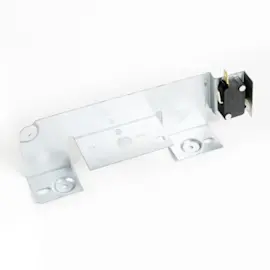
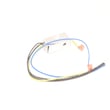
- If controls are unresponsive, inspect the range hood wire harness S97010993 and switch components
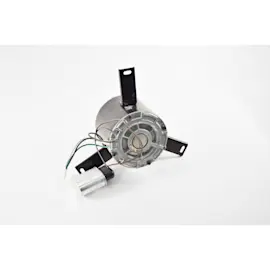
- If the fan is noisy or not moving air, the range hood fan motor assembly S97011311 is a common suspect
Why it matters
Downdraft costs are heavily installation-driven; duct routing and cabinet modifications often cost more than the blower itself, and they also determine how well the system captures smoke and odors.
Last updated: February 2026