Owner’s manual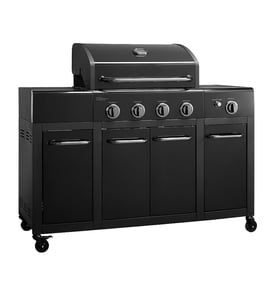

How to tell if a regulator is bad on a gas grill?
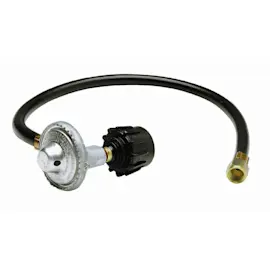
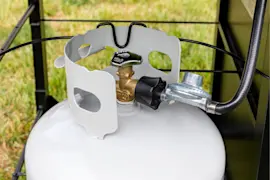
On the KitchenAid 740-0781 gas grill, a bad gas pressure regulator usually shows up as very low heat, weak flames, or a grill that will not heat properly even with the tank valve fully open. We also treat any suspected gas leak as an immediate stop-use situation.
- Flames stay low on all burners even after preheating
- Grill will not get up to normal cooking temperature
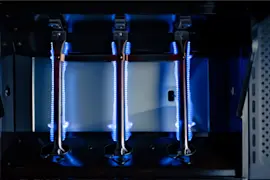
- Burner flames look abnormal (often lazy or yellow instead of steady blue)
- You hear an unusual hissing or whistling near the regulator connection
- You see frost/icing on the regulator during use (LP setups)
- The hose shows cuts, abrasions, cracking, or heavy wear (replace the assembly)
If you smell gas or suspect a leak:
- Turn the tank valve off.
- Do not light the grill.
- Brush an approved noncorrosive leak-detection solution on connections; bubbles indicate a leak.
- If bubbles appear, keep the gas off and have a qualified gas technician make repairs.
These steps match the connection and leak-test process in the owner's manual.
This model can act like the regulator is bad if the LP tank’s flow-limiting device trips. Typical symptom: the grill lights but flames are very low and it will not heat properly.
Try this reset:
- Turn the tank valve off.
- Turn all burner control knobs off.
- Wait 30 seconds.
- Very slowly open the tank valve, then try lighting again.
The 740-0781 is designed to use the supplied regulator; correct inlet pressure matters.
| Gas type | Regulator operating pressure | Inlet (supply) pressure range |
|---|---|---|
| LP gas | 11" WCP | 11" to 14" WCP |
| Natural gas | 4" WCP | 7" to 14" WCP (max) |
A weak or leaking regulator can cause poor cooking performance, flare-ups from improper combustion, or unsafe gas leakage. Confirming leaks and correcting low-flow issues protects your grill, your food, and your home.
Last updated: February 2026
Is it worth fixing a gas grill?
Yes, fixing a gas grill is worth it when the firebox and frame are solid and the problem is limited to serviceable items like ignition, burners, or the regulator/hose; for the KitchenAid 740-0781, the owner's manual supports routine troubleshooting and maintenance that often restores safe, reliable performance.
- Fix it if the grill lights inconsistently, heats unevenly, or has minor gas-flow issues you can trace to normal wear items.
- Fix it if cleaning the burners and checking the igniter battery/wiring resolves the symptom.
- Fix it if the regulator/hose shows wear and you can replace it as a normal maintenance item.
- Replace it if the firebox is rusted through, the lid or base is badly warped, or structural corrosion makes the grill unstable.
- Replace it if you repeatedly have gas leaks or unsafe operation even after correcting connections and worn components.
The manual’s troubleshooting and safety steps point to a few high-value checks that often make a repair worthwhile:
- Confirm the LP tank valve is on and there is fuel in the tank.
- Open the hood fully before lighting.
- If flames are low or it will not light, reset the LP flow limiter: shut everything off, wait about 30 seconds, then reopen the tank valve very slowly.
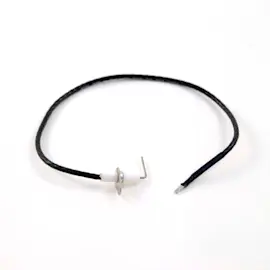
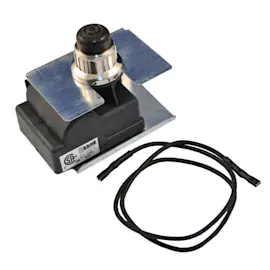
- Inspect the igniter: install/replace the AA battery, check for loose wires, and clear debris near the electrode.
- Brush on an approved noncorrosive leak-detection solution at connections; bubbles indicate a leak.
| Condition or symptom | Usually worth fixing? | Typical root cause |
|---|---|---|
| Won’t ignite but match-lights | Yes | Battery, electrode gap/debris, loose wires |
| Low heat on all burners | Yes | LP flow limiter tripped, regulator issue, low tank |
| Uneven heating | Yes | Clogged burner ports, grease buildup, burner wear |
| Persistent gas smell/leak | Sometimes | Loose fitting, damaged hose/regulator, valve issue |
| Firebox/frame rusted through | No | Structural failure |
A grill that is structurally sound but not lighting or heating correctly is often a straightforward fix; following the manual’s leak-testing, ignition checks, and gas-supply steps helps restore performance while keeping operation safe.
For more troubleshooting and maintenance tips, see gas grill wont ignite or light video and how to fix uneven heating on a gas grill video.
Last updated: February 2026
Is the KitchenAid grill being discontinued?
Yes. The KitchenAid 740-0781 gas grill line is discontinued, so you should expect limited availability of new, model-specific replacement parts and fewer service options over time. For the most accurate model details and maintenance procedures, use the owner's manual.
When a gas grill model is discontinued, it typically affects parts and support like this:
- Some replacement parts become harder to find as inventory sells through
- Compatible “universal” items (like igniter batteries and some hardware) are often still available
- You may need to match parts by measurements and fit, not just by model number
- Routine care becomes more important to prevent burner, ignition, and grease-related problems
We recommend these steps to keep your KitchenAid 740-0781 running reliably:
- Use the manual’s parts and maintenance sections to identify what you need before ordering
- Inspect burners and carryover channels for rust, cracks, or clogged ports
- Check the igniter and battery condition if the grill clicks but will not light
- Clean grease trays and firebox surfaces regularly to reduce flare-ups
- Verify gas type (LP vs. natural gas) before replacing regulators, valves, or orifices
| Situation | What you’ll notice | Best next step |
|---|---|---|
| Ignition problems | Clicking, weak spark, or no spark | Follow battery and igniter checks in the manual; then use a targeted repair guide like gas grill wont ignite or light video |
| Uneven heat | Hot spots, low heat on one side | Clean burners and ports; confirm proper flame pattern; use how to fix uneven heating on a gas grill video |
| Flare-ups | Sudden flames, heavy smoke | Deep-clean grease areas; adjust cooking method; use how to prevent grease flare ups on a gas grill video |
Discontinued grills can still perform well for years, but small issues (clogged burner ports, weak ignition, grease buildup) become bigger problems when parts are less available. Staying on top of cleaning, flame quality, and gas supply checks helps you avoid downtime.
Last updated: February 2026
What is the average lifespan of a gas grill?
Most gas grills last 5 to 15 years with normal use and consistent maintenance; many people replace them sooner (often around 3 years) due to rust, neglected cleaning, or worn burners and ignition parts. For your KitchenAid 740-0781, following the care and use guidance in the owner's manual helps you reach the longer end of that range.
- Burners and carryover tubes: often wear out first from corrosion and clogged ports
- Ignition system (electrodes, wires, module): can fail from moisture and grease buildup
- Heat plates/flame tamers and cooking grates: degrade from high heat and acidic marinades
- Regulator and hose (LP setups): can weaken or restrict flow over time
- Firebox and lid: can last many years if grease is managed and the grill is covered
- Brush grates after preheating; then wipe lightly oiled to reduce sticking and rust
- Clean burner ports and venturi area to prevent uneven heating and flare-ups
- Keep the grease tray and firebox clear to reduce corrosion and grease fires
- Check gas connections for leaks after moving the grill or changing the tank
- Store with a fitted cover and keep the grill dry between uses
| Symptom | Most common cause | Best next step |
|---|---|---|
| Won’t ignite | weak igniter, bad electrode gap, failed module | troubleshoot ignition and clean electrodes |
| Uneven heat | clogged burner ports, blocked venturi, dirty heat plates | deep clean burners and heat distribution parts |
| Low flame | regulator issue, tank valve flow restriction, supply pressure problem | reset regulator, verify supply setup |
| Excess flare-ups | grease buildup | clean firebox and grease management parts |
A grill usually gets replaced when it becomes unreliable (won’t light, heats unevenly, or flares up). Regular cleaning and timely replacement of wear items keeps cooking temperatures stable and helps prevent damage to the firebox and lid.
For cooking and care tips that also help longevity, see the secret to great grilling.
Last updated: February 2026