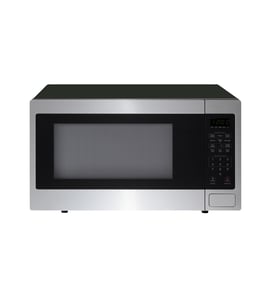



What is the life expectancy of a countertop microwave?
A countertop microwave typically lasts 9 to 10 years with normal household use. For your Dacor DMO24S, lifespan depends most on ventilation, keeping the cavity and waveguide area clean, and avoiding overheating events that strain high-voltage parts.
Most countertop microwaves fail from heat stress, door-switch wear, or high-voltage component fatigue.
- Usage frequency: multiple long cook cycles per day shortens life
- Ventilation: blocked vents raise internal temperatures
- Cleanliness: grease and food debris can cause arcing and corrosion
- Power quality: frequent brownouts or surges stress electronics
- Door handling: slamming the door accelerates latch and switch wear
These symptoms often show up as a microwave nears the end of its service life:
| Symptom | Common cause | Typical fix path |
|---|---|---|
| Runs but does not heat | Magnetron, capacitor, diode, transformer | Pro-level diagnosis; replace failed component |
| Dead, no display | Fuse, fuse block, wiring, control | Check fuse and connections first |
| Loud buzzing/humming | High-voltage section or fan issues | Inspect fan and high-voltage components |
| Sparks/arcing inside | Burned waveguide cover, metal, heavy soil | Stop using until corrected |
For heating failures, we use the same core checks described in why is my microwave not heating.
These habits add years for many households:
- Keep air intake and exhaust vents clear on all sides
- Wipe the cavity after spills; do not let grease bake on
- Use microwave-safe containers; avoid foil and metal trim
- Do not run it empty; it overheats the magnetron
- If arcing occurs, stop immediately and correct the cause before using again
A microwave can appear “fine” right up until a high-voltage part fails. Preventing overheating and arcing reduces stress on expensive components like the magnetron, which helps you get the full 9 to 10 years.
Last updated: February 2026
What is the most reliable countertop microwave?
The most reliable countertop microwave is the one that matches your cooking habits and is maintained well; for many homes, a simple 900 to 1200 watt model with basic controls is the most dependable long-term. If you already own a Dacor DMO24S, keeping it clean, ventilated, and properly repaired delivers the best real-world reliability.
Reliability usually comes down to fewer failures in the parts that do the hardest work: the high-voltage heating system, cooling airflow, and door safety switches.
Common reliability factors we look for:
- Strong, consistent heating (magnetron and high-voltage components)
- Good airflow and cooling (fan and ducting)
- Solid door latching and safe operation (interlock system)
- Simple controls and fewer “extra” features to fail
- Easy-to-replace wear items (tray and hardware)
When you compare countertop microwaves, prioritize these specs and habits:
- Wattage: 900 to 1200 watts is a dependable sweet spot for most kitchens
- Ventilation clearance: leave space around the cabinet so heat can escape
- Turntable fit: confirm the tray size and roller ring style are common
- Controls: basic keypad and fewer sensor-only modes tend to be more predictable
- Serviceability: choose a model with readily available replacement parts
Many “unreliable” symptoms are repairable with the right part.
| Symptom | Most likely area | Example part on this model page |
|---|---|---|
| Runs but does not heat | High-voltage heating circuit | Dacor magnetron 86807 |
| Loud buzzing or burning smell while heating | High-voltage components | Dacor transformer 86806 |
| Poor airflow or overheating shutdown | Air ducting and cooling path | Dacor duct 86841 |
| Turntable not working smoothly | Turntable system | Dacor tray 86827 |
A countertop microwave can last a long time when airflow stays clear and the high-voltage system is not stressed by overheating, arcing, or running empty. Choosing a straightforward model and keeping the cavity and vents clean is the most reliable path, regardless of brand.
For safe-use habits that directly improve reliability, follow never do these things with a microwave.
Last updated: February 2026
What's the best inexpensive microwave?
For most kitchens, the best inexpensive microwave is a simple 0.9 to 1.1 cu. ft. countertop model with 900 to 1,100 watts, a glass turntable, and basic one-touch presets. If you already own a Dacor DMO24S, repairing common wear items is often the lowest-cost way to keep a reliable microwave in service.
- Power: 900 to 1,100 watts for faster, more even heating
- Size: 0.9 to 1.1 cu. ft. fits most plates and small casserole dishes
- Turntable: glass tray plus a stable roller ring (helps prevent hot spots)
- Controls: dedicated buttons for reheat, defrost by weight, and add-30-seconds
- Interior: easy-clean cavity and a door that closes firmly without slamming
If your DMO24S still runs but performance is slipping, a few targeted repairs can cost less than replacing the whole unit.
Common examples:
- Cracked or missing turntable: replace the Dacor tray 86827
- No heat or weak heat: high-voltage components may be involved (service-level repair)
- Rattles or vibration: check mounting hardware and panels; replace missing fasteners such as the Dacor microwave screw 86821
| Option | Best for | Typical cost drivers | Time to resolve |
|---|---|---|---|
| Buy an inexpensive countertop microwave | You want a fresh warranty and modern presets | New unit price | Same day to a few days |
| Repair DMO24S | Unit is otherwise solid and fits your space | Tray, screws, internal electrical parts | Same day to a week |
Microwaves that are underpowered or lack a stable turntable tend to heat unevenly, which wastes time and can overcook edges while leaving centers cool. Choosing the right wattage and keeping key parts (like the tray and hardware) in good shape improves everyday results.
For safety, we recommend leaving high-voltage testing and internal heating-circuit repairs to a qualified technician; those components can retain dangerous charge even when unplugged.
Last updated: February 2026


