Error Codes


Is Amana a low-end brand?
Yes. Amana is positioned as a value-focused, budget-friendly appliance brand; for an Amana washer like model NFW5800HW4, that typically means fewer premium features and simpler controls, with solid everyday performance when the washer is installed correctly and maintained.
What “low-end” usually means for Amana washers
Amana generally competes on affordability and straightforward design rather than luxury features.
- Fewer specialty cycles and smart features than many premium lines
- More emphasis on basic wash performance and easy operation
- Lower upfront cost; repairs often focus on common wear items (pump, valve, door lock)
- Parts availability is typically good for core components
What to expect: value vs. premium (quick comparison)
| Category | Amana (value line) | Premium washer lines |
|---|---|---|
| Features | Essentials-first | More specialty cycles, smart features |
| Controls | Simpler | More advanced interfaces |
| Cost | Lower upfront | Higher upfront |
| Typical repairs | Common wear parts | Wear parts plus more electronics |
Why it matters
Knowing the brand positioning helps set expectations: if you want reliable basics at a lower price, Amana is a strong fit; if you want quieter operation, more cycle options, or advanced features, a higher-tier line usually delivers more.
Keeping an Amana front-load washer running strong
These steps reduce odor, leaks, and drain issues on front-load washers like NFW5800HW4.
- Use the right amount of HE detergent; too much can cause residue and odor
- Leave the door slightly open between loads to dry the bellow area
- Clean the dispenser and wipe the door seal regularly
- Check fill hoses for bulges or leaks and replace as needed
- If draining gets slow, inspect the pump area and drain path
If you are troubleshooting a drain problem, the washer drain pump assembly W11458345 is a common repair part for this model.
Helpful DIY reading
For general washer care and best practices, use how to use your washing machine efficiently.
Last updated: January 2026
What is the life expectancy of an Amana washer?
Most Amana washers, including the Amana NFW5800HW4 front-load washer, typically last 8 to 12 years with normal household use. With consistent cleaning, correct detergent use, and prompt repair of leaks or draining issues, it’s common to reach the upper end of that range.
Typical lifespan and what affects it
A washer’s service life depends more on use and care than the brand badge. The biggest drivers are load size, water quality, and how quickly small problems are fixed.
- Loads per week: more cycles equals faster wear on bearings, pump, and door lock
- Overloading: strains the tub, drum, and motor system
- Detergent choice: too much HE detergent can cause oversudsing and residue
- Moisture left in the door boot: encourages odor and mold buildup
- Hard water: increases scale in valves and internal waterways
What usually fails first (and what to watch for)
On front-load washers like the NFW5800HW4, these symptoms often show up before a major breakdown:
- Slow or no draining, standing water, or grinding during drain (often tied to the drain pump)
- Door won’t lock or unlock, or cycle won’t start (often tied to the door lock or strike)
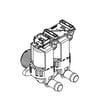
- Not filling, filling slowly, or incorrect water temperature (often tied to the inlet valve)
- Musty odor or visible residue around the door opening (often tied to the door bellow)
If you’re troubleshooting a drain issue, the washer drain pump assembly W11458345 is a common repair part for this model.
Maintenance that extends life (simple routine)
- Leave the door slightly open between loads to dry the tub and bellow
- Run a monthly cleaning cycle (or hot cycle) to reduce residue
- Use HE detergent and measure carefully
- Check pockets and use a mesh bag for small items to reduce pump clogs
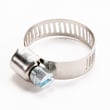
- Replace aging fill hoses every 5 years; consider washer fill hose set 8212545RP
Quick reference: lifespan expectations
| Usage pattern | Typical life expectancy |
|---|---|
| Light (1 to 3 loads/week) | 10 to 12 years |
| Average (4 to 7 loads/week) | 8 to 12 years |
| Heavy (8+ loads/week) | 6 to 10 years |
Why it matters
Planning around an 8 to 12 year lifespan helps you decide when a repair (like a pump, valve, or door lock) is cost-effective versus when it’s time to budget for replacement.
Last updated: January 2026
What is the most common problem with front load washers?
The most common problem with front-load washers (including the Amana NFW5800HW4) is musty odor and mold or mildew growth, usually caused by moisture trapped around the door boot and detergent residue in the dispenser. Leaks and drain issues are also common when hoses or the drain pump get restricted.
What usually causes the odor and mold
Front-load washers seal tightly for efficiency, so small amounts of water can stay behind after a cycle. That moisture, plus detergent and fabric softener residue, creates a perfect environment for mildew.
Common contributors:
- Leaving the door closed between loads
- Using too much detergent (especially HE detergent overdosing)
- Frequent cold-water washing
- Not cleaning the door boot folds and glass
- Detergent buildup in the dispenser area
Quick prevention steps we recommend
These habits prevent most odor complaints and also reduce leak risk over time:
- Wipe the door boot folds and the inside of the glass after the last load
- Leave the door and dispenser slightly open to dry out
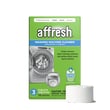
- Run a monthly cleaning cycle (hot) with an approved washer cleaner
- Use the correct amount of HE detergent; reduce if you see excess suds
- Check pockets and use a mesh bag for small items to reduce drain clogs
When it is more than “normal odor”
If you also see standing water, slow draining, or a wet smell that returns quickly, focus on the drain path and seals.
| Symptom | Most likely area | What to check first |
|---|---|---|
| Musty smell only | Door boot, dispenser | Drying habits, cleaning routine |
| Water left in drum | Drain system | Pump filter area, drain hose routing |
| Water on floor at front | Door seal area | Boot tears, debris on sealing surface |
| Won’t unlock or won’t start | Door lock system | Latch alignment, lock operation |
Helpful model-related parts to consider when symptoms match:
- Washer drain pump assembly W11458345 (if the washer drains slowly or leaves water behind)
- Bellow, d412 W11314648 (if you find tears, deformation, or persistent leaks at the door)
Why it matters
Odor and mildew are not just unpleasant; they also shorten the life of components by keeping the washer damp, increasing residue buildup, and raising the chance of leaks and drain restrictions.
For deeper cleaning guidance, we use the steps in how to get rid of mold in a front load washer.
Last updated: January 2026