Owner’s manual
 Error Codes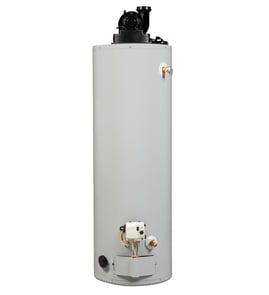



How much should a 40 gallon gas hot water heater cost?
For an American BFG1F4040S3NOV 40-gallon gas water heater, a typical unit-only price is about $500 to $1,200+, depending on warranty length and efficiency; with professional installation, many homeowners land around $1,500 to $3,000+ total.
What drives the price (unit and installed)
A 40-gallon gas tank water heater price can swing a lot because the “heater” is only part of the project.
- Efficiency and venting type (standard atmospheric vs. higher-efficiency designs)
- Warranty length (often correlates with build features)
- Gas line and shutoff updates (code-compliant valve, drip leg, sediment trap)
- Venting work (draft hood/vent connector sizing, chimney condition)
- Plumbing updates (shutoff valve, unions, expansion tank, drain pan)
- Local labor rates and permit requirements
Typical cost ranges (quick guide)
| Cost item | Typical range | Notes |
|---|---|---|
| 40-gallon gas water heater (unit only) | $500 to $1,200+ | Brand, efficiency, warranty drive this most |
| Basic professional installation | $1,000 to $2,500 | Can rise if venting or piping must be reworked |
| Total project (unit + install) | $1,500 to $3,000+ | Common “real-world” range |
Model-specific notes for BFG1F4040S3NOV
Your BFG1F4040S3NOV is a gas water heater with a draft hood style venting approach described in the BFG1F4040S3NOV use & care manual. That means installation cost can increase if the existing vent connector or chimney needs cleaning, resizing, or correction to meet safe draft requirements.
When repair makes more sense than replacement
If your tank is otherwise in good shape, a repair can be far less than a full replacement. Common maintenance items include:
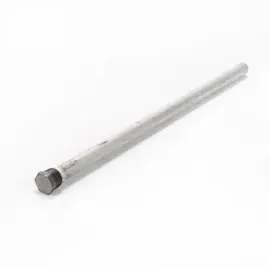
- Replacing a depleted anode rod to help slow tank corrosion: water heater anode rod 100109594
- Replacing a leaking relief valve (a safety device): t&p valve 100108279
- Fixing pilot/ignition problems: water heater pilot igniter 100110927
Why it matters
Choosing the right budget up front helps you avoid surprise add-ons (venting, gas piping, expansion control) and helps you decide whether a targeted repair is the smarter short-term move.
Last updated: January 2026
Is it cheaper to repair or replace a water heater?
Repairing is usually cheaper for an American BFG1F4040S3NOV gas water heater when the issue is a serviceable component (like a pilot/ignition or valve) and the tank itself is sound. Replacing is typically the better value when the tank is leaking, badly corroded, or the heater is past its normal service life.
Quick decision guide (repair vs replace)
Use these checkpoints first; they apply well to the BFG1F4040S3NOV and most atmospheric-vent gas water heaters.
- Repair when the tank is not leaking and the problem is isolated (pilot will not stay lit, burner will not ignite, minor leaks at fittings).
- Replace when the tank is leaking (water from the jacket, rusted tank seam, persistent puddling not traced to a valve or connection).
- Replace when you have repeated breakdowns (multiple service calls in a year) and parts plus labor are stacking up.
- Repair when the fix is a common wear item and the heater is otherwise in good condition (thermocouple, pilot/igniter, gas valve).
- Replace when safety shutdowns keep recurring after proper cleaning and venting/combustion air checks.
Typical cost comparison (what you are paying for)
Actual pricing varies by region and venting/gas-line changes, but this framework helps you compare apples to apples.
| Option | Typical scope | Upfront cost | Best when |
|---|---|---|---|
| Repair | Diagnose, replace 1 part, relight and test | Lower | Tank is solid and failure is isolated |
| Replace | New heater, venting hookup, gas/water connections, startup | Higher | Tank leak, heavy corrosion, frequent failures |
Model-specific parts that often make repair worthwhile
If your BFG1F4040S3NOV is not leaking, these common parts can restore operation at a much lower cost than replacement:
- Water heater pilot igniter 100110927 (ignition/pilot issues)
- Nat gas th 100108267 (thermocouple problems that cause pilot drop-out)
- Water heater natural gas valve 100093794 (gas control/thermostat failures)
- T&p valve 100108279 (relief valve dripping due to a failed valve, not a tank leak)
For safety steps, lighting instructions, and troubleshooting charts specific to this model, follow the BFG1F4040S3NOV use & care manual.
Why it matters
A leaking tank is not a “repairable part” problem; it is a replacement decision. But many “no hot water” complaints on gas models are caused by ignition, thermocouple, or gas valve issues that are often economical to repair.
Last updated: January 2026
What is the average lifespan of a gas hot water heater?
A gas tank water heater like the American BFG1F4040S3NOV typically lasts 8 to 12 years. With consistent maintenance (especially flushing sediment and keeping corrosion protection in place), it can reach 15 years; heavy use and hard water can shorten that range.
What affects lifespan the most
- Water quality and sediment: More minerals usually means faster sediment buildup.
- Anode rod condition: A depleted anode rod speeds up tank corrosion.
- Maintenance frequency: Regular flushing helps prevent premature tank failure.
- Temperature setting: Higher settings can increase stress and scaling.
- Installation conditions: Poor combustion air or venting can cause performance issues.
Maintenance schedule we recommend (based on this model’s guidance)
Use the BFG1F4040S3NOV use & care manual for the exact procedures and safety steps.
| Task | Typical interval | Why it helps |
|---|---|---|
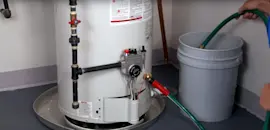
| Drain and flush the tank | Every 6 months | Reduces sediment that can cause noise and early tank failure |
| Inspect venting and burner flame | Every 3 months | Helps catch draft, soot, or combustion-air problems early |
| Check the temperature and pressure relief valve | Yearly | Confirms overpressure protection is working |
| Inspect anode rod | Every 3 years | Protects the tank from corrosion |
Parts that can extend service life
If you are maintaining the tank to help it last longer, these model-compatible parts are commonly involved:
- Water heater anode rod 100109594 (helps protect the tank from corrosion)
- Drain valve 100109106 (helps make flushing easier if the original valve is restricted)
- T&p valve 100108279 (critical safety valve if the existing one drips or will not reseat)
Why it matters
Once a tank starts leaking internally, it is usually not repairable. Staying ahead of sediment buildup and corrosion is the most practical way to get the full expected lifespan from a gas water heater.
Last updated: January 2026
What is the most common problem with gas water heaters?
On the American Water Heaters BFG1F4040S3NOV gas water heater, the most common problem we see is the pilot not staying lit, which is often tied to the thermocouple or pilot/ignition components. Sediment buildup in the tank is another frequent issue that reduces efficiency and causes popping or rumbling.
Most common issues (and what they look like)
- Pilot will not light or remain lit: burner never comes on, no hot water
- Sediment buildup in the tank: popping/rumbling, slow recovery, higher gas use
- T and P relief valve dripping: water at the discharge pipe or in the drain pan
- Draft or combustion air problems: lazy yellow burner flame, combustion odors
- Gas valve/thermostat problems: inconsistent temperature, burner not cycling correctly
For model-specific lighting, draft checks, and safety warnings, follow the BFG1F4040S3NOV use & care manual.
Quick checks you can do safely
- Look through the viewport: a proper burner flame is typically soft blue
- Listen during heat-up: popping often points to sediment on the tank bottom
- Check the relief discharge pipe: dripping can indicate thermal expansion or a failing valve
- Confirm combustion air is not blocked: tight closets, lint, or debris can cause poor burning
Parts that commonly solve a “pilot won’t stay lit” complaint
If troubleshooting points to flame-sensing or ignition components, these are common replacements used on this model:
| Symptom | Likely part area | Example compatible part |
|---|---|---|
| Pilot lights then goes out | Thermocouple/flame sensing | Nat gas th 100108267 |
| No spark or unreliable lighting | Pilot/igniter | Water heater pilot igniter 100110927 |
Why it matters
A weak pilot system or heavy sediment can lead to no hot water, higher operating costs, and nuisance shutdowns. Catching the cause early helps protect the burner system and gas valve/thermostat.
Last updated: January 2026