



Can furnace and AC be combined?
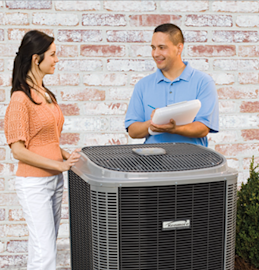
Yes. A furnace and air conditioner can be combined into one system, either as a packaged gas/electric unit (like Ruud model URKA-A036) or as a split system that shares the same ductwork and blower. Combining them saves space and simplifies service.
- Packaged unit (gas/electric package unit): Heating and AC are in one outdoor cabinet; supply and return ducts connect to the unit.
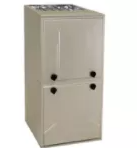
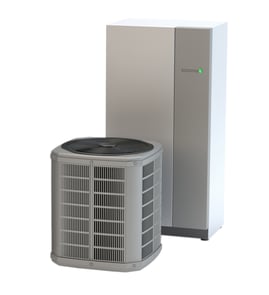
- Split system: An indoor furnace/air handler pairs with an outdoor AC condenser; they share the indoor blower and ducts.
- Heat pump package or split: Uses a heat pump for cooling and most heating; may include electric heat strips or gas backup (system-dependent).
| Option | Space use | Typical install impact | Best fit for |
|---|---|---|---|
| Packaged unit (like URKA-A036) | Lowest indoor space use | Often requires curb/roof or pad and duct transitions | Homes with limited indoor mechanical space |
| Split system | Uses indoor closet/utility space | More components, flexible placement | Homes with existing furnace location and ducting |
- Ductwork size and condition: Leaky or undersized ducts reduce comfort and efficiency.
- Fuel and electrical supply: Gas line sizing, shutoff location, and correct electrical circuit and disconnect.
- Venting and combustion air (gas heat): Must be correct for safe operation.
- Drainage: Cooling produces condensate; confirm proper drain routing.
- Service access: Panels must be reachable for maintenance and troubleshooting.
A combined heating and cooling system shares key components (blower, controls, safety switches). When one part fails, it can affect both heat and AC performance. For example, a failed limit switch 470015 can shut down heating to prevent overheating.
Last updated: February 2026
What is a combo heater and AC unit called?
A combo heater and AC unit is most commonly called a packaged HVAC unit (also called a package unit). For Ruud model URKA-A036, it is a gas/electric package unit that combines heating, air conditioning, and the air-moving components in one outdoor cabinet.
- Packaged HVAC unit (package unit)
- Gas/electric package unit (gas heat with electric cooling)
- Packaged heat pump (if it heats with a heat pump instead of gas)
- All-in-one HVAC unit
- Rooftop unit (RTU) when installed on a roof (common in light commercial)
| Feature | Packaged unit | Split system |
|---|---|---|
| Main components | All in one outdoor cabinet | Indoor air handler/furnace plus outdoor condenser |
| Typical install | Ground pad or rooftop | Indoor closet/attic plus outdoor pad |
| Duct connections | Ducts connect at the unit | Ducts connect to indoor unit |
| Common service parts | Capacitors, fan motor, limit switch | Similar parts, but split across indoor/outdoor sections |
Knowing the correct name helps you match the right parts and troubleshooting steps. For example, a packaged unit like URKA-A036 can use parts that support both heating and cooling functions, such as a limit switch 470015 or a condenser fan motor WG840465.
- Run capacitor (hard starting, humming, fan not spinning)
- Start capacitor or start kit (compressor struggles to start)
- Condenser fan motor (overheating, poor cooling, fan not running)
- Limit switch (heat shuts off, short cycling)
- Flame sensor (burner lights then shuts off)
Last updated: February 2026
What is the most expensive part to replace on an AC unit?
On most AC systems, the compressor is typically the most expensive single component to replace because it is the pump that moves refrigerant through the system. For the Ruud URKA-A036 gas/electric package unit, compressor replacement is usually the top-cost repair, especially when labor and refrigerant handling are included.
These are the components that most often drive the highest repair bills on package units like the URKA-A036:
- Compressor: highest part cost; replacement often involves refrigerant recovery, brazing, evacuation, and recharge
- Condenser fan motor: can be a major cost when the motor fails or overheats (see motor WG840465)
- Evaporator or condenser coil (if applicable to the failure): can be expensive due to labor and refrigerant work
- Control board (on some systems): can be costly and may require diagnostic time
- Heat exchanger (gas heat side): can be a high-cost repair due to disassembly and safety checks
Your model’s parts list includes several high-impact components. Here is a quick comparison of common “big ticket” items and what they do.
| Part type | What it does | When it becomes expensive |
|---|---|---|
| Compressor | Compresses and circulates refrigerant | Refrigerant work plus high part cost |
| Condenser fan motor | Moves air across the outdoor coil | Motor failure can overheat the compressor |
| Capacitor / start kit | Helps motors and compressor start and run | Misdiagnosis can lead to repeat failures |
| Limit switch | Protects against overheating | Often indicates airflow or burner issues |
If you are troubleshooting a cooling failure, these symptoms commonly point toward compressor-related diagnosis:
- Outdoor fan runs but cooling is weak or warm
- Breaker trips when cooling starts
- Loud humming or hard-start symptoms (sometimes tied to capacitor/start components)
- Unit runs but pressures/temperatures are abnormal (requires HVAC gauges)
- Compressor is extremely hot and shuts down on overload
On a combined gas/electric package unit, a failing condenser fan motor or weak capacitor can stress the compressor. Catching airflow and electrical-start issues early can prevent the most expensive repair on the cooling side.
Last updated: February 2026
What is the drawback of package units?
A key drawback of package units like the Ruud URKA-A036 gas/electric package unit is exposure: most components sit outdoors, so weather, debris, and pests can speed up corrosion, restrict airflow, and increase electrical wear compared with indoor equipment.
- Outdoor corrosion and cabinet rust: Moisture and salt air can shorten component life.
- Pest and debris intrusion: Leaves and nesting material can block airflow or damage wiring.
- More frequent cleaning: Coils and the condenser fan area need periodic inspection and cleaning.
- Service access is outdoors: Diagnostics and repairs can take longer in poor weather.
- Noise near living areas: Compressor and condenser fan sound can be noticeable depending on placement.
- Keep the area around the unit clear and unobstructed; follow the clearances listed on the unit label or in the installation instructions for your specific setup.
- Gently clean debris from the cabinet and base pan; use low water pressure around coils to avoid fin damage.
- Inspect for rubbed, loose, or chewed wires; repair with proper connectors and strain relief.
- Address hard-start symptoms early (clicking, slow start, breaker trips) to reduce compressor stress.
| Symptom | What it can affect | Example part on this model page |
|---|---|---|
| Fan not running, overheating | Condenser airflow and cooling | Motor WG840465 |
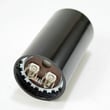
| Hard starting, clicking | Start circuit | Start capacitor (43-17075-04) or start kit (SK-A1-1) |
| Heat shuts off, short cycles | Safety limit circuit | Limit switch 470015 |
Because heating and cooling components share one outdoor cabinet, airflow and electrical reliability directly impact comfort, efficiency, and the chance of bigger failures (including compressor overheating).
Last updated: February 2026
Can a heat pump be used for both heating and cooling?
Yes. A heat pump can heat and cool by reversing refrigerant flow, but the Ruud URKA-A036 gas/electric package unit is typically an air conditioner for cooling paired with a gas furnace for heating (not heat pump heating), so it does not use a defrost cycle or reversing valve.
A heat pump is a single refrigeration system that runs in both directions; a gas/electric package unit uses refrigeration only for cooling and uses gas combustion for heat.
| System type | Cooling method | Heating method | Key hardware |
|---|---|---|---|
| Heat pump | Refrigeration | Refrigeration (reverses) | Reversing valve, defrost controls |
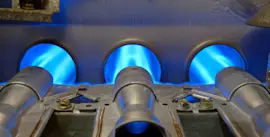
| Gas/electric package unit (URKA-A036) | Refrigeration (AC) | Gas furnace section | Burners, flame sensing, limit switches |
These quick checks help you tell which type of system you have by symptoms and service items.
- In cooling, both systems run the compressor and condenser fan.
- In heating, a heat pump runs the compressor; a gas/electric unit runs burners and a blower.
- A heat pump may go into defrost in cold weather; URKA-A036 heating does not.
- Gas/electric heating problems often involve flame proving or safety limits.
Start with the basics, then focus on the section that matches the symptom.
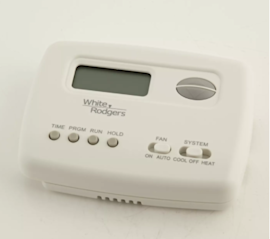
- Verify thermostat mode (HEAT vs COOL) and fan setting.
- Replace/clean the air filter and clear supply and return airflow.
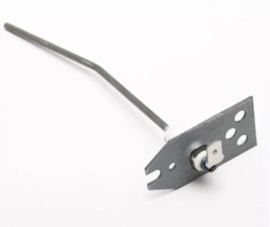
- For no heat or short cycling in heat mode, check flame sensing and safety shutdowns; a common service item is the furnace burner flame sensor 62-23543-02.
- For cooling start issues (humming, hard start, breaker trips), the start components are common suspects; see the central air conditioner start capacitor 43-17075-04 and start kit SK-A1-1.
Using heat-pump troubleshooting steps (defrost, reversing valve, auxiliary heat) on a gas/electric package unit wastes time. Matching the symptom to the correct section (AC cooling vs gas heat) leads to faster, safer diagnosis.
Last updated: February 2026