Error Codes

What is the typical lifespan of an electric water heater?
Most electric tank water heaters like the Reliance 640SORS typically last 10 to 15 years. Water quality (especially hard water), temperature setting, and maintenance (flushing and anode-rod replacement) are the biggest factors that determine whether you land closer to 10 years or 15.
Typical lifespan ranges
Here are realistic expectations for common electric water heater types:
| Water heater type | Typical lifespan | What usually ends it |
|---|---|---|
| Electric tank (standard) | 10 to 15 years | Tank corrosion, leaks, element/thermostat wear |
| Electric tank (well-maintained) | 12 to 15 years | Tank corrosion eventually wins |
| Electric tankless | 20+ years | Scale buildup, control/component failure |
What shortens (or extends) lifespan
These are the most common real-world drivers:
- Hard water and scale: accelerates element wear and reduces efficiency
- High temperature setting: increases stress on the tank and components
- No flushing: sediment buildup speeds corrosion and overheating
- Worn anode rod: once depleted, the tank rusts faster
- Frequent heavy use: more heating cycles means more wear
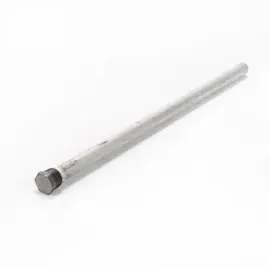
If you are planning maintenance, the anode rod 100109624 is one of the key wear items that helps protect the tank.
Signs your water heater is near end of life
If your 640SORS is approaching the typical age range, watch for:
- Rusty or metallic-smelling hot water
- Rumbling or popping sounds (sediment on the bottom)
- Hot water that runs out faster than it used to
- Water around the base of the tank
- Repeated heating element failures
Why it matters
Once a tank starts leaking, replacement is the practical fix. Staying ahead with flushing and anode-rod maintenance helps you avoid surprise failures and keeps recovery time and energy use closer to normal.
For step-by-step guidance, we recommend our how to replace an electric water heater anode rod guide.
Last updated: February 2026
What is the downside of an electric water heater?
The main downsides of an electric water heater (including the Reliance 640SORS) are slower hot-water recovery than many gas models, no hot water during a power outage, and operating cost that can be higher in areas with expensive electricity. For heavy, back-to-back hot water use, you may notice longer wait times.
Common downsides to expect
- Slower recovery: After long showers or laundry, the tank can take longer to reheat.
- Power-outage impact: If the power is out, the heater cannot reheat water.
- Electrical capacity: Some installs require adequate breaker size and wiring.
- Higher cost in some regions: Electricity rates can make monthly cost higher than gas.
- Element and scale issues: Hard water can cause mineral buildup that reduces efficiency.
Quick comparison: electric vs. gas (typical)
| Feature | Electric tank water heater | Gas tank water heater |
|---|---|---|
| Recovery speed | Slower | Faster |
| Works in outage | No | Often yes (varies by ignition type) |
| Install needs | Electrical circuit capacity | Gas line and venting |
| Maintenance focus | Elements, thermostats, anode rod | Burner, venting, gas controls |
Why it matters for your 640SORS
If your household uses a lot of hot water in a short window, electric recovery time is the downside you feel most. Keeping the tank maintained helps reduce those effects, especially in hard-water areas.
Maintenance that reduces the “downsides”
- Flush sediment periodically to keep heating efficient.
- Check and replace the anode rod on schedule to protect the tank.
- Keep access covers secure so the thermostat and wiring stay protected.
For step-by-step guidance on one of the most important maintenance items, use our how to replace an electric water heater anode rod guide.
Last updated: February 2026
What are signs of an electric hot water heater going out?
For your Reliance 640SORS electric water heater, the most common signs it’s going out are reduced or inconsistent hot water, rumbling or popping noises from the tank, rusty or smelly water, visible leaking, and frequent electrical issues like tripped breakers. These symptoms usually point to sediment buildup, a failing heating system, or internal tank corrosion.
Quick signs to watch for
- Hot water runs out fast or never gets fully hot
- Temperature swings (hot then lukewarm)
- Rumbling/popping during heating cycles (often sediment)
- Rusty, cloudy, or foul-smelling water (corrosion or anode rod issues)
- Water around the heater or moisture at panels/fittings
- Breaker trips or the heater seems to stop heating randomly
What the symptoms usually mean
| Symptom | Most likely cause | What we recommend first |
|---|---|---|
| No hot water | Power supply issue, failed thermostat/element | Check breaker and wiring; then test controls |
| Hot water runs out quickly | One heating element not heating, heavy sediment | Flush tank; test heating circuit |
| Rumbling/popping | Sediment on the bottom of the tank | Drain and flush the tank |
| Rusty water | Tank corrosion or worn anode rod | Inspect/replace the anode rod |
| Leaking tank | Internal tank failure | Plan for replacement; stop using if leak worsens |
Parts that commonly drive “going out” symptoms
These are common wear items for electric water heaters, and they are often involved when performance drops:
- Anode rod: protects the tank from corrosion; a worn rod accelerates rusting (see anode rod 100109624)
- Access panel: lets you safely reach thermostats and wiring; replace if damaged or missing (see access panel 100109599)
- Drain valve: can clog or seep, making flushing difficult or causing drips (use how to replace a water heater drain valve)
Why it matters
Catching these signs early helps prevent water damage, reduces energy waste from overheating or long recovery times, and can extend tank life by addressing sediment and corrosion before they become permanent failures.
Last updated: February 2026
What is the highest rated electric water heater?
“Highest rated” depends on what you’re rating (reliability, efficiency, noise, warranty, or upfront cost). For most homes, the highest-rated electric water heaters are typically heat pump (hybrid) models for efficiency, while standard tank electric models often rate highest for simpler ownership and lower upfront cost; use our water heater common questions to match the right type to your needs.
What to look for when choosing “highest rated”
- Type: heat pump (hybrid), standard electric tank, or electric tankless
- Capacity: common sizes are 40 to 80 gallons (tanks) based on household demand
- Efficiency: heat pump units usually deliver the lowest operating cost
- Recovery rate: how fast the tank reheats after heavy use
- Warranty length: longer warranties often align with higher-end builds
- Serviceability: availability of common replacement parts (anode rod, elements, thermostats)
Quick comparison: which style tends to rate highest
| Electric water heater type | What it’s best at | Typical tradeoff |
|---|---|---|
| Heat pump (hybrid) | Lowest energy use | Higher upfront cost; needs airflow/space |
| Standard electric tank | Simple, dependable hot water | Higher energy use than hybrid |
| Electric tankless | Endless hot water in theory | Electrical upgrades often needed |
How this relates to your Reliance 640SORS
If you already own a Reliance 640SORS electric water heater, “highest rated” ownership usually comes from maintenance that protects the tank and keeps heating efficient. The most important wear item is the anode rod; replacing it on schedule helps slow tank corrosion.
- If you have rusty-smelling water or accelerated corrosion, check the anode rod 100109624
- If you’re troubleshooting temperature swings, follow water heater fluctuating water temperatures
- If you’re planning routine service, use how to replace an electric water heater anode rod
Why it matters
Choosing the “highest rated” unit is only half the story; correct sizing and basic maintenance (especially the anode rod) are what keep an electric water heater reliable, efficient, and long-lasting.
Last updated: February 2026
What is usually the most common water heater problem?
The most common problem we see on a Reliance 640SORS electric water heater is sediment (mineral) buildup in the tank, which reduces heating efficiency and often causes rumbling or popping noises. The next most common issue is no or not enough hot water from a failing heating element or thermostat.
Common problems and what they look like
- Sediment buildup: rumbling/popping, slower recovery, higher electric bills
- Heating element failure: no hot water or limited hot water (often after heavy use)
- Thermostat issues: water too hot, not hot enough, or fluctuating temperatures
- Corrosion protection worn out: faster tank corrosion when the anode rod is depleted
- Leaks: dripping at fittings/valves, or water around the base (tank leak)
Quick checks before you buy parts
Turn off power at the breaker before opening panels or touching wiring.
- Listen for rumbling/popping during a heat cycle (points to sediment)
- Check if hot water runs out faster than normal (element or thermostat)
- Look for moisture at plumbing connections and the drain valve
- Inspect behind the lower cover for signs of overheating or wet insulation (use the correct access panel 100109599 if yours is missing or damaged)
What to replace first (typical guidance)
| Symptom | Most likely cause | Typical fix |
|---|---|---|
| Rumbling/popping | Sediment buildup | Drain and flush tank |
| No hot water | Failed heating element or tripped high-limit | Test element/thermostat, replace failed part |
| Rotten-egg odor or faster corrosion | Anode rod depleted | Replace anode rod (see anode rod 100109624) |
| Water around heater | Fitting/valve leak or tank leak | Tighten/repair leak; replace heater if tank is leaking |
Why it matters
Sediment acts like insulation between the heating element and the water, so the heater works harder and parts wear out sooner. Keeping corrosion protection (anode rod) in good shape helps extend tank life.
Helpful DIY guidance
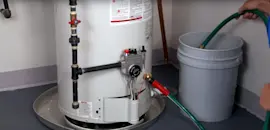
- How to drain the tank on an electric water heater video
- How to replace an electric water heater anode rod
Last updated: February 2026