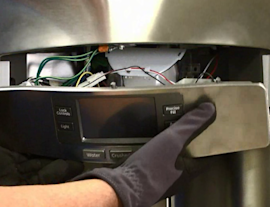
Installation guide
 Owner’s manual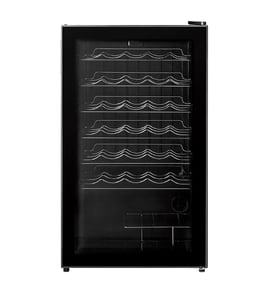



What is the difference between a wine cooler and a beverage cooler?
A wine cooler is built to protect wine quality with steadier, gentler cooling (and typically less vibration), while a beverage cooler is built for flexible storage and quick chilling of mixed drinks like soda and beer. For GE model ZDBC240NBBS, the temperature control is designed to run in the low 40s to mid 50s °F (a beverage-center style range); see the ZDBC240NBBS owner's manual for control details and loading tips.
- Temperature range and stability: Wine storage favors stable temps; beverage storage favors colder, faster refreshment.
- Shelving style: Wine units often use pull-out racks sized for bottles; beverage units often use flatter, adjustable shelves.
- Humidity and cork care: Wine storage commonly prioritizes conditions that help protect corks; beverage storage does not.
- Vibration and light: Wine storage benefits from lower vibration and less light exposure.
- How you load it: Wine racks are optimized for bottle shape; beverage shelves are optimized for cans, bottles, and mixers.
Your ZDBC240NBBS control guidance aligns with beverage-center operation: set the control near the midpoint (about 45°F), then allow 24 hours for temperatures to stabilize after changes or after loading.
| If you mostly store... | Better fit | Why |
|---|---|---|
| Red and white wine for serving | Wine cooler | More wine-focused storage and gentler conditions |
| Soda, beer, sparkling water, mixers | Beverage cooler | More flexible shelving and quick access |
| A mix of wine and cans/bottles | Beverage cooler (or combo unit) | Versatile storage and easy organization |
Choosing the right type helps prevent warm spots, over-chilling, and frequent temperature swings that can affect taste and consistency, especially for wine.
Last updated: February 2026
What else can I put in a wine cooler?
In your GE ZDBC240NBBS wine and beverage cooler, you can store many sealed drinks besides wine, including beer, soda, sparkling water, and mixers. We recommend sticking to sealed beverages and avoiding open food items so odors and spills do not affect temperature stability.
- Craft beer, canned cocktails, and hard seltzer
- Bottled water, sparkling water, and sports drinks
- Soda and energy drinks
- Juice boxes or sealed juice bottles
- Mixers (tonic, ginger beer, club soda)
- Sealed non-alcoholic beverages (cold brew cans, kombucha)
- Open containers (they spill and add moisture)
- Strong-odor foods (they can leave lingering smells)
- Uncovered produce or leftovers (they dry out and can spoil faster)
- Anything that can freeze or burst if set too cold (some glass bottles)
Use the temperature controls and storage guidance in the ZDBC240NBBS owner's manual. If you are installing the unit as built-in, follow airflow and electrical requirements in the ZDBC240NBBS installation guide.
| Beverage type | Typical serving range | Notes |
|---|---|---|
| Red wine | 55 to 65°F | Store sealed; avoid frequent door openings |
| White wine | 45 to 55°F | Keep bottles away from the door area if possible |
| Beer and canned drinks | 38 to 45°F | Colder settings increase compressor run time |
| Sparkling wine | 40 to 50°F | Avoid shaking; store stable and level |
Wine and beverage coolers are designed to hold steady temperatures and recover after door openings. Keeping only sealed beverages inside helps maintain consistent cooling, reduces odors, and prevents moisture issues that can lead to condensation.
Last updated: February 2026
Why is my GE wine fridge not cooling?
If your GE ZDBC240NBBS wine and beverage cooler is not cooling, the most common causes are restricted airflow (dirty condenser area), a door that is not sealing, or a cooling-system start problem. Start with cleaning and seal checks, then move to electrical and compressor-start diagnostics using the ZDBC240NBBS owner’s manual.
- Confirm the unit has power and is running (lights, fan, or compressor sound).
- Make sure the door closes fully and the gasket seals all the way around.
- Reduce door openings; frequent openings can keep temperatures warmer.
- Allow time after loading warm bottles or cans; the fans may run faster to pull temps down.
- Verify the temperature control is not set too warm.
Wine and beverage coolers must dump heat out of the condenser area. If airflow is blocked or the condenser is dirty, cooling performance drops.
| What you notice | Likely issue | What to do |
|---|---|---|
| Cabinet runs but compartment stays warm | Poor condenser airflow | Clean dust, improve ventilation clearance |
| Hot air at bottom/front | Normal heat rejection | Normal operation unless temps are rising |
If basic checks do not help, these model-listed parts are common suspects:
- Beverage cooler condenser fan motor kit WR60X10118 (moves air across the condenser)
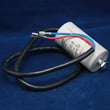
- Wine cooler compressor start relay WR07X10072 (helps the compressor start)
- Condenser WR84X10045 (releases heat from the sealed system)
Unplug the cooler before cleaning or servicing. Immediately replace a frayed or damaged power cord; repairs are best handled by a qualified service technician. For installation and electrical requirements, use the ZDBC240NBBS installation guide.
Running a wine fridge that is not cooling can overwork the compressor, shorten component life, and put stored beverages at unsafe or undesirable temperatures.
Last updated: February 2026
What is the best brand of wine and beverage refrigerator?
There is no single “best” brand for every home; the best wine and beverage refrigerator is the one that fits your space, temperature needs, and serviceability. For a built-in style unit like the GE ZDBC240NBBS beverage center, we focus on proper installation, stable cooling, and long-term parts support. See the ZDBC240NBBS owner's manual for operating guidance and normal cycling details.
We look at practical factors that affect day-to-day performance and ownership cost:
- Fit and ventilation: built-in vs. freestanding requirements and cutout depth
- Temperature stability: consistent cooling and normal compressor cycling
- Electrical requirements: dedicated, properly grounded outlet and correct circuit size
- Noise and vibration: important for kitchens and entertaining spaces
- Parts availability: shelves, door hardware, and cooling-system components
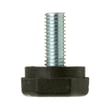
- Service access: how easy it is to level, reverse the door, and reach components
The installation guide for this style of Monogram/GE beverage center calls out common built-in planning details, including a typical 24-inch cutout depth and a 120V, 60 Hz supply on a 15 or 20 amp properly grounded circuit. Use the ZDBC240NBBS installation guide to confirm your cutout and electrical setup.
| What to compare | Why it matters | What to look for |
|---|---|---|
| Installation type | Prevents overheating and poor cooling | Clear built-in cutout specs and airflow guidance |
| Temperature control | Protects beverages and reduces swings | Simple, stable setpoint control |
| Door swing options | Avoids cabinet interference | Reversible door support or hinge kit availability |
| Replacement parts | Keeps the unit running longer | Stocked OEM parts for your model |
Most “brand” complaints come down to installation and environment, not the logo on the door. Correct leveling, proper grounding, and the right cabinet cutout help the compressor run normally and keep temperatures steady.
Last updated: February 2026
Is there a difference between a wine fridge and a wine cooler?
Yes. In everyday use, “wine fridge” and “wine cooler” get used interchangeably, but a wine fridge is typically aimed at long-term wine storage with steadier temperature control, while a wine cooler often describes simpler short-term chilling. Your GE ZDBC240NBBS is designed for storing and cooling beverages.
Most shoppers use these terms based on how they plan to use the appliance:
- Wine fridge: Focuses on stable, consistent temperatures for storage and aging
- Wine cooler: Often means quick chilling for serving, with fewer storage-focused features
- Beverage center: Built for cans and bottles; many models can also hold wine
- Single-zone vs. dual-zone: Wine fridges more commonly offer multiple temperature zones
- Vibration and light control: Wine storage models often prioritize low vibration and reduced light exposure
For this model, the most important point is using it as intended: it is designed to store and cool beverages (not perishable foods). For setup details like clearances, leveling, and electrical requirements, follow the ZDBC240NBBS installation guide and keep the ZDBC240NBBS owner’s manual handy for operating notes.
| Feature | Wine fridge (typical) | Wine cooler (typical) | Beverage center (like ZDBC240NBBS) |
|---|---|---|---|
| Primary goal | Long-term storage | Short-term chilling | Beverage storage and cooling |
| Temperature stability | High | Moderate | High for beverages |
| Zones | Often 2 | Usually 1 | Usually 1 |
| Best for | Aging wine | Serving temp | Mixed drinks, cans, bottles |
Choosing the right type helps protect flavor and consistency. If you are aging wine, stable temperature matters more than “how cold it gets.” If you are mostly chilling drinks for guests, a beverage center or basic wine cooler is usually the better fit.
Last updated: February 2026
Can wine coolers be repaired?
Yes, GE wine and beverage coolers like model ZDBC240NBBS can be repaired in many cases; common fixes include correcting power issues, replacing a failed start relay, or restoring airflow by cleaning the condenser area. For safety, unplug the unit before any inspection and follow the steps in the ZDBC240NBBS owner's manual.
- Confirm the outlet has power and the plug is fully seated.
- Inspect the power cord for cuts, pinches, or fraying.
- Make sure the door closes and seals; warm air leaks can mimic “not cooling.”
- Verify the unit has proper clearance for the door swing and ventilation.
- Listen for a click-hum-click pattern (often points to a start device issue).
- Clean dust from the condenser area and ensure the fan can move air.
Many “no cool” or “intermittent cool” complaints come from a few serviceable components.
| Symptom | Likely area | Typical repair approach |
|---|---|---|
| Unit dead, no lights | Power supply | Check cord/outlet; replace damaged cord |
| Clicks but won’t start cooling | Compressor start circuit | Replace start relay |
| Runs but cools poorly | Airflow/heat rejection | Clean condenser; check condenser fan |
Helpful model-matched parts we stock include the cord pwr asm WR23X10300 and the wine cooler compressor start relay WR07X10072.
A wine cooler is a sealed refrigeration system plus electrical controls. Fixing simple electrical or airflow problems early prevents longer run times, temperature swings, and added strain on the compressor and condenser.
- Unplug the unit before cleaning or making repairs.
- The appliance must be properly grounded.
- If the repair involves sealed-system work (compressor, condenser, evaporator, tubing), we recommend using a qualified service technician.
For installation-related issues (clearances, grounding, receptacle placement), follow the ZDBC240NBBS installation guide.
Last updated: February 2026