


What company makes York furnaces?
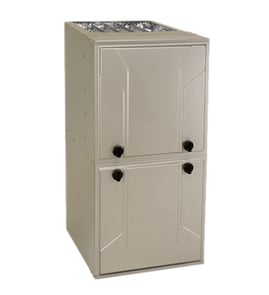
York furnaces (including the York gas furnace model P3HUE30N13006) are made by Johnson Controls under the York brand. That matters when you are matching replacement parts, wiring, and service information to the correct manufacturer family.
Why this matters for parts and repairs
Knowing who makes the furnace helps us narrow down the correct part style and electrical specs (for example, control boards, igniters, flame sensors, and pressure switches) so you do not end up with a look-alike part that will not fit or wire correctly.
What to check on your York furnace data plate
Use the rating plate inside the burner compartment or on the cabinet to confirm the identifiers below before ordering parts.
- Model number: P3HUE30N13006
- Serial number (used for production run and part revisions)
- Input rating (BTU) and fuel type (natural gas or LP conversion)
- Electrical rating (typically 120V) and control voltage (typically 24V)
- Blower and inducer motor specs (HP, amps)
Quick ID guide
| What you’re trying to confirm | Where to look | Why it helps |
|---|---|---|
| Manufacturer family (Johnson Controls) | Rating plate and brand label | Points you to the right part designs and wiring conventions |
| Exact model number (P3HUE30N13006) | Rating plate | Ensures correct fit and compatible revisions |
| Correct replacement part match | Parts list by model | Prevents ordering the wrong igniter, board, or switch |
Helpful next step
If you are shopping for parts, search by the full model number P3HUE30N13006 in our catalog on Sears PartsDirect so the results stay tied to your exact York furnace.
Last updated: February 2026
What is the life expectancy of a York furnace?
A York gas furnace like model P3HUE30N13006 typically lasts 15 to 20 years. With consistent maintenance (filter changes, safe venting, and annual service), it commonly reaches the high end of that range; neglected airflow and overheating shorten furnace life.
Typical lifespan ranges (what to expect)
Most residential gas furnaces fall into these real-world ranges:
- 15 to 20 years: typical service life for a York gas furnace
- 10 to 15 years: common when filters are ignored or the furnace short-cycles often
- 20+ years: achievable with clean airflow, correct gas pressure, and regular tune-ups
| Condition | What you’ll usually see | Expected outcome |
|---|---|---|
| Well maintained | Steady heat, normal run times | Longer lifespan |
| Poor airflow | Hot cabinet, frequent limit trips | Shorter lifespan |
| Oversized system | Short cycles, uneven comfort | More wear on parts |
What shortens a furnace’s life fastest
These issues create extra heat stress and cycling, which wears out parts like the inducer motor, blower motor, igniter, and control board:
- Dirty or restrictive air filter
- Closed/blocked supply registers or return grilles
- Cracked or disconnected ductwork pulling in dust
- Short-cycling from oversizing or thermostat issues
- Water around the furnace (condensate or humidifier leaks)
- Venting problems (restricted flue or intake)
Maintenance that adds years (high impact)
We recommend these habits for York gas furnaces:
- Replace the filter on schedule (often every 1 to 3 months, depending on filter type and dust)
- Keep the area around the furnace clean and unobstructed
- Confirm supply and return airflow are not blocked
- Have a qualified technician perform annual combustion and safety checks
- Address unusual noises early (squeal, rumble, or repeated clicking)
Why it matters
Once a furnace gets past about 15 years, small problems can cascade into bigger failures (no-heat calls, nuisance shutdowns, higher gas use). Knowing the typical life expectancy helps you plan repairs versus replacement before a mid-winter breakdown.
For help identifying the correct parts list for your exact unit, use how to find your appliance model number (and what it means for parts).
Last updated: February 2026
What is the most common part to fail on a furnace?
On a York gas furnace like model P3HUE30N13006, the most common “failure” we see is actually a maintenance item: a dirty air filter restricting airflow and tripping a safety limit (the furnace shuts down to prevent overheating). After that, the most common true part failures are the flame sensor, igniter, and control board.
Most common culprits (in order)
- Air filter (restricted airflow): overheats the heat exchanger area and trips the high-limit switch
- Flame sensor: gets coated and stops proving flame, so the burners shut off shortly after lighting
- Hot surface igniter (or spark ignition parts): cracks or weakens and fails to light the burners
- Control board: relays or circuitry fail, causing no-heat or intermittent heat
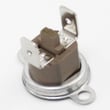
- Pressure switch (on induced-draft furnaces): won’t close if venting/condensate issues exist
- Blower motor or capacitor: weak start, noisy operation, or no airflow
Quick checks you can do safely
Turn off power to the furnace before opening panels.
- Replace the air filter if it is dirty or collapsed
- Confirm the thermostat is set to Heat and the temperature is raised above room temp
- Check the breaker/furnace switch and replace any blown fuse (if equipped)
- Look for a blocked return grille or closed supply registers
- If the furnace lights then shuts off quickly, clean the flame sensor (common)
Symptom-to-likely-part guide
| What you notice | Most likely cause | What it means |
|---|---|---|
| Blower runs, no heat | Ignition issue or control board | Furnace can’t light burners |
| Lights, then shuts off in 2 to 10 seconds | Flame sensor | Flame not being “proven” |
| Repeated clicking/tries to light | Igniter/ignition system | Weak or failed ignition |
| Starts then stops, repeats | Airflow or limit switch trip | Overheating protection |
Why it matters
Airflow problems (especially a clogged filter) can mimic a “bad furnace part” and cause repeated safety shutdowns. Fixing airflow first prevents nuisance lockouts and reduces stress on components like the igniter, blower, and control board.
For model-specific replacement parts for your York P3HUE30N13006, use the parts list for this model or search by model number on Sears PartsDirect.
Last updated: February 2026
What is the most expensive part to fix on a furnace?
On a York gas furnace like model P3HUE30N13006, the most expensive repair is the heat exchanger because replacement requires major disassembly and safety-critical testing. Other high-cost repairs include the blower motor assembly and the furnace control board.
Most expensive furnace repairs (typical)
- Heat exchanger
- Blower motor or blower motor assembly
- Control board (furnace control)
- Draft inducer motor assembly
- Gas valve
Quick cost comparison (typical total ranges)
| Repair area | Why it gets expensive | Typical total cost |
|---|---|---|
| Heat exchanger | Major labor; safety testing | $1,000 to $3,500+ |
| Blower motor/assembly | High part cost; airflow setup | $400 to $1,500+ |
| Control board | Diagnosis time; programming/setup | $300 to $1,500+ |
| Inducer motor | Venting and pressure checks | $300 to $1,200+ |
| Gas valve | Combustion setup and verification | $200 to $1,000+ |
Why the heat exchanger is usually the costliest
The heat exchanger separates the flame from the air your blower moves through the home. When it fails, the repair is treated as safety-critical, and the labor to access and replace it is substantial.
Safe prep steps before service (no cabinet removal)
- Replace the air filter and make sure supply and return vents are open
- Confirm thermostat is set to Heat and calling for heat
- Check the breaker and furnace power switch
- Watch the startup sequence (inducer, ignition, burners, blower)
- If your furnace has a diagnostic light, note the blink pattern
Why it matters
The biggest bills come from labor, diagnosis, and safety verification, not just the part. Clear symptoms and basic checks help prevent ordering the wrong component.
For basic electrical testing skills, use how to use a multimeter to test electrical parts video.
Last updated: February 2026