Owner’s manual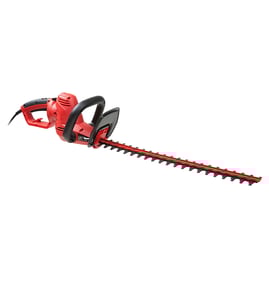

Which is better, a 20V or 40V hedge trimmer?
For the Black & Decker LHT2220, a 20V MAX hedge trimmer is the right fit for routine yard maintenance: it’s lighter, easier to control, and designed for typical shrubbery trimming. A 40V trimmer is better when you need longer runtime and more cutting power for larger, denser hedges.
Quick comparison: 20V vs 40V
| Feature | 20V class (like LHT2220) | 40V class |
|---|---|---|
| Best for | Small to medium hedges, regular upkeep | Larger hedges, heavier seasonal cutbacks |
| Weight and handling | Lighter, less fatigue | Heavier, more fatigue over time |
| Runtime | Good for quick jobs | Longer for extended sessions |
| Cutting capability | Best on smaller stems | Better on thicker growth |
What matters most for your yard
Use these practical checks to choose the better voltage:
- Hedge size: small runs and touch-ups favor 20V; long property lines favor 40V.
- Growth thickness: if you routinely hit thicker stems, 40V helps.
- Session length: if you trim for 10 to 20 minutes at a time, 20V is usually plenty.
- Control: lighter tools track straighter and reduce wrist and shoulder strain.
- Storage and portability: 20V tools are typically easier to carry and store.
Model-specific guidance for LHT2220
Your LHT2220 is a 20V MAX lithium hedge trimmer (20V max initial, 18V nominal). For best results and to avoid bogging down:
- Keep cuts within the manual’s guidance: do not cut stems over 3/4 inch (19 mm).
- Use a wide, sweeping motion with a slight downward blade tilt for cleaner cutting.
- Always operate with two hands and keep hands away from the blade area.
For operating limits, cutting technique, and safety steps, follow the owner's manual.
Why it matters
Choosing the right voltage helps you match power, runtime, and tool weight to the job. That means cleaner cuts, less stalling, and less fatigue, while also reducing the chance of forcing the trimmer into material it is not designed to cut.
Last updated: February 2026
Are Black and Decker hedge trimmers any good?
Yes. Black & Decker hedge trimmers like the LHT2220 are a solid choice for routine homeowner trimming because they’re designed to be easy to handle, use a dual-action blade for smoother cutting, and include clear safety and maintenance guidance in the owner's manual.
What “good” looks like for the LHT2220
We consider a hedge trimmer “good” when it reliably cuts typical hedge growth, feels controllable in your hands, and is straightforward to maintain.
- Uses a 20V MAX lithium battery platform (20V max, 18V nominal)
- Designed for two-handed operation for better control
- Blades are hardened steel and typically do not need resharpening with normal use
- Basic maintenance is simple: wipe down, keep dry, and oil the blades lightly
- Includes guidance for clearing jams and inspecting for damage after impacts
What to expect in real yard use
Most homeowners get the best results when they treat this as a hedge and shrub trimmer, not a branch cutter.
| Task | Expected performance | Tip for best results |
|---|---|---|
| Light hedge shaping | Very good | Use two hands and let the blade do the work |
| Medium growth and touch-ups | Good | Make multiple passes instead of forcing the cut |
| Hitting hard objects (wire, stone) | Can nick the blade | File the nick only if it interferes with blade movement |
| Heavy woody stems | Limited | Trim in stages or use a tool made for thicker branches |
Quick checks if performance seems “not good”
These steps solve most complaints about weak cutting or rough operation.
- Remove the battery before clearing jams or servicing
- Inspect blades for nicks or bends (especially after hitting fencing or debris)
- Clean off sap and debris; then apply a light film of machine oil to prevent rust
- Check for cracked housing or broken handles after a drop
- Store away from fertilizers and garden chemicals to reduce corrosion
Why it matters
A hedge trimmer can feel “bad” mainly due to blade damage, sap buildup, or unsafe one-handed use. Following the handling and maintenance steps in the manual keeps cutting smooth and helps the tool last longer.
Last updated: February 2026
How long does a Black and Decker hedge trimmer battery last?
On the Black & Decker LHT2220 hedge trimmer, a healthy 20V MAX lithium-ion battery typically runs about 20 to 60 minutes per charge depending on hedge thickness and how continuously you cut. As the battery ages, runtime drops and you will recharge more often (see the LHT2220 owner's manual).
What changes battery runtime the most
- Hedge density and branch size: thicker growth loads the motor more and drains the pack faster.
- Cutting technique: long, continuous cutting draws more power than short, controlled passes.
- Blade condition: nicks or binding increase load; the manual notes you can file out nicks that interfere with blade movement.
- Cleanliness and lubrication: sap and debris add friction; a light film of machine oil on the blades after cleaning helps prevent rust.
- Battery age and storage: older packs and packs stored in hot areas deliver shorter runtime.
Quick checks when runtime seems too short
- Remove the battery before any cleaning or inspection.
- Inspect blades for nicks, bends, or binding; correct minor nicks that interfere with movement.
- Clean the trimmer with mild soap and a damp cloth (do not let liquid get inside the housing).
- Lightly oil the blades after cleaning.
- If the trimmer was dropped or the housing/handles are damaged, stop using it until it is repaired.
Typical runtime expectations (what you can plan around)
| Condition | What you’ll usually see | What to do |
|---|---|---|
| Light trimming (soft growth) | Longer end of the range | Use steady, light passes |
| Heavy trimming (thick hedge) | Shorter end of the range | Take smaller bites, clear jams |
| Older battery pack | Noticeably reduced runtime | Consider replacing the battery pack |
Why it matters
Runtime is a direct signal of battery health and cutting load. Keeping blades clean, straight, and lightly lubricated reduces drag, helps the motor run efficiently, and gets you the most trimming time per charge.
Last updated: February 2026
How much does lht2220 weight?
The Black & Decker LHT2220 TYPE 1 hedge trimmer weighs about 6.0 lb without the battery and about 6.9 lb with the battery installed. For the exact weight for your specific battery pack and configuration, confirm the specifications in the LHT2220 owner's manual.
Quick weight reference
| Configuration | What’s included | Weight |
|---|---|---|
| Tool only | Trimmer without battery pack | 6.0 lb |
| Tool + battery | Trimmer with battery installed | 6.9 lb |
What can change the “in-hand” weight
Even when the spec weight is correct, the trimmer can feel heavier depending on setup and use:
- Larger-capacity battery packs weigh more than standard packs
- Blade sap and clippings add drag and make the tool feel heavier
- Holding the unit at shoulder height increases fatigue quickly
- Dull blades increase cutting resistance (more effort per cut)
- Gloves and grip position affect perceived balance
Why it matters
Knowing the correct weight helps you plan for overhead trimming, choose a battery size that balances runtime and comfort, and reduce arm fatigue during longer hedge-trimming sessions.
Last updated: February 2026