Installation guide
 Owner’s manual




Are all 30 inch microwaves the same size?
No. “30-inch” microwaves are built to fit a 30-inch cabinet opening, but the actual exterior height, depth, trim, and required clearances vary by model. For a built-in combo like model JMW2330WS02, matching the cabinet cutout dimensions and installation requirements in the installation guide is what ensures proper fit.
What “30-inch” usually means (and what it does not)
Most 30-inch built-in microwave/oven combinations are designed around a 30-inch-wide opening, but manufacturers still vary the overall chassis size and how far the unit projects.
Common differences to check before replacing:
- Cabinet cutout dimensions (width, height, depth)
- Minimum clearances around the oven for safe operation
- Junction box location and cable routing requirements
- Door swing and open-door depth (space needed in front)
- Support surface strength and leveling
Model-specific fit checks for JMW2330WS02
The installation instructions for this series specify that the cabinet opening dimensions shown must be used and that the recessed installation area must provide a complete enclosure around the recessed portion of the oven. They also call out electrical and support requirements that affect whether a “30-inch” unit is a true swap.
Quick checklist
- Confirm your cabinet cutout matches the dimensions shown in the installation guide.
- Verify a grounded electrical supply is present.
- Plan for the junction box to be located up to 3 inches below the support surface.
- Make sure the support surface is solid, level, and flush.
- Confirm the cabinet and floor can support the combined unit weight (30-inch units in this family are specified at 249 lb total).
Comparison: label vs. what you must measure
| What you see advertised | What you should verify for fit | Why it matters |
|---|---|---|
| “30-inch microwave” | Cabinet cutout width/height/depth | Prevents gaps, binding, or an unsafe install |
| “Built-in” | Enclosure and clearance requirements | Protects cabinets from heat and discoloration |
| “Same size” | Electrical junction box placement | Avoids rewiring and pinched cables |
Why it matters
A built-in microwave/oven combo runs hotter and carries more weight than many standalone microwaves. Using the correct cutout dimensions, electrical placement, and support requirements prevents installation problems and helps the appliance cool properly.
Last updated: February 2026
Are microwave ovens with air fryers any good?
Yes. A microwave with air-fry style cooking is a strong choice when you want fast reheating plus crisping and browning in one built-in appliance. For the JMW2330WS02 combo, results depend most on using the correct accessories and cookware settings listed in the owner's manual.
What you can expect (pros and tradeoffs)
Microwave air-fry style features are most useful for convenience foods and smaller portions. They crisp better than standard microwaving, but they do not replace a full-size countertop air fryer for maximum capacity.
Pros
- Saves space by combining microwave speed with crisping and browning modes
- Good for quick meals like frozen snacks, leftovers, and small proteins
- Less preheat time than a traditional oven for many items
Tradeoffs
- Smaller batch size than a dedicated air fryer
- Results vary a lot with rack/pan placement and not overcrowding food
- Some modes require specific accessories (grid, crisper pan) and careful handling
Use the right cookware and accessories (this matters most)
The manual guidance for this built-in microwave section is clear: use the turntable, avoid metal contact with the cavity walls, and follow the accessory rules for the grid and crisper pan.
- Always use the turntable for supported cooking modes
- Do not let foil or metal touch the cavity walls, ceiling, or floor
- Avoid metal cookware and items with metallic trim during microwave cooking
- Use oven mitts or pot holders when handling hot accessories
- Do not deep fry in the microwave
Quick decision guide
| If you mostly cook... | A microwave with air-fry style cooking is... | Why |
|---|---|---|
| Reheats, snacks, small portions | A great fit | Faster than oven, better texture than microwave-only |
| Large batches for a family | Only an okay fit | Capacity limits and more frequent turning/spacing |
| Crisping is your top priority | A good fit, not a replacement | Dedicated air fryers usually crisp more evenly at higher volume |
Why it matters
Most “air fry” disappointment comes from using the wrong cookware (metal where it should not be), skipping the turntable, or overcrowding food. Following the accessory and cookware rules improves crisping, protects the cavity, and prevents overheating issues.
If your unit is not heating or stops when the door moves, a door interlock problem can cause poor performance; the microwave door switch W10211972 is a common related part for this model.
Last updated: February 2026
Why is my combination microwave oven not working?
If your JENN-AIR JMW2330WS02 combination wall oven/microwave combo is not working, the most common causes are a tripped breaker or blown household fuse, the microwave door not fully closing, Button Lock being enabled, or the unit being wired incorrectly. Start with the built-in “heat 1 cup of water for 2 minutes” microwave test in the owner's manual.
Quick checks we recommend first (no tools)
- Reset the tripped circuit breaker or replace a blown household fuse.
- Confirm the electrical supply is connected and the unit has power.
- Firmly close the microwave door; a slightly open door can stop operation.
- Turn off Button Lock (control lock) in the Setup Menu.
- If the lower oven is running a Self-Clean cycle, the upper microwave will not operate.
A simple microwave function test (matches the manual)
Use this quick test to separate a control issue from a heating issue:
| Test | What to do | What it tells you |
|---|---|---|
| Heat test | Heat 1 cup (250 mL) of water for 2 minutes at 100% power | Water should be hot if the microwave heating system is working |
| Door stop test | Open the door at about 1:00 remaining | Cooking should stop immediately (door interlock is responding) |
| Resume test | Close the door and press Start | Cooking should resume and the interior light should turn on |
When a part is likely involved
If the display works but the microwave will not start, stops when you close the door, or behaves inconsistently during the door test, a door interlock problem is common. The door switch is a frequent fix for “won’t run” symptoms.
- Door-related no-run or intermittent run: check the microwave door switch W10211972
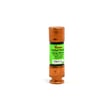
- Completely dead unit after a surge or short: a blown fuse mda 20a W11188752 is a common protection failure
- Runs but does not heat water in the heat test: the heating circuit (such as the magnetron or inverter) is the typical direction for diagnosis
Why it matters
A combo unit uses safety interlocks and control logic to prevent microwave operation with an unlatched door or during certain oven modes (like Self-Clean). Doing the quick checks and the water-heating test helps pinpoint whether the issue is power, settings, door safety, or a microwave heating-system failure.
Last updated: February 2026
What company makes the best wall ovens?
There is no single “best” wall oven company for everyone; the best choice depends on your cooking style, budget, and service expectations. For a built-in combo like the JENN-AIR JMW2330WS02, we recommend prioritizing proven temperature performance, strong ventilation and cooling, and parts availability, then comparing brands within that feature set.
How we recommend choosing the “best” wall oven brand
We see the best long-term results when you evaluate brands using the same practical checklist:
- Cooking performance: even baking, accurate temperature control, convection results
- Reliability and serviceability: fewer failures, easier diagnosis, available replacement parts
- Feature fit: convection modes, probe cooking, self-clean (if applicable), microwave combo features
- Installation requirements: cabinet cutout, electrical supply, and clearances
- Total ownership cost: parts pricing, labor complexity, and downtime risk
What matters most for a wall oven/microwave combo (like JMW2330WS02)
Combo units add more components than a standard single wall oven, so brand quality shows up in both oven and microwave systems.
| Area to compare | What “best” looks like | Common pain point if weaker |
|---|---|---|
| Temperature control | stable oven temps, consistent browning | hot spots, longer cook times |
| Cooling and airflow | effective cooling fan operation | overheating, shutdowns |
| Door and interlocks | solid door alignment and switching | no-heat or intermittent operation |
| Electronics | responsive controls, fewer glitches | blank display, error behavior |
Why installation quality affects brand satisfaction
Even a top-tier wall oven can disappoint if the cabinet opening, support surface, or electrical junction box placement is off. Your installation guide calls out key requirements such as using the specified cabinet opening dimensions, providing a grounded electrical supply, and ensuring the support surface is solid, level, and flush. For the exact cutout and product dimensions for your configuration, use the JMW2330WS02 installation guide.
Parts availability is part of “best” (especially after a few years)
A brand feels “best” when you can keep it running. For example, common microwave-side service parts for this model include the microwave door switch W10211972. If you are comparing brands, we recommend checking whether key items like door switches, control boards, cooling fans, and sensors are readily available.
Our practical recommendation
Pick the brand that best matches your must-have cooking features, then choose the model with the clearest installation requirements and the strongest parts support. You can also search by model number and order replacement parts through Sears PartsDirect.
Last updated: February 2026
How long do JennAir wall ovens last?
Jenn-Air wall ovens typically last 15 to 20 years with normal household use and basic maintenance. For the JENN-AIR JMW2330WS02 wall oven/microwave combo, keeping vents clear, cleaning correctly, and addressing small issues early helps you reach that expected lifespan; see the care and use details in the owner's manual.
Typical lifespan at a glance
| Appliance type | Typical lifespan | What shortens life fastest |
|---|---|---|
| Built-in wall oven | 15 to 20 years | Overheating from blocked airflow, heavy self-clean use, ignored door seal issues |
| Built-in microwave (combo upper) | 8 to 12 years | Slamming the door, running empty, door-switch wear |
What makes a wall oven last longer
We see the longest-lasting ovens when these basics are consistent:
- Keep the oven and microwave door sealing surfaces clean so the doors close squarely.
- Use nonabrasive cleaners on stainless and the cavity; avoid gritty pads that scratch.
- Replace failed lights promptly so you can monitor cooking without opening the door.
- Avoid repeated power interruptions; use proper electrical supply and grounding.
- Fix door-closing and latch problems early to prevent heat loss and control stress.
Maintenance habits that matter most
The JMW2330WS02 documentation emphasizes safe, nonabrasive cleaning and keeping key areas clean (especially where the door and frame touch). Use these practical habits:
- Wipe spills after the oven cools; baked-on soil drives longer, hotter cycles.
- For microwave odors, heat water with lemon juice or vinegar briefly, then wipe dry.
- Do not operate the microwave without the turntable installed.
- Use the control lock during cleaning to prevent accidental touch inputs.
Parts that commonly affect longevity (and what they do)
Some wear items can shorten usable life if they fail and are ignored:
- Microwave door interlock: prevents operation with the door open; a failing switch can stop heating or cause intermittent running (see microwave door switch W10211972).
- Oven lighting: improves visibility and reduces door opening during baking (see wall oven light bulb WPW10169757).
- Cooling airflow: fans help protect controls from heat buildup; unusual fan noise or overheating symptoms should be addressed (see cooling fan W11344874).
Why it matters
A wall oven/microwave combo is a built-in appliance; extending life by even a few years avoids cabinet removal, electrical work, and downtime. Regular cleaning and timely replacement of small parts protects high-cost components like controls and power electronics.
Last updated: February 2026