Installation guide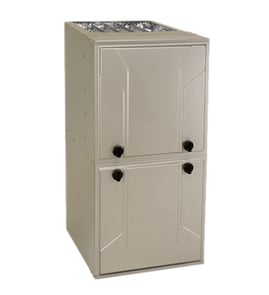



What is the cost to replace a furnace part?
For the Icp N9MP2075B12C1 90+ single-stage gas furnace, the cost to replace a part is the price of the part plus labor. On this model, common replacement parts range from about $20 to $600+ depending on the component, and labor typically adds 1 to 3 hours.
These examples use parts available for model N9MP2075B12C1; your total depends on which component failed.
- Flame sensor: low-cost, quick replacement
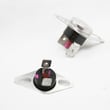
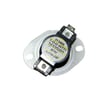
- Temperature limit switch: low-cost, quick replacement
- Hot surface igniter: mid-cost, moderate labor
- Inducer vent motor assembly: higher-cost, moderate labor
- Electronic control board: higher-cost, diagnostic time often required
- Blower fan motor: highest-cost, more labor and setup
| Part type (example) | Example part on this model | Typical part cost range | Typical labor time |
|---|---|---|---|
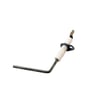
| Sensor/switch | Furnace burner flame sensor 1172827 | $20 to $60 | 0.5 to 1.0 hr |
| Ignition | Furnace burner igniter 1172533 | $60 to $150 | 0.5 to 1.5 hr |
| Draft/venting | Furnace inducer vent motor assembly 1172823 | $200 to $500 | 1.0 to 2.5 hr |
| Controls | Icp furnace electronic control board 1172550 | $250 to $500+ | 1.0 to 2.5 hr |
| Air movement | Mtr blr 1013341 | $400 to $800+ | 1.5 to 3.0 hr |
- Diagnosis time: intermittent no-heat issues can add time before any part is replaced.
- Access and setup: tight installs, venting layout, and condensate drain routing can increase labor.
- Related fixes: a failed igniter can be caused by airflow or venting issues; replacing only the igniter may not solve the root cause.
- Safety checks: after any repair, techs verify ignition, flame signal, and proper venting.
Replacing the correct part the first time prevents repeat service calls and helps protect major components (like the inducer and control board). For a condensing furnace like the N9MP2075B12C1, correct condensate drainage and freeze protection are also important for reliable operation.
We recommend matching parts by the full model number N9MP2075B12C1 and using the parts list for this furnace; you can also search by model on Sears PartsDirect. For installation and service clearances, venting, and condensate guidance, use the installation guide.
Last updated: February 2026
What is the most expensive part to fix on a furnace?
On an Icp N9MP2075B12C1 90+ single-stage gas furnace, the most expensive repairs usually involve major assemblies such as the heat exchanger (often the top-cost repair overall), the blower motor, or the electronic control board. These repairs cost the most because parts and labor are both significant.
These items tend to be the highest-cost repairs on most gas furnaces because they are core to safe operation and take longer to diagnose and replace:
- Heat exchanger: commonly the costliest repair due to labor and the amount of disassembly required
- Blower motor: high part cost and setup time (speed taps, airflow, temperature rise)
- Electronic control board: expensive part plus troubleshooting time
- Inducer vent motor assembly: critical for venting and pressure-switch operation
- Ignition system parts (igniter, flame sensing circuit): usually less expensive than motors/boards, but frequent no-heat causes
For the Icp N9MP2075B12C1, these are some of the higher-dollar parts available for this furnace:
| Component type | Example part on this model | Why it can be expensive |
|---|---|---|
| Control board | Icp furnace electronic control board 1172550 | High part cost; diagnosis often required before replacement |
| Inducer assembly | Icp furnace inducer vent motor assembly 1172823 | Venting safety component; removal and resealing can add labor |
| Blower motor | Mtr blr 1013341 | Large motor; wiring and airflow setup time |
The most expensive furnace repairs are usually tied to combustion, venting, or airflow. Your installation guidance also emphasizes safe venting and clean combustion air, and it recommends annual inspection and service before the heating season. Use the installation guide for model-specific venting, condensate, and wiring notes.
Use these practical checkpoints when you get an estimate:
- Compare the repair cost to the furnace age and overall condition
- If the repair involves combustion or venting components, prioritize correct diagnosis and setup
- Confirm return-air conditions and airflow are correct after motor or control changes
- For 90+ furnaces, verify condensate draining and trap priming after service
- Price out the exact parts for your model first, then add labor expectations
If you’re ordering parts, start with the parts list for model N9MP2075B12C1, or search by model on Sears PartsDirect.
Last updated: February 2026
What is the most common part to fail on a furnace?
On an Icp N9MP2075B12C1 90+ single-stage gas furnace, the most common failures we see are ignition and safety-proving parts (especially the flame sensor and igniter), followed by airflow-related shutdowns from overheating (often tied to filter/return-air problems) and control or draft issues.
- Dirty or failing flame sensor: burners light briefly, then shut off and retry; common fix is cleaning or replacing the sensor.
- Failed hot surface igniter: inducer runs but burners never light.
- Restricted airflow (filter, closed registers, return restriction): furnace overheats and trips the limit switch.
- Inducer vent motor problems: pressure switch does not prove draft; ignition sequence stops.
- Control board issues: erratic operation, no response to thermostat call, or repeated lockouts.
For model N9MP2075B12C1, these are common replacement parts when troubleshooting ignition, proving flame, and safety shutdowns:
| Symptom | Common suspect | Example part for this model |
|---|---|---|
| Burners light then shut off | Flame sensing problem | Furnace burner flame sensor 1172827 |
| No ignition (no flame) | Ignition failure | Furnace burner igniter 1172533 |
| Starts then shuts down on high temp | Overheat protection tripping | Furnace temperature limit switch 1013102 |
| Draft/venting not proving | Inducer not running or weak | Icp furnace inducer vent motor assembly 1172823 |
| Random or no operation | Control failure | Icp furnace electronic control board 1172550 |
A 90+ condensing gas furnace like this one uses multiple safety checks (draft proving, ignition, flame proving, temperature limits). When any check fails, the furnace shuts down to prevent unsafe operation. Fixing the root cause (often a sensor, igniter, airflow restriction, or inducer issue) restores reliable heat and prevents repeat lockouts.
- Disconnect electrical power before servicing.
- Label wires before disconnecting and reconnect correctly.
- Keep return airflow clear; this furnace is designed for bottom or side return (return through the back is not allowed).
- Have the furnace inspected and serviced annually before the heating season.
For model-specific installation and safety details (including venting and condensate guidance), use the installation guide. If you need to order parts beyond the list shown for N9MP2075B12C1, search by model number on Sears PartsDirect.
Last updated: February 2026
What are the most common furnace repairs?
For the Icp N9MP2075B12C1 90+ single-stage gas furnace, the most common repairs are airflow and safety-related issues (dirty filter, blocked return air), ignition and flame-sensing problems, condensate drain or freeze issues, and electrical control or motor failures. Many fixes start with inspection, cleaning, and basic electrical checks.
- Airflow restrictions: clogged filter, closed registers, blocked return air; these can trip the limit switch.
- Ignition failures: worn igniter or poor burner lighting.
- Flame proving issues: dirty or failing flame sensor.
- Condensate drain problems (90+ furnaces): plugged trap or drain line, or freeze-related damage in cold locations.
- Inducer or venting issues: inducer motor problems or vent/combustion-air setup problems.
- Electrical/control problems: loose connections, failed control board, or a safety switch opening.
If troubleshooting points to a failed component, these are frequent replacements for N9MP2075B12C1:
| Symptom | Common suspect | Example part for this model |
|---|---|---|
| Burner lights then shuts off | Flame sensing problem | Furnace burner flame sensor 1172827 |
| No ignition / no flame | Ignition component | Furnace burner igniter 1172533 |
| Starts then stops, overheats | High-limit opening from heat/airflow | Furnace temperature limit switch 1013102 |
| Draft/pressure issues, won’t start | Inducer not running | Icp furnace inducer vent motor assembly 1172823 |
| Random lockouts, no response | Control failure | Icp furnace electronic control board 1172550 |
- Set thermostat to HEAT and raise the setpoint 3 to 5 degrees.
- Replace the air filter and confirm return grilles are not blocked.
- Verify the furnace door is fully seated (a door switch can stop operation).
- Check the condensate drain and trap for blockage; protect the trap and drain line from freezing in cold areas.
- Turn off power before inspecting wiring; label wires and reconnect correctly after service.
This is a condensing (90+) gas furnace, so venting and condensate handling are part of normal operation. Airflow problems can overheat the heat exchanger area and open safety limits; condensate issues can prevent reliable starts and cause nuisance shutdowns.
For installation and maintenance guidance specific to this furnace, use the installation guide. For ordering model-matched replacement parts beyond the list above, search by model number on Sears PartsDirect.
Last updated: February 2026