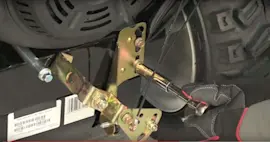
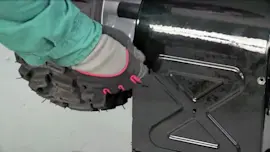
Owner’s manual
 View engine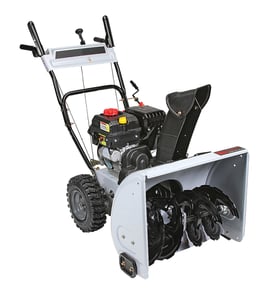


How many years should a snowblower last?
For the Craftsman 247887200 gas snowthrower, the operator guidance lists an average useful life of 7 years or about 60 hours of operation; with consistent maintenance and proper off-season storage, many owners get longer service before major repairs are needed. See the 247887200 owner's manual for the maintenance and storage steps that extend life.
What “years” really means for a snowblower
Snowblower lifespan is usually limited by total run time, storage conditions, and maintenance, not just calendar age.
- Light-use areas: fewer hours per winter, longer calendar life
- Heavy-use areas: more hours per winter, shorter calendar life
- Fuel system care (fresh gas, clean carburetor) strongly affects reliability
- Rust prevention and lubrication reduce wear on moving parts
- Annual inspection becomes more important as the machine ages
Typical lifespan ranges (practical expectations)
| Usage pattern | Typical hours per year | What you can expect |
|---|---|---|
| Light residential | 5 to 10 | Often 10+ years with good care |
| Moderate residential | 10 to 20 | Often 7 to 12 years |
| Heavy residential | 20+ | Wear shows sooner; plan for more repairs |
Signs your snowblower is reaching end-of-life
These issues often signal that repairs may become more frequent:
- Hard starting even with fresh fuel and a good spark plug
- Surging, stalling, or fuel leaks around the tank/lines
- Excessive vibration or unusual drivetrain noise
- Poor snow throwing performance even after adjustments
- Repeated belt, cable, or auger/impeller issues
Maintenance that extends lifespan the most
We see the biggest lifespan gains from these habits:
- Drain or run out fuel before storage; avoid old gas varnish in the carburetor
- Change engine oil on schedule
- Lubricate pivot points and control linkages
- Keep the machine clean and dry; apply light oil to rust-prone areas
- Store away from ignition sources and keep the engine level during storage
Why it matters
A snowblower that is maintained for storage starts easier, runs cleaner, and avoids the most common “big ticket” failures (fuel system and corrosion). That keeps your Craftsman 247887200 dependable during the first storm of the season.
Last updated: January 2026
Can I use 5W30 instead of SAE 30 in my snowblower?
Yes. For Craftsman gas snowthrower model 247887200, we recommend SAE 5W-30 engine oil; it flows better in cold weather for easier starting and still protects like a 30-weight oil once the engine warms up (oil capacity is 20 oz). See the 247887200 owner's manual.
What to use for model 247887200
The operator information for this model lists:
- Engine oil type: SAE 5W-30
- Engine oil capacity: 20 ounces
- Fuel freshness: use gasoline within about 30 days to reduce stale-fuel issues
- Change oil: at least once per season, and before long-term storage
| Item | Recommendation for 247887200 | Notes |
|---|---|---|
| Oil viscosity | SAE 5W-30 | Best for winter operation |
| Oil fill amount | 20 oz | Do not overfill |
| Fuel storage | Use within 30 days | Stale fuel can gum the carburetor |
If you already have SAE 30 on hand
SAE 30 is a single-weight oil that is thicker in cold temperatures. In winter conditions, that can make pull-starting harder and can delay oil flow right after startup.
- If you operate in freezing temps, choose SAE 5W-30
- If the engine is hard to start, oil viscosity is one of the first things we check
- Always verify the oil level on the dipstick after filling
Why it matters
Correct oil viscosity helps the engine lubricate quickly during cold starts, which reduces wear on internal parts and helps the snowblower run smoothly under load.
Last updated: January 2026
Is it cheaper to repair or replace a snowblower?
For the Craftsman 247887200 gas snowthrower, it’s usually cheaper to repair when the fix is a normal wear item (belt, fuel system, paddles, hardware) and the total repair cost stays under about half the price of a comparable new snowblower. Replace when repairs are repeated, structural wear is severe, or the engine needs major internal work.
Quick decision checklist
- Repair if the problem is isolated (won’t self-propel, won’t discharge snow, hard starting) and parts are readily available.
- Repair if the machine is otherwise solid: no major rust-through, no bent auger housing, no chronic vibration.
- Replace if the engine is overheating or losing power repeatedly after tune-up level repairs.
- Replace if you need multiple big-ticket parts at once (carburetor plus starter plus major drivetrain work).
- Replace if the auger/impeller area has been run worn enough to contact pavement and caused ongoing damage.
Common “repair makes sense” examples for model 247887200
Many issues on this model are addressed by adjustment, cleaning, or a single part replacement described in the Craftsman 247887200 owner’s manual.
| Symptom | Often the lower-cost path | Typical parts involved |
|---|---|---|
| Won’t discharge snow | Clear chute and auger housing; remove lodged object | None, or chute/auger hardware |
| Won’t self-propel | Adjust auger control cable; replace belt if loose/damaged | Belt (if needed) |
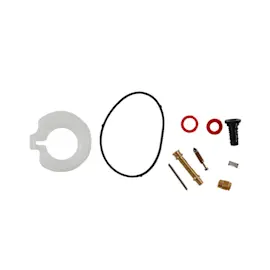
| Runs poorly after storage | Drain old fuel; clean fuel system; replace carburetor if gummed | Snowblower carburetor assembly 951-12705, fuel filter |
| Electric start issues | Check cord and connections | Extension cord |
Why it matters
A snowblower repair is a good value when it restores safe, reliable operation without chasing multiple failures. The manual emphasizes regular inspection, tightening fasteners, and replacing worn components to keep the machine operating safely and to prevent bigger damage.
Cost and safety tips before you decide
- Stop the engine, remove the key, and disconnect the spark plug wire before inspecting or servicing.
- Price the repair as: parts + labor + any “while you’re in there” maintenance (oil change, fuel system cleanup).
- If the unit has excessive vibration, stop immediately and inspect for damage before running again.
- If you store it 30+ days, run the engine dry to reduce carburetor problems later.
Last updated: January 2026
Where can I find the Craftsman snowblower model number?
On the Craftsman gas snowthrower model 247887200, the model number is printed on the product identification label on the machine. It also appears in the 247887200 operator’s manual as Model 247.88720, which helps you match parts and diagrams correctly.
Where to look on the machine
Check these common label locations on Craftsman snow throwers:
- Side of the auger housing (front bucket), often the left side
- Rear frame near the wheels
- Handle support area near the control panel
- Near the engine mounting area
- Under or near the belt cover area (only when the engine is off and fully cooled)
What you should write down
Use the model number first when looking up parts; then use the serial number if you need production details.
| Label item | What it’s used for | What to do |
|---|---|---|
| Model number | Matching parts lists and diagrams | Copy it exactly as printed |
| Serial number | Identifying the production run | Record it for service reference |
| Engine model/type | Engine-specific tune-up and fuel system parts | Note it if ordering engine parts |
Why it matters
We use the model number to pull the correct Craftsman parts breakdown for your snowblower. A single digit off can point to a different auger setup, belt cover, chute hardware, or engine configuration.
Quick tips to avoid mix-ups
- Copy the model number exactly (including dots or dashes if shown)
- If the label is worn, confirm the format against the 247887200 operator’s manual
- Match the model number before ordering common items like belts, shear pins, or carburetor parts
Last updated: January 2026