Owner’s manual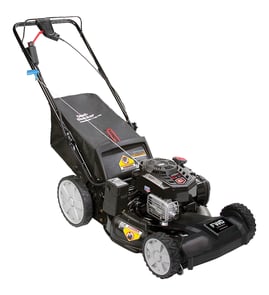




What is the average lifespan of a gas lawn mower?
A typical gas walk-behind lawn mower like Craftsman model 24738518 lasts 8 to 15 years with normal residential use, and around 10 to 12 years is common when you follow the maintenance schedule and store it correctly. Use the 24738518 owner's manual to match service intervals to your mowing hours.
- Annual hours of use (many walk-behind mowers run about 20 to 25 hours per year)
- Oil changes on schedule (more often under heavy load or high temperatures)
- Air cleaner care (clean or replace when dirty, especially in dusty conditions)
- Fuel quality and storage habits (stabilize fuel or run it dry before storage)
- Deck and blade upkeep (clean underside, prevent rust, keep blade sharp)
Use this as a quick guide; the exact intervals and procedures are in the 24738518 owner's manual.
| Task | Typical interval | What it prevents |
|---|---|---|
| Check engine oil level | Each use | Low-oil wear, overheating |
| Change engine oil | After first 5 hours; then about every 25 to 50 hours | Premature engine wear |
| Service air cleaner | Check often; clean or replace as needed | Hard starting, power loss |
| Replace spark plug | About annually | Misfires, poor starting |
| Clean underside of deck | Regularly during season | Corrosion, poor cut quality |
- Let the engine run until it stops from lack of fuel, or add fuel stabilizer to a full tank before storage
- Store in a dry, clean area away from corrosive materials (such as fertilizer)
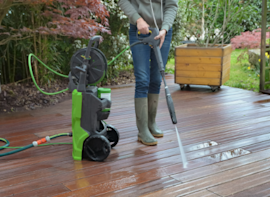
- Avoid washing the unit with a pressure washer or garden hose
- Coat the cutting blade with chassis grease to help prevent rust
- Lightly oil cables and moving parts before long storage
Most “short lifespan” mower failures come from fuel system varnish, dirty air filtration, and skipped oil changes. Keeping fuel fresh and following the service schedule protects the engine, improves starting, and reduces expensive repairs.
Last updated: January 2026
Are gas lawn mowers being phased out?
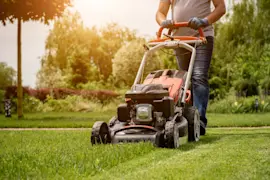
Gas walk-behind mowers like the Craftsman 24738518 are not being phased out everywhere at once; the shift is happening gradually as some states and local areas restrict new sales of certain gas-powered outdoor equipment, while many other areas still allow gas mowers and support parts and service.
Even where new gas mower sales are restricted, existing gas mowers are typically still used, maintained, and repaired. For your 24738518, the practical takeaway is to keep up with routine maintenance and stock common wear items so the mower stays reliable season to season.
- Keep the mower maintained and clean to reduce hard-start and performance issues.
- Use fresh fuel and avoid getting dirt or water into the fuel tank.
- Let the engine cool before refueling; gasoline is flammable.
- Never run the engine indoors or in poorly ventilated areas (carbon monoxide hazard).
- Inspect the mower after striking an object; vibration often signals damage.
For model-specific operating and safety steps, follow the Craftsman 24738518 operator's manual.
The move toward battery-electric mowers is mainly driven by noise reduction, lower routine maintenance (no carburetor cleaning, fewer fuel issues), and emissions rules in certain regions.
| Feature | Gas walk-behind mower | Battery-electric walk-behind mower |
|---|---|---|
| Runtime | Refuel and keep mowing | Limited by battery capacity |
| Maintenance | Fuel system, oil, spark plug | Blade and deck care, battery care |
| Storage | Fuel stability matters | Battery storage practices matter |
| Noise | Louder | Quieter |
A well-maintained gas mower remains a strong option for many yards. These steps prevent the most common “gas mower is dying” problems.
- Use fresh gasoline and store fuel properly (especially between seasons).
- Clean grass buildup under the deck to maintain airflow and cut quality.
- Keep the blade sharp; a dull blade strains the engine and tears grass.
- Follow safe starting steps (primer use and blade control handle operation).
If you are maintaining the cutting system, our how to sharpen a lawn mower blade guide is a good reference.
Regulations and retail trends affect what is easy to buy new, but reliability still comes down to maintenance, safe operation, and replacing worn parts when symptoms show up (vibration, poor cut, hard starting).
Last updated: January 2026
How many horsepower is a 144cc engine?
A 144cc gas mower engine (like the Craftsman 24738518 walk-behind mower’s 550 Series engine family shown in the manual) is typically rated around 3 to 4 horsepower. Many manufacturers no longer publish a single HP number, so cc, torque, and governed RPM are used instead.
Most 140cc to 150cc walk-behind mower engines fall into a similar performance band for cutting normal grass with a sharp blade.
- Typical output: about 3.0 to 4.0 HP
- Best use: regular residential mowing, bagging or mulching in average conditions
- Heavier conditions (tall, wet grass): performance depends more on blade sharpness, deck airflow, and engine tune than the “HP” label
- If your mower feels weak, common causes are stale fuel, dirty air filter, or a dull/bent blade
Small-engine horsepower depends on the test method and the RPM used for the calculation. Many mower engines are governed to a set speed, and brands often market cc and torque instead of a single horsepower figure.
| Engine size | Typical HP range | Common mower use |
|---|---|---|
| 125cc to 140cc | 2.5 to 3.5 HP | small to medium lawns |
| 141cc to 150cc | 3.0 to 4.0 HP | most 21 to 22 inch walk-behind mowers |
| 160cc to 190cc | 4.0 to 6.5 HP | thicker grass, more demanding mowing |
These steps usually make a bigger difference than chasing an exact HP number:
- Use fresh gasoline and keep the fuel cap vent clear
- Replace or clean the air filter on schedule
- Check the spark plug condition and gap
- Keep the underside of the deck clean to maintain airflow
- Sharpen or replace the blade when it’s nicked or rounded
A sharp, correct blade is critical for cut quality; if you’re servicing the deck, use the 24738518 owner’s manual for the correct blade orientation and torque guidance.
Knowing the typical HP range helps you compare mower capability, but for a Craftsman walk-behind mower, maintenance and blade condition are what most often determine whether it cuts cleanly or bogs down.
Last updated: January 2026