 Installation guide
 Owner’s manual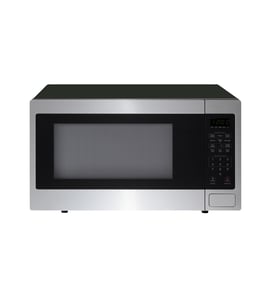
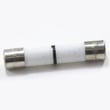


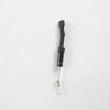

What are common problems with GE profile microwaves?
GE Profile microwaves like model PEB2060SM2SS most often have heating failures, door and latch issues, turntable problems, sparking inside the cavity, or control and display glitches. Many fixes start with basic power checks and door-switch safety circuits before moving to higher-voltage heating components.
Most common symptoms and what they usually point to
- Runs but does not heat: high-voltage circuit issue (diode, capacitor, transformer) or a safety interlock problem
- Dead display or no power: blown fuse, loose power cord/outlet issue, or internal wiring problem
- Starts then stops when the door moves: worn or misaligned door switches or latch parts
- Turntable not rotating: failed motor, broken tray support, or obstruction
- Sparking/arcing: food splatter, damaged waveguide cover, metal in the cavity, or a damaged interior surface
For model-specific operating and safety details, follow the troubleshooting and usage guidance in the PEB2060SM2SS owner’s manual.
Parts that commonly fail on this model
These are frequent culprits when symptoms match:
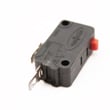
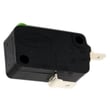
- Door safety circuit: microwave primary interlock switch WB24X10047 and monitor switch WB24X25397
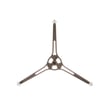
- Turntable drive: microwave turntable motor WB26X10143 and microwave turntable tray support WB06X10633
- Overheat protection: microwave thermal cut-off WB24X10163
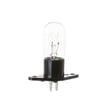
- Interior light out: microwave light bulb WB36X10063
Quick checks we recommend before replacing parts
- Confirm power: test the outlet with a lamp; avoid extension cords.
- Check door closing: door should close firmly with no sag; listen for a solid latch click.
- Try a simple heat test: heat 1 cup of water for 60 seconds; note if it warms at all.
- Inspect for arcing causes: remove metal racks/foil, clean splatter, check for burn marks.
| Symptom | Most likely area | Typical next step |
|---|---|---|
| No heat | High-voltage circuit or interlocks | Verify door switches; then diagnose heating circuit |
| No power | Fuse/power feed | Check outlet and internal fuse circuit |
| Turntable not moving | Turntable motor/support | Inspect support; test/replace motor |
Why it matters
Microwaves rely on door interlocks to prevent unsafe operation; a small door-switch problem can mimic bigger failures. Also, high-voltage components can store dangerous energy even when unplugged, so heating-circuit diagnosis is best handled with proper procedures.
For deeper symptom-based guidance, use why is my microwave not heating.
Last updated: January 2026
What is the average lifespan of a GE microwave?
A GE microwave typically lasts 8 to 10 years. For a countertop model like GE PEB2060SM2SS, lifespan depends most on daily run time, ventilation, and keeping the cavity and door seals clean; heavy use can shorten life, while light use often extends it.
Typical lifespan by microwave type
| Microwave type | Typical lifespan | Notes |
|---|---|---|
| Countertop | 8 to 10 years | Most common; easiest to replace |
| Over-the-range | 8 to 10 years | Heat and grease exposure can increase wear |
| Built-in | 8 to 10 years | Similar internals; installation adds complexity |
What shortens (or extends) microwave life
- Running long cook cycles back-to-back with poor airflow
- Slamming the door or operating with a misaligned latch
- Grease buildup on the waveguide cover or inside cavity
- Using metal, foil, or twist ties that cause arcing
- Keeping the turntable system clean so it rotates freely
Signs your microwave is nearing end of life
If you see these symptoms, we use them to decide whether a repair makes sense:
- Food heats slowly or unevenly
- Loud humming or buzzing during heating
- Burning smell, arcing, or scorch marks
- Turntable stops rotating (often tied to the microwave turntable motor WB26X10143 or tray support)
- Door issues such as intermittent starting or stopping (often tied to door switches like the microwave primary interlock switch WB24X10047)
Why it matters
Microwaves that are near the end of their service life often show heating or door-interlock symptoms first. Catching early warning signs helps you choose the right fix, avoid repeat failures, and decide whether replacing a part is worth it.
For model-specific use and care tips (cleaning, ventilation clearances, and operating guidance), follow the PEB2060SM2SS owner’s manual.
Last updated: January 2026
What replaced PEB2060SM2SS?
GE does not use one universal “replacement model” for the GE PEB2060SM2SS microwave; the correct replacement depends on how yours is installed (true countertop vs built-in with a trim kit) and the required cutout dimensions. We match the replacement by cabinet opening, electrical requirements, and venting clearances listed in the PEB2060SM2SS installation guide.
How to choose the right replacement
Use these checks before you buy a new microwave:
- Confirm whether your PEB2060SM2SS is sitting on a counter or installed as a built-in with a trim kit.
- Measure the cabinet cutout (width, height, depth) and compare to the new model’s required cutout.
- Verify power requirements (most countertop units use a standard 120V outlet; built-in installs still need correct circuit capacity).
- Check door swing clearance and handle clearance so the door opens fully.
- If you are reusing any trim kit or mounting hardware, confirm compatibility in the installation instructions.
Quick comparison: countertop vs built-in replacement
| If your current setup is... | What must match most | What usually changes |
|---|---|---|
| Countertop on an open surface | Exterior size and wattage | Styling, controls, sensor features |
| Built-in (cabinet cutout) | Cutout dimensions and trim kit requirements | Trim kit, mounting method, exterior size |
Why it matters
A microwave that “fits on the counter” can still fail a built-in install if the cutout, airflow clearances, or mounting method do not match. Using the installation specs prevents door interference, overheating from restricted airflow, and a poor cabinet fit.
If you are replacing because of a failure
If the unit is not heating, not starting, or the door is not latching reliably, the issue is often a door safety switch or related door circuit component. For this model, common door-circuit parts include the microwave primary interlock switch WB24X10047 and the monitor switch; diagnosing the failure first can save you from replacing the whole microwave.
Last updated: January 2026


