 Owner’s manual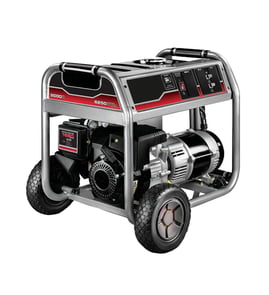




Is Craftsman generator good?
Craftsman generators, including model 580327180, are a solid choice for powering essentials when you maintain them well. We typically see customers like the value and straightforward operation; long-term satisfaction depends most on fuel care, routine service, and keeping the electrical output protected.
A generator is “good” when it starts reliably, holds steady voltage under load, and runs without frequent fuel or electrical issues. For the Craftsman 580327180, the best baseline is the maintenance schedule and operating limits in the 580327180 owner’s manual.
- Good value for occasional outage use
- Simple controls and basic serviceability
- Can run key loads (lights, fridge, small appliances) when sized correctly
- Fuel system problems after storage (varnish, clogged jets)
- Breakers tripping from overload or shorted cords
- Rough running from stale fuel or dirty intake components
- Use fresh gasoline and stabilize fuel for storage
- Don’t overload; start large loads one at a time
- Keep airflow clear; clean the intake area regularly
- Exercise the unit monthly (short run under light load)
- If it trips often, inspect and test the breaker 209872GS
| Symptom | Most likely area | Example part for this model |
|---|---|---|
| No/low AC output | Output protection | Breaker |
| Surging or won’t stay running | Fuel delivery | Carburetor |
| Runs but power is unstable | Generator head components | Stator |
A portable generator is only as dependable as its fuel quality and load management. Most “bad generator” experiences come from storage-related fuel issues or repeated overloads, not from day-one performance.
Last updated: February 2026
What are the basic parts of a generator?
A Craftsman generator like model 580327180 is built around an engine that turns an alternator to make electricity, plus fuel, control, and protection components that keep output stable and safe. For model-specific layouts and component locations, use the 580327180 owner's manual.
- Engine: burns fuel to create mechanical power.
- Fuel system: tank, fuel cap, lines, and carburetor that meter fuel into the engine.
- Air intake and filtration: helps the engine breathe clean air.
- Alternator (stator/rotor): converts engine rotation into electrical power.
- Voltage regulation and controls: helps keep voltage steady as loads change.
- Output and protection: receptacles, wiring, and circuit breakers that deliver power and protect against overloads.
These are examples of real, orderable parts that support the systems above:
| System | Example part on this model | What it affects |
|---|---|---|
| Overload protection | Breaker 209872GS | Trips to protect wiring and outlets from overload |
| Fuel delivery | Nikki carb 0A4600 | Starting, surging, and smooth running |
| Power generation | Stator B1897AGS | AC output generation (no/low power symptoms) |
| Power outlets | Receptacle G074191 | Where you plug loads in |
Knowing the “big blocks” of a generator helps you troubleshoot faster. For example, no start usually points to fuel/ignition/air, while runs but no power often points to output protection (breaker) or alternator components (stator) and wiring.
- Won’t start: fuel system, carburetor, air intake, engine mechanical
- Starts then dies or surges: carburetor, fuel flow, air restriction
- Runs but no AC power: breaker, receptacle, wiring, stator/alternator
- Power cuts out under load: overload, breaker tripping, poor connections
Last updated: February 2026
How do I find the model number on my 580327180?
The model number for your Craftsman generator is printed on the generator’s identification label (data plate). On model 580327180, this label is typically on the frame or near the engine housing; match the full number exactly before ordering parts or using diagrams in the owner's manual.
Check these common label locations first:
- On the tubular frame rail near the control panel
- Near the recoil starter (pull-start) side of the engine shroud
- On the alternator end housing (the power head)
- Near the fuel tank mounting area
- On the underside of the frame crossmember
Most generator data plates include more than just the model number. Use these fields to confirm you have the right parts list.
| Label item | What to do with it |
|---|---|
| Model number | Use it to select the correct parts diagrams and manual |
| Serial number | Helps identify production run differences |
| Voltage/amps | Confirms outlet and breaker ratings |
| Wattage | Helps size loads and troubleshoot low output |
Using the exact model number matters because similar Craftsman generators can use different breakers, receptacles, or engine components.
- Write the model number exactly as printed (include all digits)
- If the label is dirty, wipe it with a damp cloth and mild cleaner
- Compare the control panel layout to the diagrams in the manual
- When replacing electrical items, match the original style and ratings
The model number is the key to getting the correct Craftsman 580327180 generator parts, especially for electrical components like a breaker or receptacle and engine parts like the carburetor.
Last updated: March 2026