Error Codes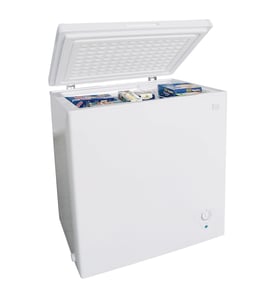



Can chest freezers be repaired?
Yes. We repair Hotpoint chest freezers like model HCM7QWBWW all the time; most problems come down to a few serviceable items (controls, wiring, lid seal issues, or drain components) and can be fixed with the right diagnosis and parts.
What we check first (fast triage)
- Confirm the outlet has power and the cord is firmly seated
- Verify the temperature control is set correctly (not at “off”)
- Listen for the compressor and check for steady vibration or clicking
- Look for heavy frost buildup that can block airflow and cooling
- Inspect the lid closing surface for gaps, warping, or debris
Common repairs that are usually worth doing
| Symptom | Likely cause | Typical fix |
|---|---|---|
| Not cooling at all | Control issue, wiring issue, start components | Electrical checks, replace failed control parts |
| Runs constantly | Warm room, lid not sealing, overpacked | Improve airflow, clean lid area, adjust loading |
| Water on floor during defrost | Missing/loose drain plug | Replace the drain plug |
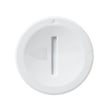
| Temperature hard to adjust | Broken/missing knob | Replace the knob |
Parts that can help on HCM7QWBWW
If your issue matches one of these, using the correct model-specific part keeps the repair straightforward:
Why it matters
A chest freezer that is running with a poor seal, incorrect control setting, or a missing drain plug can waste energy, struggle to hold safe temperatures, and create water leaks during defrost. Fixing the root cause protects food and reduces wear on the compressor.
Safety notes before you start
- Unplug the freezer before inspecting wiring or replacing parts
- If you smell burning or see damaged wires, stop and repair the wiring properly
- If the compressor is extremely hot and repeatedly clicks, professional service is the safest next step
Last updated: February 2026
Is Hotpoint HCM7QWBWW garage ready?
Hotpoint chest freezers like model HCM7QWBWW are commonly used in garages, but “garage ready” depends on the temperature range the freezer is designed to operate in. For best results, keep the freezer in a space that stays within typical indoor room temperatures; extreme heat or cold can cause poor cooling or constant running.
What “garage ready” means (and why it matters)
A “garage ready” freezer is built and tested to run correctly across wider ambient temperatures than a standard indoor-only freezer. If your garage gets very cold in winter or very hot in summer, the freezer can:
- Struggle to keep food frozen consistently
- Run longer than normal and use more electricity
- Have temperature swings that increase frost buildup
- Trip a breaker if the compressor starts under heavy load
- Shorten component life over time
Quick garage temperature checklist
Use this as a practical guide for HCM7QWBWW placement:
- Best: 60°F to 90°F (typical indoor range)
- Risky: below 50°F (cooling control may not behave normally)
- Risky: above 95°F (long run times, warmer cabinet temps)
- Keep 3 inches or more of airflow space around the cabinet
- Avoid direct sun and keep away from a water heater or furnace
What to do if you must keep it in the garage
If the garage is your only option, these steps help stabilize performance:
- Put the freezer on a level surface and allow good ventilation
- Use a freezer thermometer and check temps for a full week
- Defrost if frost buildup gets heavy
- Make sure the drain is sealed after defrosting with the correct plug (for example, the freezer drain plug WR01X36306)
Common symptoms of a non-ideal garage environment
| Symptom | What it usually points to | What to try first |
|---|---|---|
| Food softening | Ambient too hot or poor airflow | Improve ventilation, move away from heat sources |
| Freezer runs constantly | Ambient too hot, dirty condenser area (if applicable) | Improve airflow, reduce warm load |
| Temps swing in cold weather | Ambient too cold for control range | Move indoors or warm the space |
Why it matters
Stable ambient temperature protects food quality and helps the compressor and thermostat maintain consistent operation, which reduces energy use and nuisance issues like frost and temperature swings.
Last updated: February 2026
What are the common chest freezer problems?
Common problems we see with the Hotpoint HCM7QWBWW chest freezer include not freezing or weak cooling, heavy frost buildup, temperature swings, unusual noises, and water leaking during defrost. Most issues trace back to airflow restrictions, lid seal problems, control settings, or a blocked/loose drain plug.
Most common symptoms and likely causes
- Not freezing or soft ice cream: thermostat setting too warm, overpacked cabinet blocking airflow, lid not sealing
- Excessive frost: lid left ajar, worn/dirty gasket area, frequent openings, humid room air
- Temperature inconsistency: warm food loads, poor organization, thermostat knob slipping
- Clicking/buzzing/humming: normal compressor cycling, unit not level, items vibrating against the cabinet
- Water on floor (often during manual defrost): missing or leaking drain plug, drain opening not sealed
Quick checks we recommend first (no tools)
- Confirm the control is set colder; if the dial is loose or hard to turn, inspect the thermostat knob WR01X29594.
- Check the lid closes evenly and the sealing surface is clean and dry.
- Reduce overpacking; leave space around the walls so cold air can circulate.
- After a manual defrost, make sure the drain is fully sealed with the correct plug; use the freezer drain plug WR01X36306 if yours is missing or damaged.
What you can do by symptom
| Symptom | What to try | When it points to a repair |
|---|---|---|
| Weak cooling | Colder setting, improve airflow, limit openings | Cooling still weak after 24 hours |
| Heavy frost | Verify lid seal, shorten open time | Frost returns quickly after defrost |
| Leaking water | Reseat/replace drain plug, dry the drain area | Water continues with plug installed |
| Noisy operation | Level the freezer, stop items from vibrating | Loud grinding or repeated hard clicking |
Why it matters
Chest freezers rely on a tight lid seal and steady airflow to hold safe temperatures efficiently. Small issues like a loose control knob or a drain plug that does not seal can cause temperature problems, frost, and water leaks that waste energy and risk food quality.
Last updated: February 2026
Who makes Hotpoint chest freezers?
In the Americas (including the United States and Canada), Hotpoint chest freezers like model HCM7QWBWW are sold under the Hotpoint brand that is owned and supported by GE Appliances.
What that means for parts and service
When you’re shopping parts or troubleshooting a Hotpoint chest freezer, it helps to treat Hotpoint as part of the GE Appliances family for the Americas region.
- Use the full model number HCM7QWBWW when searching parts diagrams and replacements.
- Many replacement parts are sourced through GE Appliances distribution channels.
- Model-to-model part fit can vary; match by model number first, then by part ID.
- Common owner-replaceable items include storage and drain components.
Example parts you might replace on HCM7QWBWW
| Part | What it does | When you replace it |
|---|---|---|
| Basket WR71X43466 | Holds and organizes frozen items | Bent, broken, missing, or rusted |
| Freezer drain plug WR01X36306 | Seals the defrost drain opening | Lost plug, leaks during defrost |
| Thermostat knob WR01X29594 | Lets you adjust temperature settings | Cracked, stripped, won’t turn |
Why it matters
Knowing GE Appliances owns the Hotpoint brand in the Americas helps you get the right fit the first time. It reduces mismatches when ordering parts (like a drain plug or thermostat knob) and speeds up troubleshooting because you can focus on model-specific components.
Last updated: February 2026
What is the life expectancy of a chest freezer?
A chest freezer typically lasts 15 to 20 years. For a Hotpoint chest freezer like model HCM7QWBWW, lifespan depends most on temperature control, lid seal condition, and how well you prevent heavy frost buildup that makes the compressor run longer.
Typical lifespan and what changes it
Most chest freezers are simple, efficient machines, so they often outlast uprights. The biggest differences come from environment and maintenance.
- Indoor vs. garage use: extreme heat or cold shortens compressor life
- Frost management: heavy frost reduces efficiency and increases run time
- Lid gasket condition: air leaks cause longer run cycles and temperature swings
- Power quality: frequent outages or surges add wear
- Loading habits: keeping it reasonably full helps stabilize temperature
Quick “replace or repair” guide
Use this as a practical decision tool.
| What you’re seeing | What it usually means | What we recommend |
|---|---|---|
| Runs constantly, warm food | Air leak, heavy frost, control issue | Defrost fully; check lid seal and thermostat setting |
| Thick frost returns quickly | Lid not sealing, frequent openings | Inspect seal area; reduce openings |
| Water on floor during defrost | Missing/loose drain plug | Replace the drain plug |
| Broken storage basket | Normal wear item | Replace the basket |
Parts that help you maintain performance
These common items support day-to-day use and proper defrosting.
- Freezer drain plug WR01X36306 to seal the drain after defrosting
- Drain plug WR01X43467 if your unit uses the alternate plug style
- Basket WR71X43466 to keep packages organized and reduce lid-open time
- Keep the thermostat knob readable and easy to set (a worn knob can lead to accidental setting changes)
Why it matters
A chest freezer that seals well and stays frost-managed uses less electricity, holds safer temperatures, and puts less strain on the compressor. That is what pushes real-world life closer to the 20-year end of the range.
Last updated: February 2026
How to find Hotpoint freezer model number?
Your Hotpoint chest freezer model number (for example, HCM7QWBWW) is printed on the appliance’s rating label; once you have it, we use that exact number to match the correct parts and diagrams for your freezer.
Where to look on a Hotpoint chest freezer
On most Hotpoint chest freezers, the rating label is in one of these spots:
- Inside the freezer on a side wall near the top rim
- On the back exterior panel
- Near the hinge area under the lid
- Along the front edge of the cabinet (around the opening)
What the model number looks like (and what to copy)
Model numbers are a mix of letters and numbers. For accurate parts matching, copy the model number exactly as shown.
- Write it in full (no missing characters)
- Keep the order the same
- Include any suffix letters
- Take a clear photo of the label for reference
Model vs. serial: quick comparison
| Label item | What it’s used for | Example format |
|---|---|---|
| Model number | Choosing the correct parts list and diagrams | HCM7QWBWW |
| Serial number | Manufacturing info and production run details | Letters and numbers (varies) |
Why it matters for ordering parts
Hotpoint can use similar-looking cabinets across different versions, but parts like the basket, drain plug, and thermostat knob can vary by model. Using the exact model number helps prevent ordering the wrong part.
If you are shopping for common items for HCM7QWBWW, start with model-matched parts such as the basket WR71X43466 or the freezer drain plug WR01X36306.
Last updated: February 2026
What are the parts of a chest freezer?
A Hotpoint chest freezer like model HCM7QWBWW is built around a sealed refrigeration system (compressor, condenser, evaporator, and metering device) plus user and cabinet parts such as the lid, gasket, thermostat control, and drain system that make it practical to use and defrost.
Main parts you will find in most chest freezers
- Compressor: pumps refrigerant through the system
- Condenser (often in the outer walls): releases heat to the room
- Metering device (capillary tube): controls refrigerant flow
- Evaporator (inside walls/liner): absorbs heat from the freezer compartment
- Thermostat/control: senses temperature and cycles cooling on and off
- Cabinet and insulation: keeps cold in and heat out
Common user-serviceable parts on HCM7QWBWW
These are the kinds of parts customers most often replace because they are handled during normal use:
- Basket WR71X43466 for organizing food
- Thermostat knob WR01X29594 if the control knob is cracked, loose, or missing
- Freezer drain plug WR01X36306 if the defrost drain won’t seal
- Drain plug WR01X43467 if your unit uses a second plug style/position
Quick “what it does” reference
| Part/system | What it does | Common symptom when it fails |
|---|---|---|
| Compressor | Moves refrigerant | Not cooling, clicking, warm cabinet |
| Condenser | Dumps heat | Runs long, poor cooling in hot rooms |
| Evaporator | Makes cold | Frost pattern issues, weak cooling |
| Thermostat/knob | Sets temperature | Won’t start, won’t shut off, hard to adjust |
| Drain plug | Seals defrost drain | Water leaks during/after defrost |
Why it matters
Knowing which parts are “sealed system” versus “user-access” helps you troubleshoot faster. Drain plugs, baskets, and knobs are straightforward replacements; compressor or refrigerant-side problems typically require a qualified technician.
Last updated: February 2026
What is the coldest setting on a Hotpoint chest freezer?
On the Hotpoint HCM7QWBWW chest freezer, the coldest setting is the maximum cooling position on the temperature control (typically the highest number or the “Coldest” end of the dial). Use that setting for faster pull-down, then fine-tune to hold about 0°F.
How to identify the coldest setting on the dial
Most Hotpoint chest freezers use a simple thermostat knob where:
- Higher numbers usually mean colder temperatures
- Turning the knob toward the stop at the cold end is the coldest setting
- Small adjustments matter; wait 12 to 24 hours between changes
- A freezer thermometer is the most accurate way to confirm temperature
If your knob is missing, cracked, or slipping on the shaft, replacing the thermostat knob WR01X29594 restores proper control.
Recommended temperature targets (what we aim for)
We set chest freezers to maintain safe long-term food storage without overworking the compressor.
| Use case | Target temperature | Dial approach |
|---|---|---|
| Everyday frozen food storage | 0°F (-18°C) | Mid-to-cold range, then adjust |
| Fast freeze (new groceries) | 0°F or slightly below | Coldest setting temporarily |
| Energy-saving (lightly loaded) | 0°F | Avoid running at max unless needed |
Quick steps to set it correctly
- Place a freezer thermometer near the center (not touching a wall)
- Set the dial to the cold end for 24 hours after loading warm food
- Recheck temperature after 24 hours; adjust slightly warmer if below 0°F
- Keep the lid gasket clean and ensure the lid closes fully
- Avoid blocking airflow with tightly packed items; use the basket WR71X43466 to keep smaller items organized
Why it matters
Running at the coldest setting all the time can increase frost buildup and energy use. Setting the HCM7QWBWW to hold around 0°F keeps food safe, reduces temperature swings, and helps the freezer run efficiently.
Last updated: February 2026
Are Hotpoint chest freezers any good?
Hotpoint chest freezers, including model HCM7QWBWW, are a solid choice when you want simple, reliable bulk frozen storage. In day-to-day use, this style of chest freezer typically cools down fast, holds a steady temperature, and keeps food well-frozen with minimal fuss.
What “good” means for a chest freezer
A chest freezer is usually considered “good” when it delivers consistent freezing, usable storage, and easy ownership (loading, organizing, defrosting, and sealing).
Key strengths most owners value:
- Consistent cold temperatures for long-term storage
- Efficient design (chest freezers typically hold cold air well when opened)
- Simple controls (fewer features, fewer failure points)
- Flexible organization with a basket for quick-grab items
- Straightforward manual defrost and drain setup
Quick checklist before you buy (or to judge yours)
Use this list to decide if a Hotpoint chest freezer fits your needs.
- Capacity vs. footprint: Measure your space and confirm lid clearance.
- Temperature control feel: The dial should turn smoothly; if it is cracked or loose, replace the thermostat knob WR01X29594.
- Organization: If you are constantly digging, add or replace the basket WR71X43466 for top-layer storage.
- Defrost convenience: Make sure the drain plug seals well after defrosting; a missing or damaged plug can cause leaks.
- Seal and lid close: A good gasket seal prevents frost buildup and temperature swings.
Common ownership tradeoffs (chest freezer vs. upright)
| Feature | Chest freezer (like HCM7QWBWW) | Upright freezer |
|---|---|---|
| Energy efficiency | Typically better | Typically lower |
| Organization | Stacking, baskets help | Shelves and bins help |
| Defrosting | Often manual | Often auto-defrost |
| Cold retention when opened | Typically better | Typically lower |
Why it matters
A “good” chest freezer protects food quality and reduces waste. Stable temperatures help prevent freezer burn, and practical parts like a basket, thermostat knob, and drain plug make everyday use and defrosting easier.
Last updated: February 2026
What causes a chest freezer to stop working?
A Hotpoint chest freezer like model HCM7QWBWW usually “stops working” because it is not getting power, the temperature control is set incorrectly, airflow is blocked, or a cooling-system component (start device, compressor, or thermostat circuit) is failing. Start with the simplest checks first.
Quick checks (most common)
- Confirm the outlet has power (try a lamp) and the breaker is not tripped.
- Make sure the cord is fully seated and not damaged.
- Verify the temperature control is not set to OFF or warm.
- Check the lid is closing and sealing; heavy frost can prevent a good seal.
- Allow clearance around the cabinet for heat to dissipate.
- If the freezer was just moved or laid down, let it sit upright before restarting.
What you should observe (symptom guide)
| What you notice | Likely cause | What to do next |
|---|---|---|
| No lights/sound at all | No power, bad outlet, tripped breaker | Verify power at outlet; reset breaker |
| Runs but not freezing | Warm setting, overloaded, poor airflow, sealed-system issue | Set colder; improve airflow; monitor 24 hours |
| Clicking every few minutes | Start device/overload issue, compressor struggling | Unplug; inspect wiring; consider service |
| Heavy frost/ice buildup | Lid not sealing, frequent openings, humid air | Defrost fully; check lid seal |
Parts that can be involved on HCM7QWBWW
These parts do not usually stop cooling by themselves, but they can contribute to “not working” complaints during defrosting, draining, or organization:
- Thermostat knob WR01X29594 (if cracked or slipping, the control may not be set where you think)
- Freezer drain plug WR01X36306 (missing plug can cause leaks after defrosting)
- Drain plug WR01X43467 (alternate drain plug used on some builds)
- Basket WR71X43466 (helps keep packages from blocking airflow near the top)
Why it matters
A chest freezer that is losing power or short-cycling can spoil food quickly, and repeated compressor clicking can indicate a hard-start condition that gets worse if it keeps trying to restart.
Last updated: February 2026