Error Codes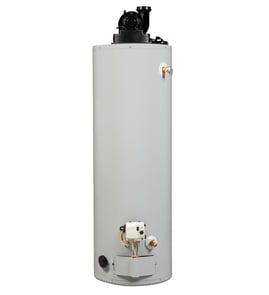




What is the most common issue on an A.O. Smith Corporation hot water heater?
The most common problem we see on an Ao Smith FCV40 gas water heater is “no hot water” or “not enough hot water,” usually tied to combustion air flow restrictions, pilot/ignition problems, or sediment buildup that reduces heating efficiency. Start with safe, basic checks before replacing parts.
Quick checks (most likely fixes first)
- Confirm the gas control is set to ON and the temperature setting is appropriate.
- Look for a weak or failed ignition sequence; a worn igniter can prevent reliable lighting.
- Check for restricted combustion air intake; a dirty screen can starve the burner of air.
- Listen for popping or rumbling; that points to sediment buildup in the tank.
- If the pilot will not stay lit, the pilot assembly is a common service item.
- If the burner flame looks lazy/yellow, the burner or orifice can be dirty or restricted.
Parts that commonly relate to “no hot water” on FCV40
If your symptoms match, these are the most relevant parts listed for model FCV40:
| Symptom | What it often points to | Example part on this model |
|---|---|---|
| No ignition or intermittent lighting | Ignition component failing | Igniter 100109221 |
| Pilot will not stay lit | Pilot assembly issue | Pilot assembly 100109295 |
| Poor flame, sooting, weak heating | Burner/orifice air-fuel restriction | Burner 100109316 |
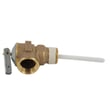
| Overheating/pressure discharge (safety symptom) | Valve issue or overheating condition | Release valve 100108279 |
Why it matters
A gas water heater needs the right mix of fuel, air, and reliable ignition. When air intake is restricted or ignition is inconsistent, the heater can short-cycle, fail to light, or heat water slowly. Sediment buildup also acts like insulation, making the burner work harder for less hot water.
Safety notes we follow before troubleshooting
- If you smell gas, do not operate switches; shut off the gas supply and ventilate the area.
- Let the burner area cool before inspecting components.
- If you are not comfortable working around gas, we recommend using a qualified technician.
Last updated: February 2026
How long does an A.O. Smith 40 gallon water heater last?
An Ao Smith FCV40 40-gallon gas tank water heater typically lasts 10 to 15 years. In normal home use, 12 years is a solid planning target; regular maintenance (especially flushing and anode rod replacement) is what most often determines whether you land closer to 10 or closer to 15.
Typical lifespan and what changes it
Most tank-style gas water heaters fall into a predictable range, but a few conditions can shorten or extend service life.
- Hard water and sediment buildup shortens tank life
- No annual flushing accelerates corrosion and reduces efficiency
- High water pressure (or frequent pressure spikes) stresses the tank
- High thermostat settings increase wear and scale
- Anode rod condition is a major factor in preventing tank corrosion
Maintenance that most improves lifespan
These are the highest-impact steps for a 40-gallon tank water heater like the FCV40.
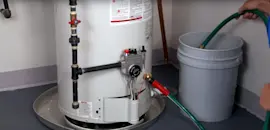
- Flush the tank at least once per year to reduce sediment
- Test the temperature and pressure relief valve periodically
- Inspect and replace the anode rod when it is heavily worn
- Keep the burner area and air intake clean so combustion stays stable
- Watch for early warning signs: rusty hot water, popping sounds, slow recovery
Helpful parts for maintenance (FCV40)
| Maintenance need | What it affects | Example part for FCV40 |
|---|---|---|
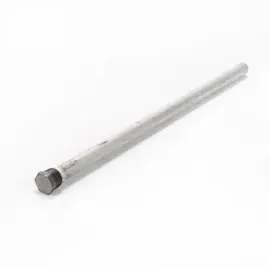
| Corrosion protection | Extends tank life | Anode rod 100109624 |
| Overpressure safety | Prevents dangerous pressure buildup | Release valve 100108279 |
| Combustion reliability | Helps prevent ignition and flame issues | Pilot assembly 100109295 |
When replacement makes more sense than repair
If your FCV40 is approaching the 10 to 15 year mark, replacement is usually the better long-term move when you see:
- Water leaking from the tank body or base
- Repeated pilot outages after basic cleaning and inspection
- Rusty hot water that returns soon after maintenance
- Noticeably reduced hot water capacity and long recovery times
Why it matters
A water heater can still “run” while the tank is actively corroding. Planning around the 10 to 15 year lifespan helps you avoid surprise leaks, water damage, and sudden loss of hot water.
Last updated: February 2026
What is the average cost of a 40 gallon water heater installed?
A 40-gallon water heater installed typically runs $900 to $3,000 in most homes. For an Ao Smith FCV40 gas water heater, the total depends mainly on labor rates, venting condition, gas-line and water-line updates, permit requirements, and any code-required safety add-ons.
What usually changes the price the most
- Swap vs. rework: replacing a similar gas tank costs less than changing venting or relocating the heater.
- Venting and combustion air: damaged vent pipe, draft issues, or required vent upgrades add time and materials.
- Gas piping work: adding or replacing a shutoff valve, sediment trap, or resizing piping increases labor.
- Water piping and shutoffs: corroded fittings, new valves, or rerouting lines can add cost.
- Safety and protection items: drain pan, discharge piping, and other code items vary by location.
Typical installed cost ranges
| Install situation | Typical installed total | Common scope |
|---|---|---|
| Straight replacement (same fuel, similar venting) | $900 to $2,200 | Remove old tank, set new tank, reconnect, start-up |
| Some updates needed (minor venting or piping work) | $1,500 to $3,000 | Added materials and extra labor time |
| Major changes (relocation, significant venting changes) | $2,500 to $4,000+ | Rework of venting, piping, and site conditions |
Parts that can add to the job (if needed)
These are common items that may be replaced during a water heater install depending on condition and local requirements:
- Drain pan 100108616 (helps protect flooring if the tank leaks)
- Release valve 100108279 (a safety-related valve that may be replaced if worn or leaking)
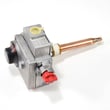
- Gas valve 100109217 (controls gas flow and temperature; replaced when faulty)
Why it matters
The lowest quote often assumes a simple swap. If venting, gas piping, or safety items need attention, the installed price rises quickly, and those updates help the heater run safely and reliably.
Last updated: February 2026