
Who repairs Craftsman snow blowers?
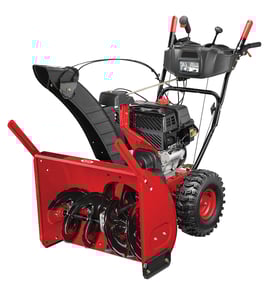
For a Craftsman 536886510 23" snow blower, repairs are typically handled by small engine repair shops that service snow blowers (carburetor, belts, friction wheel, auger/impeller, and drive system). If you’re sourcing replacement parts, start with the parts list for model 536886510, then use Sears PartsDirect to search by model number for additional diagrams and parts.
Best places to get a Craftsman snow blower repaired
- Local small engine repair shops: Most common option; they routinely service Craftsman, Troy-Bilt, Toro, and similar machines.
- Outdoor power equipment dealers: Many shops that sell snow blowers also service them (even if you did not buy it there).
- Mobile small engine technicians: Useful if the unit is hard to transport; confirm they work on snow blowers.
- DIY repair (if you’re comfortable): Common for maintenance items like spark plug, shear pins, belts, and friction wheel.
What to ask the shop before you drop it off
- Do you service Craftsman model 536886510 specifically (bring the model number and any engine numbers)?
- What is the diagnostic fee, and is it applied to the repair?
- What is the estimated turnaround time (snow season backlogs are common)?
- Will you call with an estimate before installing parts?
- Do you test under load (drive and auger engagement) after repair?
Quick “repair or replace” guide
| Situation | Usually makes sense to do | Why |
|---|---|---|
| Won’t start after storage | Repair/service | Often fuel, carburetor, or ignition maintenance |
| Auger won’t turn | Repair | Commonly shear pins, belt, or engagement cable |
| Poor throwing distance | Repair | Often belt slip, clogged chute, worn paddles/impeller issues |
| Major engine damage | Compare costs | Labor plus major parts can approach replacement cost |
Why it matters
A qualified snow blower tech can quickly pinpoint whether the issue is fuel delivery, ignition, auger/drive engagement, or worn drive components. That saves time and prevents repeat breakdowns during heavy snow.
Last updated: February 2026
Is it cheaper to repair or replace a snowblower?
For a Craftsman 536886510 23" snow blower, it’s usually cheaper to repair when the fix is a normal wear item and the total repair cost stays under about half the price of a comparable new snowblower. Replacement makes more sense when you’re facing repeated breakdowns or major drivetrain or engine work.
A practical cost rule we use
A simple way to decide is to compare the total repair bill (parts + labor) to the cost of a similar new machine.
- Repair when the total is under ~50% of replacement cost
- Replace when the total is over ~50%, or the same failure keeps coming back
- Repair when the problem is a tune-up or wear item (spark plug, belt, skid shoes, shear pins)
- Replace when the problem is a major core component (engine internal damage, auger gearbox, drive system)
- Replace when the chassis is badly rusted or the machine is structurally worn out
Common “repair” vs “replace” examples
| Situation | Typical best choice | Why |
|---|---|---|
| Won’t start after storage | Repair | Often fuel, spark, or carb cleaning issues |
| Poor throwing distance | Repair | Commonly shear pins, belt slip, or chute blockage |
| Drive won’t move | Repair first | Often friction disc, cable adjustment, or belt |
| Loud grinding from auger gearbox | Replace often | Gearbox repairs can approach replacement value |
| Engine smokes, knocks, or has low compression | Replace often | Internal engine work is usually high cost |
What to check before you spend money
These quick checks help you avoid replacing a snowblower that only needs basic service:
- Confirm fresh fuel and correct oil level (4-cycle engines)
- Inspect belts for glazing, cracking, or slack
- Check shear pins and auger engagement (auger stops under load)
- Look for drive issues: slipping, no forward motion, or inconsistent speed
- Inspect for rust-through, bent auger housing, or damaged impeller
Why it matters
Snowblowers like the Craftsman 536886510 are built to be serviceable, so small repairs can restore full performance for a fraction of replacement cost. Once the engine or drivetrain becomes unreliable, costs stack up quickly and downtime during storms becomes the bigger problem.
Getting the right parts
We recommend matching parts by the full model number (536886510) so you get the correct fit for your Craftsman 23" snow blower. You can also search by model number on Sears PartsDirect if you’re comparing part availability across similar models.
Last updated: February 2026
What is the average lifespan of a snowblower?
Most snowblowers last 10 to 15 years on average; a well-maintained gas unit like the Craftsman 536886510 commonly reaches that range, while heavy use, poor storage, and skipped maintenance can shorten life to 5 to 10 years.
Typical lifespan ranges (what we see most often)
- Light residential use + good maintenance: 12 to 20 years
- Average residential use: 10 to 15 years
- Heavy use or harsh storage conditions: 5 to 10 years
- Frequent breakdowns after long storage: often starts after year 8 to 12
What makes a snowblower last longer
- Change engine oil on schedule (gas models)
- Keep fresh fuel and use fuel stabilizer for off-season storage
- Inspect and adjust drive and auger controls before each season
- Replace worn wear items early (belts, skid shoes, scraper bar) so bigger parts are not overloaded
- Clear packed snow and ice after use; store dry to reduce rust and cable freeze-up
Quick “repair vs replace” checklist
| If you notice this | What it usually means | What we recommend |
|---|---|---|
| Repeated belt slip or poor drive | Normal wear item or adjustment issue | Repair first |
| Auger stops under load | Shear pin, belt, or cable issue | Repair first |
| Hard starting every storm | Fuel, carb, ignition maintenance needed | Repair first |
| Major engine damage or severe rust-through | High-cost repair risk | Consider replacement |
Why it matters
A snowblower that is maintained each season throws snow farther, drives more consistently, and is less likely to fail mid-storm. Small upkeep steps typically prevent the expensive failures that end a machine’s service life early.
For model-specific replacement parts and diagrams for the Craftsman 536886510, start with the parts list for your model, or search by model number on Sears PartsDirect.
Last updated: February 2026
Should I spray my snowblower with WD-40?
Yes, spraying a light coat of WD-40 on the snow-contact surfaces of your Craftsman 536886510 23" snow blower (mainly the discharge chute and impeller housing) helps reduce snow sticking and chute clogs. We avoid spraying belts, friction drive parts, and hot engine areas because it can cause slipping and attract grime.
Where WD-40 helps (and where it causes problems)
Good places to spray (light coat, wipe excess):
- Inside the discharge chute (especially the curve)
- Chute deflector and chute rotation ring area (metal-to-snow surfaces)
- Impeller housing surfaces where wet snow packs
- Exterior metal surfaces for short-term moisture displacement (not a rust-proof coating)
Places to avoid spraying:
- Friction disc and drive plate area (common cause of “won’t move” or slipping)
- Belts, pulleys, and idlers (can lead to belt slip)
- Auger gearbox seals and bearings (use the correct grease or oil instead)
- Muffler, cylinder head, and any hot engine surfaces
- Tires and traction surfaces
Best practice: what to use and when
| Goal | What to use | When to apply |
|---|---|---|
| Prevent chute clogs | Silicone spray or a light non-stick coating | Before each storm, and mid-storm if snow is very wet |
| Displace moisture after use | Light spray, then wipe dry | After clearing snow, before storage |
| Long-term rust prevention | Proper rust inhibitor or storage protectant | End of season, after cleaning and drying |
Quick steps for the Craftsman 536886510
- Shut the engine off, remove the key (if equipped), and let it cool.
- Brush out packed snow and ice; dry the chute area.
- Spray a light coat on the chute interior; wipe until it feels slick, not wet.
- Run the snowblower briefly to confirm nothing is slipping.
- If you notice drive slipping afterward, clean overspray off the drive system.
Why it matters
Wet, heavy snow sticks to rough or damp metal and can plug the chute, which reduces throwing distance and makes the machine work harder. Keeping the chute slick and dry improves performance and helps protect the auger and impeller system from strain.
For model-specific replacement parts and diagrams for the Craftsman 536886510, start with the parts list for this model, or search by model number on Sears PartsDirect.
Last updated: February 2026