Owner’s manual
 Error Codes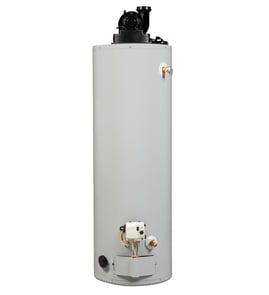



Are most water heaters 120 or 240?
Most electric whole-house water heaters are 240V, while many small point-of-use units are 120V. Your Kenmore 153573400 is a gas water heater, so it does not use 120V or 240V for heating; it uses gas for the burner and may use a small amount of power only if it has powered accessories. For model-specific requirements, use the owner's manual.
Quick breakdown: 120V vs 240V (and where gas fits)
- 240V electric tank heaters: most common for standard home hot water because they recover faster.
- 120V electric heaters: common for mini-tanks and point-of-use installs; slower recovery.
- Gas water heaters (like Kenmore 153573400): heat water with a gas burner, not an electric heating element.
- Hybrid/heat pump water heaters: typically 240V (varies by model).
- Tankless electric: typically 240V and often needs high-amperage circuits.
How to tell what your water heater needs
Check these items on the Kenmore 153573400:
- The rating plate (usually on the tank jacket) for fuel type and any electrical rating
- Whether it has electronic ignition, a blower, or controls that require household power
- The gas type (natural gas or LP) listed on the label
- The wiring and connection notes in the owner's manual
Typical comparison
| Water heater type | Most common supply | What it affects |
|---|---|---|
| Electric tank (whole-house) | 240V | Faster heating and recovery |
| Electric point-of-use | 120V | Slower recovery, smaller capacity |
| Gas tank (Kenmore 153573400) | Gas line + venting | Burner operation and safe combustion |
Why it matters
Matching the correct supply prevents nuisance shutdowns, slow recovery, and unsafe operation. For gas models, correct venting, combustion air, and gas control operation matter more than household voltage.
Last updated: February 2026
How do I read my water heater model number?
For your Kenmore 153573400 gas water heater, read the model number directly from the rating plate (the sticker attached to the tank). Match the full model number exactly as printed; you can ignore most other specs on the label unless you are troubleshooting or ordering parts. See the 153573400 owner's manual for label location details.
Where to find the model number on the tank
Most Kenmore gas water heaters place the rating plate on the outside of the tank jacket. Check these common spots:
- Upper side of the tank near the hot and cold water connections
- Front of the tank above the burner access area
- Side of the tank near the gas control valve
- Near the vent draft hood area
- On the outer jacket, not on the removable access door
What to copy from the rating plate (and what to ignore)
When you are identifying the unit or ordering replacement parts, focus on these items:
- Model number (example: 153573400)
- Serial number (helps identify production run)
- Fuel type (natural gas or LP, if listed)
- Capacity (gallons, if listed)
You can usually ignore items like BTU input, recovery rate, and certification text for basic model identification.
Quick checklist for ordering the right parts
Using the exact model number helps us match parts like a pilot assembly, thermocouple, or gas control valve correctly.
- Write the model number exactly, including all digits
- Take a clear photo of the entire rating plate
- Confirm the unit is a gas water heater (not electric)
- Compare your part to the diagram before ordering
Common label fields and what they mean
| Rating plate field | What it’s used for | Needed to identify the model? |
|---|---|---|
| Model number | Matches the correct parts list | Yes |
| Serial number | Helps confirm production details | Recommended |
| BTU input | Performance specification | No |
| Gas type | Ensures correct gas components | Sometimes |
Why it matters
A single digit off can point to a different Kenmore water heater design, which can change critical components like the burner system, pilot assembly, and temperature and pressure relief valve.
Last updated: February 2026
What are the parts to a gas water heater?
A Kenmore 153573400 gas water heater is built around a storage tank plus a gas burner and safety controls that heat water and vent combustion safely. The most common service parts include the gas control valve, pilot and thermocouple, burner access components, venting parts, and safety valves; see the owner's manual for your exact configuration.
Main parts you will typically find
- Tank (with internal flue in many designs)
- Gas control valve and thermostat (regulates gas flow and water temperature)
- Burner and pilot system (ignites and maintains flame)
- Thermocouple or flame-sensing safety device (shuts gas off if pilot goes out)
- Venting components (draft hood and vent connector)
- Water connections and safety devices (T&P relief valve, drain valve)
- Corrosion protection (anode rod)
Parts on this model that customers replace most often
These are common replacement items for Kenmore 153573400 when you have no hot water, pilot issues, or safety valve concerns:
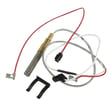
- Water heater pilot assembly 100112330
- Water heater thermocouple 100112327
- Gas control valve 100262939
- Water heater temperature and pressure relief valve 100108279
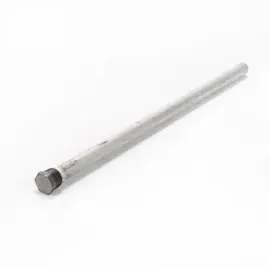
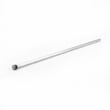
- Anode 33 in 100108260
Quick “part to symptom” guide
| Symptom | Most likely area | Common part examples on this model |
|---|---|---|
| Pilot will not stay lit | Pilot, thermocouple, gas control | Pilot assembly, thermocouple, gas control valve |
| Water too hot or too cool | Temperature control | Gas control valve |
| Water dripping from discharge pipe | Safety relief operation | T&P relief valve |
| Rotten egg smell or fast tank corrosion | Anode condition | Anode rod |
| Poor draft or flue spillage | Venting | Vent draft hood |
Why it matters
Knowing the major components helps you troubleshoot safely and order the right replacement part the first time. On gas water heaters, the pilot system, gas control valve, and T&P relief valve are critical safety components, so correct part matching to model 153573400 is essential.
Last updated: February 2026
What is the most common problem with gas water heaters?
The most common gas water heater problem is a pilot light that will not stay lit, which usually traces back to the ignition and safety system (thermocouple, pilot assembly, or gas control valve). On Kenmore model 153573400, these issues often show up as no hot water or repeated shutdowns; use the owner's manual for the correct lighting and safety steps.
Most common symptoms (and what they usually mean)
- Pilot goes out right after lighting: weak thermocouple signal, dirty pilot, or failing gas control
- No hot water but pilot is on: thermostat setting issue or gas control valve problem
- Water is too hot or not hot enough: gas control/thermostat regulation issue
- Rumbling or popping noises: sediment buildup in the tank
- Water around the heater: leaking fittings, T&P valve discharge, or tank leak
Quick checks we recommend first
- Confirm the gas control knob is set correctly (OFF, PILOT, ON) and follow the lighting steps in the owner's manual.
- Check for adequate combustion air; a clogged intake can cause poor flame and shutdown.
- Look at the pilot flame: it should be steady and directed at the thermocouple.
- Verify the temperature setting is reasonable (many homes run best around 120°F).
- If you see dripping from the discharge pipe, inspect the T&P valve and system pressure.
Parts that commonly fix “pilot will not stay lit”
| Problem pattern | Most likely part area | Example part for model 153573400 |
|---|---|---|
| Pilot lights, then drops out when you release the button | Flame sensing/safety | Water heater thermocouple 100112327 |
| Pilot flame is weak, erratic, or will not light reliably | Pilot/ignition assembly | Water heater pilot assembly 100112330 |
| Pilot and thermocouple check out, but burner will not stay on | Gas valve/thermostat control | Gas control valve 100262939 |
Why it matters
A stable pilot and correct gas control operation are what keep your Kenmore 153573400 heating safely and consistently. When the pilot system is failing, the heater can shut down repeatedly, leaving you without hot water and increasing wear on the gas control components.
Last updated: February 2026
What is the life expectancy of a Kenmore water heater?
Most Kenmore gas water heaters, including model 153573400, typically last 8 to 12 years. Regular maintenance (flushing sediment, checking the anode rod, and keeping the burner area clean) helps you reach the high end of that range; neglected units fail sooner.
Typical lifespan and what affects it
A water heater’s service life is driven by water quality, usage, and maintenance.
- Hard water and sediment shorten tank life and reduce efficiency
- High temperature settings increase wear and mineral buildup
- Corrosion protection depends heavily on the anode rod condition
- Poor combustion air (dirty intake screen) can cause burner and pilot problems
- Small leaks that go unaddressed often become tank failures
Maintenance that extends life (and the parts that matter)
Use the maintenance schedule and safety steps in your owner's manual.
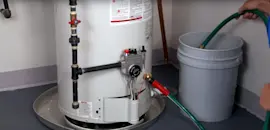
- Flush a few gallons from the drain periodically to reduce sediment
- Inspect and replace the anode rod when it is heavily depleted (see anode 33 in 100108260)
- Keep the burner compartment sealed and properly covered (see water heater burner access door 100111363)
- Clean lint and dust from combustion air openings (see water heater air intake screen 100111332)
- Verify the temperature and pressure relief valve operates correctly (see water heater temperature and pressure relief valve 100108279)
Quick “replace vs. repair” guide
| What you’re seeing | Most likely meaning | Best next step |
|---|---|---|
| Rusty water or rumbling | Sediment and/or anode depletion | Flush tank; inspect anode rod |
| Pilot won’t stay lit | Pilot/thermocouple or gas control issue | Check pilot flame; inspect thermocouple |
| Water around base of tank | Tank leak | Plan replacement (tank is not repairable) |
| Relief valve dripping | Excess pressure/temperature or bad valve | Check settings; replace valve if needed |
Why it matters
Once a tank begins to corrode internally, performance drops and the risk of a sudden leak increases. Staying ahead of sediment and anode wear is the most reliable way to get the full expected lifespan from your Kenmore 153573400 gas water heater.
Last updated: February 2026