Owner’s manual
 View engine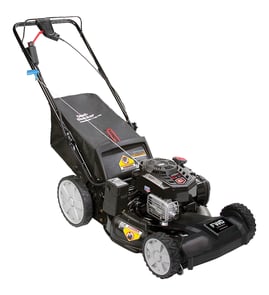


How much does it cost to repair a hydrostatic transmission on a lawn mower?
Hydrostatic transmission repairs are typically a riding-mower cost category; your Craftsman 917376656 is a gas walk-behind mower, so it normally does not use a hydrostatic transmission. If you are troubleshooting “won’t move” or drive issues on this model, the repair cost is usually tied to the self-propel drive system (belt, pulleys, cables, wheels), not a hydrostatic unit. See the owner's manual for the drive system layout and adjustment checks.
What you can expect to pay (typical ranges)
For hydrostatic transmissions (common on riding mowers), costs usually fall into these buckets:
- Diagnosis and minor service (fluid, linkage checks, basic adjustments): often $100 to $300
- Component repair (leaks, seals, fan, pulley, linkage parts): often $200 to $800
- Full transmission replacement (parts plus labor): often $900 to $2,500 depending on mower type and labor rates
For a self-propelled walk-behind mower like the Craftsman 917376656, costs are usually lower because the drive system is simpler.
Common “won’t move” fixes on Craftsman 917376656
If the mower starts and the blade runs but the mower will not propel, we focus on these items first:
- Worn or stretched drive belt (common wear item)
- Loose, kinked, or out-of-adjustment drive control cable
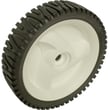
- Worn drive pawls or wheel drive components
- Damaged drive pulley or debris binding the drive
- Incorrect handle or control bar engagement
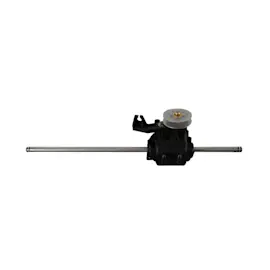
Model-matched parts that often relate to drive problems include the belt 532157769, drive pawl 532404845, and lawn mower drive pulley 532416987.
Quick cost comparison table
| Repair scenario | Most likely mower type | Typical cost range |
|---|---|---|
| Hydrostatic transmission replacement | Riding mower | $900 to $2,500 |
| Drive belt replacement | Walk-behind self-propelled | $50 to $200 |
| Drive cable replacement/adjustment | Walk-behind self-propelled | $50 to $200 |
Why it matters
Hydrostatic transmission work can be one of the highest-cost mower repairs, so confirming the mower type and drive design prevents overpaying for the wrong diagnosis. On the Craftsman 917376656, most motion-drive failures trace back to belt, cable, or wheel-drive wear.
Last updated: February 2026
What are the common problems with Craftsman lawn mowers?
Common problems on the Craftsman 917376656 gas walk-behind mower include no-start conditions (fuel, spark, air flow), loss of power from grass buildup under the deck, excessive vibration from a damaged or loose blade, and self-propelled drive issues caused by debris in the drive wheels or worn drive parts. See the owner's manual troubleshooting section for model-specific checks.
Most common symptoms and what usually causes them
- Won’t start or starts then dies: stale fuel, dirty air filter, fouled spark plug, fuel valve not ON, or safety control bar not held to the handle
- Loss of power: cutting too much grass at once, dirty air filter, or grass and debris packed under the mower deck
- Poor cut or uneven cut: blade worn or bent, wheel height set unevenly, or deck packed with clippings
- Excessive vibration: blade loose or damaged, blade adapter damage, or (more serious) a bent crankshaft
- Self-propelled won’t move or slows down: drive wheels packed with grass, worn belt, or drive cable out of adjustment
Quick checks we recommend (in order)
- Safety and controls: hold the control bar firmly to the handle; confirm the fuel valve is ON (if equipped).
- Air and fuel basics: replace or clean the air filter; drain old fuel and refill with fresh fuel.
- Spark: inspect and replace the spark plug if it is fouled.
- Under-deck buildup: disconnect the spark plug wire, then clean packed grass from under the deck.
- Drive wheels (self-propelled): the manual calls out cleaning debris from the dust cover, pinion, and gear teeth if the wheels do not turn freely.
Parts that commonly fix these problems
| Symptom | Part to inspect | Example part for this model |
|---|---|---|
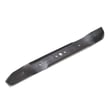
| Poor cut, vibration | Blade | Lawn mower 22-in deck mulching blade 532406713 |
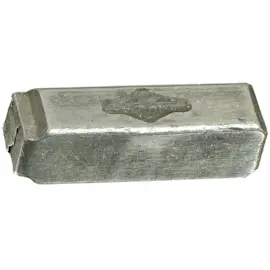
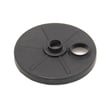
| Vibration, blade won’t stay tight | Blade adapter | Lawn mower blade adapter 532421176 |
| Self-propelled slipping | Drive belt | Belt 532157769 |
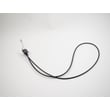
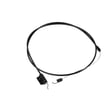
| Self-propelled not engaging | Drive control cable | Lawn mower drive control cable 532194653 |
Why it matters
Catching these issues early protects the engine and drive system. For example, the manual warns not to tamper with engine speed settings, and it also notes that debris in the drive wheel area can prevent the wheels from turning freely and cause loss of drive.
Last updated: February 2026
What kind of gas do you put in a Craftsman push mower?
For the Craftsman 917376656 gas walk-behind mower, we use unleaded regular gasoline. This model’s manual lists a 1.6-quart fuel capacity and specifies unleaded regular as the correct fuel type; avoid high-ethanol fuels that are not intended for small engines (such as E85).
What to use (and what to avoid)
- Use fresh unleaded regular gasoline.
- Use fuel from a clean, approved gas can.
- Avoid E85 (85% ethanol) and other high-ethanol blends.
- Avoid old gas (stale fuel is a common no-start cause).
- Do not mix oil into the gas (this is a 4-cycle mower engine setup).
Quick fuel checklist for model 917376656
| Item | What we recommend | Notes |
|---|---|---|
| Fuel type | Unleaded regular | Best match to the manual spec |
| Tank capacity | 1.6 quarts | Do not overfill |
| Storage | Use stabilizer for storage | Helps prevent varnish and hard starting |
Why it matters
Using the correct gasoline helps your mower start easier, run smoother, and reduces carburetor and fuel-system problems caused by stale fuel or excessive ethanol.
Helpful related guidance
- For fuel handling and storage steps specific to your mower, follow the owner's manual.
- If you suspect bad fuel is causing a no-start, our how to keep lawn mower gas from going bad guide walks through practical storage habits.
Last updated: February 2026
What riding mower has the least problems?
This page is for the Craftsman 917376656 gas walk-behind mower, not a riding mower. For the fewest problems in any mower category, we focus on simple, proven designs and maintenance that prevents the most common failures (belt wear, vibration, and drive debris). Use your 917376656 owner's manual to keep your walk-behind running reliably.
What to look for in a low-problem riding mower
If you are shopping for a riding mower (lawn tractor or zero-turn), these features reduce breakdowns:
- Engine with strong parts support and easy access to filters and spark plug
- Hydrostatic drive that matches your yard size (avoid undersized, light-duty drives)
- Sturdy deck construction with serviceable spindles and accessible idlers
- Simple belt routing with good belt guards (less debris damage)
- Comfortable controls that encourage correct operation (less abuse, fewer failures)
What “least problems” usually means in real use
Most “problems” come from overload, vibration, and buildup. The same prevention steps in the Craftsman 917376656 manual apply broadly:
- Do not mow wet grass; it increases clumping and drive load
- Stop and inspect immediately if you feel abnormal vibration
- Keep the underside of the deck clean to prevent drag and poor cut
- Keep drive wheel areas clear so wheels turn freely
- Replace worn wear-items early (blade, belt, cables) before they damage other parts
Quick comparison: riding mower types
| Type | Best fit | Most common avoidable issues |
|---|---|---|
| Lawn tractor | Mixed terrain, towing | Deck belt wear from debris, spindle wear from impacts |
| Zero-turn | Faster mowing on flatter yards | Belt and idler wear from buildup, tire traction issues on slopes |
Parts on this model that commonly affect reliability
On the Craftsman 917376656 walk-behind, these parts are frequent wear points when performance drops:
- Belt 532157769 (loss of drive or slowing drive speed)
- Lawn mower drive control cable 532194653 (drive engagement problems)
- Lawn mower 22-in deck mulching blade 532406713 (poor cut, vibration when damaged)
Why it matters
Choosing a mower that is not undersized for your yard, then preventing vibration and debris buildup, eliminates the majority of “least problems” complaints across both riding and walk-behind mowers.
Last updated: February 2026